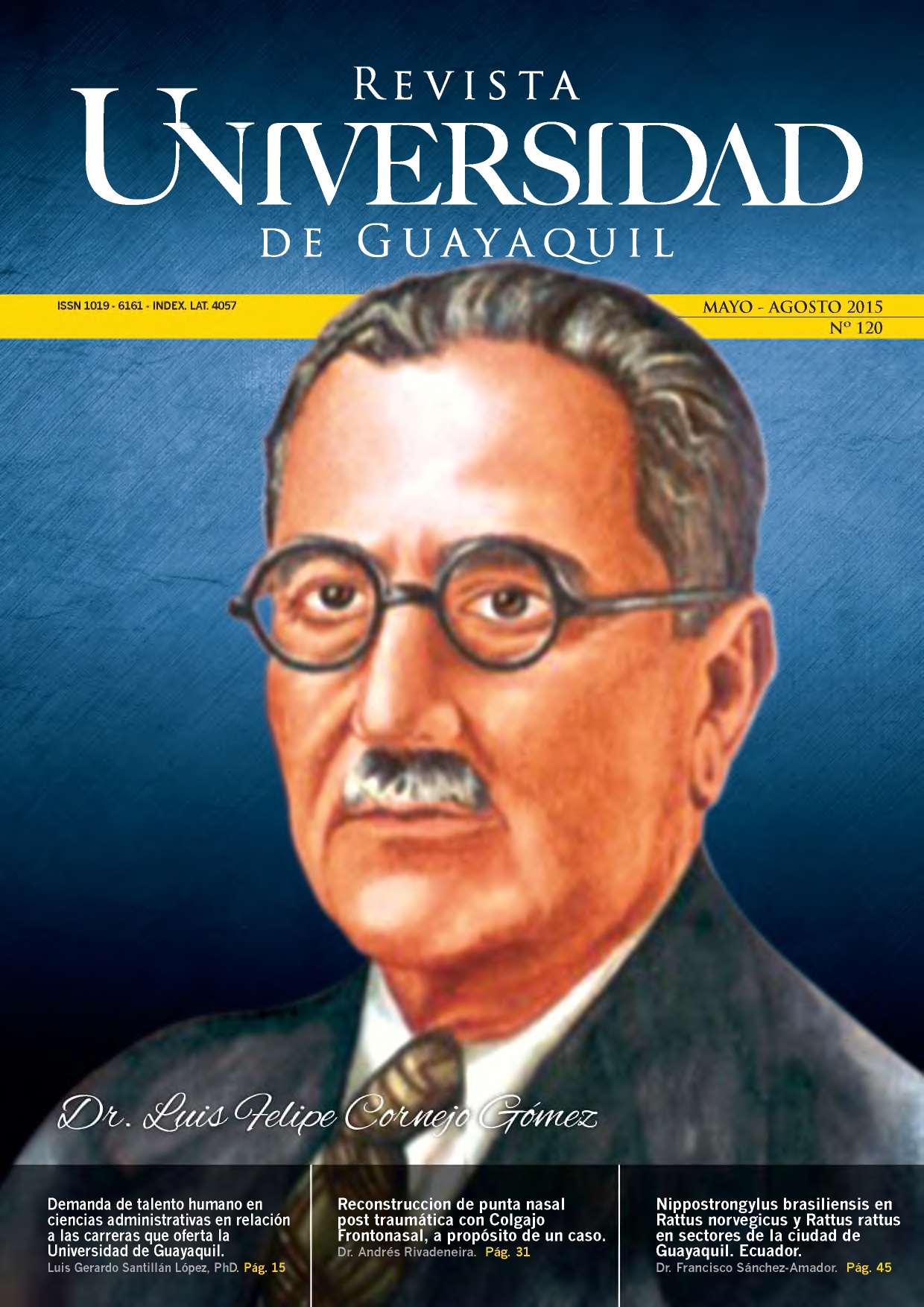
Wealth and Poverty ( Basics about their relationships )
DOI:
https://doi.org/10.53591/rug.v120i2.702Keywords:
Society, nature, do, have, being, wealth, poverty, growth,, limits, decreaseAbstract
Biology, for your organization, set the starting point of the relationship that society assumes and recreates, as their own, to generate their perseverance in reality. Converge in making outsiders to provide food and reproductive objects that form the immortality of life, natural and social bodies. Diverge regarding the possession of objects in nature, constitute a material source of accumulation and individual differentiation, as it is in society. No differences in the take, if any relation to the magnitude of what you have. In nature, no one has more than he needs. In society itself; the result: very few have more than you need and many have fewer. The concepts of wealth and poverty are incubated in this matrix. Quantitatively, rich, it is who has more; poor, who owns less. Qualitatively, rich, it is who has the means to live for others, poor, is who can not afford to live on their own. Therefore wealth refers to making the foreign bodies and poverty deliver the bodies to demand others to survive. Extinguish qualitatively eliminate poverty is wealth; quantitatively disappear poverty does not seem to demand the death of wealth. Social understanding is on the quantitative. And this, for its natural sense, means growth redistribute or add little to add to what little chance the latest development of production seems to start to discard. The reason is obvious: there is no sustainable expansion in a finite world. The output of this quagmire exists as quality of life of indigenous peoples exist apart from generating relationships of poverty and wealth, have less and not want more than what is needed. At the end nature prevails and societies must be like her, what are at bottom.
References
Downloads
Published
Issue
Section
License

This work is licensed under a Creative Commons Attribution-NonCommercial-NoDerivatives 4.0 International License.

This work is licensed under a Creative Commons Attribution-NonCommercial-NoDerivatives 4.0. International License.
You are free to:
- Share — copy and redistribute the material in any medium or format
- The licensor cannot revoke these freedoms as long as you follow the license terms.
Under the following terms:
- Attribution — You must give appropriate credit , provide a link to the license, and indicate if changes were made . You may do so in any reasonable manner, but not in any way that suggests the licensor endorses you or your use.
- NonCommercial — You may not use the material for commercial purposes .
- NoDerivatives — If you remix, transform, or build upon the material, you may not distribute the modified material.
- No additional restrictions — You may not apply legal terms or technological measures that legally restrict others from doing anything the license permits.