INTRODUCTION
The construction sector constitutes one of the fundamental pillars of the Ecuadorian economy, generating a significant impact on productive dynamics and on the generation of formal and informal employment. This economic importance is reflected in recent studies that evidence its role as a driver of multiple related industries, in addition to its capacity to absorb a large proportion of the labor force, including historically vulnerable sectors in labor terms (Candelario et al., 2024; Granda et al., 2023). Nevertheless, structural characteristics persist, such as high staff turnover, contractual temporariness, and the absence of full labor guarantees, which call into question the social sustainability of this growth (Narváez et al., 2025; Rocha & Ramos, 2021).
In this context, the fair remuneration received by workers acquires a central role in the analysis of their socioeconomic well-being. From a colloquial perspective, this concept refers to the capacity of an income to cover the basic needs of a person and their family, allowing them a decent life and access to fundamental rights such as health, education, and housing (Gaspar et al., 2021). However, various analyses agree that workers in this sector often face low wages, lack of payment for overtime hours, and absence of social benefits, demonstrating a disconnect between the sector's macroeconomic growth and the labor conditions of its workforce (Gómez, 2021; Castillo, 2022).
The analysis of labor conditions requires understanding the distinction between fair remuneration in a broad sense and the legal benefit of the "living wage" defined in Ecuadorian regulations. The former relates to the universal principle of social justice in work, while the latter constitutes a right enshrined in the Constitution of the Republic of Ecuador (CRE) and the Labor Code (CT). Article 328 of the CRE (2008) establishes that the State must guarantee fair remuneration that covers at least the basic needs of the worker and their family. For its part, Article 81 of the CT (2005) indicates that salaries and wages must be established respecting legal minimums and progressively revised until reaching the living wage. This legal framework is complemented by the international recognition of fair remuneration as an essential element of labor rights (Segarra & Murillo, 2021; Rosales & Llanos, 2021).
Despite the existence of a legal framework that supports the right to fair remuneration, significant gaps persist in the Ecuadorian construction sector between what is legally stipulated and the labor reality of many workers. The lack of compliance with the living wage benefit and the absence of sufficient remuneration to cover basic needs evidence a structural problem. This situation is aggravated by factors such as labor informality, subcontracting, and business practices that prioritize cost reduction over the well-being of the workforce. Such conditions affect workers' quality of life, in addition to generating impacts on the sector's productivity and sustainability.
The main objective of this study is to analyze compliance with the living wage in Ecuador's construction sector, considering current labor conditions, the scope of institutional control mechanisms, and business practices that affect respect for this right. To this end, the study proposes, in the first instance, to identify the labor characteristics that predominate in the sector, particularly those related to remuneration and social security. Subsequently, the effectiveness of the inspection instruments applied by the competent authorities will be evaluated, with the purpose of establishing their impact on the guarantee of labor rights. Finally, recommendations will be proposed aimed at strengthening compliance with the living wage, through a comprehensive approach that contemplates legal, economic, and social dimensions, with a view to promoting a substantial improvement in the quality of life of workers in this strategic sector for the national economy.
From the legal sphere, the Constitution of the Republic of Ecuador (CRE, 2008) in Article 328 establishes the state obligation to guarantee fair remuneration and a living wage that covers the basic needs of the worker and their family. This is complemented by the Labor Code (CT, 2005), whose Article 81 provides for the progressive revision of salaries until reaching said benefit, reflecting a normative commitment to social justice and labor well-being. Furthermore, Segarra & Murillo (2021) highlight the importance of considering labor rights as a fundamental pillar to mitigate social inequalities, which reinforces the need to apply these principles in strategic sectors such as construction.
In the technical and operational sphere, the research is pertinent given that the construction sector represents a space where labor practices that violate rights have historically been identified, such as incomplete payment of overtime hours, absence of social security, and temporary contracts without due guarantees (Gaspar et al., 2021). Gómez (2021) warns that labor precariousness in this sector has intensified with phenomena such as informality and economic crises, generating adverse effects on workers' quality of life. Piedra & Quinde (2021) add that these conditions also directly affect the productivity and sustainability of companies, turning this problem into a multidimensional challenge for the country.
This research seeks to provide a comprehensive analysis of compliance with the living wage in the construction sector, making visible the gaps between current labor regulations and their effective application. This work aims to strengthen the academic debate and offer useful recommendations for the formulation of public policies and more responsible business practices, oriented toward improving labor conditions and guaranteeing fair remuneration. The results obtained will allow for the development of concrete proposals that directly address the identified deficiencies, thus establishing the basis for the detailed analysis to be addressed in the following sections.
General Objective
To analyze compliance with the living wage in Ecuador's construction sector through the evaluation of labor conditions, institutional control mechanisms, and business practices, in order to propose recommendations that contribute to guaranteeing fair remuneration and respect for labor rights.
Specific Objectives
- To identify the prevailing labor conditions in the Ecuadorian construction sector that affect compliance with the living wage.
- To examine the effectiveness of institutional control and inspection mechanisms in guaranteeing labor rights related to remuneration.
- To propose improvement strategies to strengthen compliance with the living wage in the sector, considering legal, economic, and social factors.
Conceptual and Regulatory Foundations of the Living Wage
The concept of the living wage has historically evolved from a perspective focused solely on economic subsistence toward a comprehensive vision encompassing social, cultural, and human well-being dimensions. According to Acosta-Feldman (2025), the living wage not only allows for covering basic needs such as food, housing, and health but also facilitates access to opportunities that promote full human development, such as continuing education and cultural participation. This definition contrasts with the legal minimum wage, which in many cases proves insufficient to guarantee adequate living standards (Voorend et al., 2018). Thus, an essential conceptual difference is established: while the minimum wage is a mandatory compliance figure, the living wage represents a higher threshold that ensures decent and equitable living conditions.
In the Ecuadorian context, the legal framework enshrines the right to a living wage as a pillar of social justice. The Constitution of the Republic of Ecuador (CRE, 2008), in Article 328, establishes that remuneration must be fair and sufficient to cover the basic needs of the worker and their family, in addition to guaranteeing its non-attachability except for child support payments. Complementarily, the Labor Code (CT, 2005) reinforces this guarantee through various provisions. For example, Article 81 provides for the progressive revision of salaries and wages until reaching the living wage. In turn, Articles 8, 9, and 10 address the concepts of individual contract, worker, and employer, outlining the labor relations under which this remuneration must be respected. Finally, Article 117 defines unified remuneration, establishing the criteria for the annual fixing of the unified basic salary as part of compliance with this right. This regulatory framework reflects a commitment to the protection of labor rights and the reduction of socioeconomic inequalities.
At the international level, the International Labour Organization (ILO, 2025) emphasizes that the fixing of living wages should consider not only the basic needs of workers and their families but also economic and productive factors, ensuring a balance between economic development and social justice. This organization recommends the application of methodologies based on empirical data and the strengthening of tripartite social dialogue as mechanisms to guarantee the sustainability of living wages. Along these lines, García (2020) points out that the implementation of living wages has positive multiplier effects on the local economy, by increasing workers' purchasing power and stimulating demand for goods and services.
Nevertheless, the materialization of the living wage faces significant challenges in its application. According to Burneo (2021), although the regulations provide a numerical value as a reference, this does not always reflect the totality of workers' needs, suggesting the need for more proactive business policies to guarantee adequate remuneration beyond legal minimums. Likewise, Alcívar & Romero (2025) evidence that the lack of effective inspection and labor informality are structural barriers to compliance with this right, especially in sectors with high social vulnerability.
Therefore, the conceptual and regulatory synthesis indicates that the living wage cannot be understood solely as a legal or economic instrument, but as a cross-cutting element that articulates human rights, social justice, and sustainable development. In Ecuador, the existence of a robust legal framework must be complemented with effective public policies and responsible business practices to ensure that the living wage is fully complied with, especially in sectors such as construction, where labor conditions are historically precarious.
Characterization of the Construction Sector in Ecuador
The construction sector represents a strategic axis within the Ecuadorian economy, since in addition to its contribution to the Gross Domestic Product (GDP), it has the capacity to generate employment and dynamize other associated industries. According to Carrasco (2022), this sector has proven to be particularly sensitive to national and international economic fluctuations, presenting expansion and contraction cycles that directly affect the labor stability of its workers. In recent years, crisis periods have caused significant falls in public and private investment, which in turn has led to a decrease in hiring and an increase in labor precariousness.
The sector's relevance transcends the economic sphere, as it is also configured as a social space where workers of different socioeconomic profiles converge. Astudillo (2021) highlights that construction is labor-intensive and shows high levels of labor mobility, generating constant staff turnover and the prevalence of temporary contracts. This dynamic, although inherent to the nature of construction projects, has direct repercussions on the quality of labor conditions, hindering access to benefits such as social security and employment stability.
The labor characteristics of the sector cannot be understood without addressing the problem of informality. Guaman & Quinche (2022) identify that a high percentage of construction workers work in informal conditions, without written contracts or affiliation to the social security system. This phenomenon is more pronounced in rural areas, where state regulation is weaker and business practices tend to be less rigorous. As a result, workers face a double vulnerability: the lack of formal labor rights and the absence of effective mechanisms to claim those that correspond to them.
The demographic composition of the construction workforce also reveals specific challenges. According to Mejía (2024), high levels of emotional exhaustion and symptoms of Burnout Syndrome have been documented among workers in this sector, associated with long working hours, unsafe conditions, and insufficient remuneration. This situation impacts both the mental and physical health of workers and the general productivity of companies. Ruiz (2024) adds that the social vulnerability of these workers worsens when factors such as gender, age, or ethnic self-identification interact with precarious employment conditions.
Furthermore, the link between construction and other economic sectors accentuates its strategic role. Ambuludi & Vallejo (2022) explain that real estate activity, closely linked to construction, has shown cyclical behaviors that correlatively affect employment stability and income generation in the industry. Crises in the real estate market, such as those recorded in 2016 and 2019, significantly reduced the demand for labor in construction, evidencing the sector's fragility in the face of external factors.
Finally, the sector's structural problems have been exacerbated by the lack of effective inspection mechanisms. Alcívar & Romero (2025) warn that, in both formal and informal settings, irregular practices persist, such as the use of civil contracts to evade employer responsibilities. This demonstrates that labor precariousness in construction is not exclusive to small employers or rural areas but is also reproduced in larger companies in cities.
The characterization of the construction sector in Ecuador, therefore, reveals a complex web of economic, social, and regulatory factors that directly affect the capacity to guarantee the living wage. This reality demands comprehensive policies and coordinated efforts to overcome the identified gaps and consolidate a more equitable and sustainable sector.
Labor Control and Inspection Mechanisms
Compliance with the living wage in the construction sector depends largely on the effectiveness of labor control and inspection mechanisms. In Ecuador, this responsibility falls primarily on the Ministry of Labor, which acts as the governing entity in the monitoring of labor rights, as well as in the implementation of public policies aimed at guaranteeing fair and equitable working conditions. According to Arias et al. (2022), the legal reforms promoted in the last decade have sought to strengthen these mechanisms, highlighting initiatives such as the "Red Socio Empleo" and the "Empleo Joven" program, designed to promote the formalization of work and reduce labor precariousness.
However, reality shows that the State's inspection capacity faces significant limitations. Báez (2022) points out that the expanded capture of public decisions during the health emergency weakened state action, generating spaces for the violation of labor rights in various sectors, including construction. This situation reveals the need to strengthen control instruments, especially in crisis contexts where regulatory flexibility tends to prioritize economic stability over labor guarantees.
Zambrano (2021) exposes that administrative decisions directly affected the applicability of labor rights, showing how the absence of effective control can lead to the systematic violation of constitutional rights, such as the right to work and social security. These deficiencies are particularly visible in the construction sector, characterized by high informality and business practices that often evade current regulations.
The International Labour Organization (2025) warns that achieving effective inspection requires strengthening social dialogue and labor institutions. This implies not only increasing the coverage of labor inspections but also ensuring that they are rigorous and accompanied by proportionate sanctions in cases of non-compliance. In line with this, Morales (2022) underlines the relevance of occupational risk prevention measures in construction as an integral part of inspection, since these not only protect workers' health but also foster safer and more productive work environments.
Nevertheless, the implementation of these strategies faces operational and budgetary challenges. Loayza (2022) evidences that contracting companies, in seeking to optimize resources, tend to relegate compliance with labor regulations to the background, especially in large-scale projects. This practice affects the effectiveness of state inspection, which requires more agile mechanisms adapted to the sector's particularities.
In this sense, the consolidation of control mechanisms should not be limited to punitive supervision but should incorporate preventive and collaborative approaches between the State, employers, and workers. Only in this way will it be possible to advance toward effective compliance with the living wage in the construction sector, reducing existing gaps and promoting a culture of respect for labor rights as the basis for sustainable economic development.
Factors Affecting Compliance with the Living Wage
Compliance with the living wage in the construction sector is conditioned by a series of economic, social, and business factors that interact in a complex manner in labor dynamics. Among them, informality occupies a central place. Guaman & Quinche (2022) identified that the probability of belonging to the informal sector increases with age, decreases with higher levels of education, and is affected by variables such as gender, geographic location, and ethnic self-identification. This situation not only limits workers' access to basic rights but also generates difficulties for the State to guarantee effective compliance with wage regulations.
At the business level, cost-reduction practices also affect respect for the living wage. Contero (2021) observed that in micro-enterprises in the construction sector, the absence of labor incentives and deficient managerial leadership negatively affect the stability and motivation of workers, impacting their productivity and the quality of works. This situation worsens in economic crisis contexts, where companies prioritize financial survival over full compliance with labor obligations.
From a macroeconomic perspective, Carrasco (2022) evidenced that the Ecuadorian economy has been subject to contraction and expansion cycles linked to internal and external factors, such as the fall in oil prices and the decrease in public investment. These phenomena directly impact the construction sector, reducing the demand for labor and making working conditions more precarious. Furthermore, according to Chafla & Salazar (2022), wage setting in Ecuador has been influenced more by political considerations than by technical criteria such as labor productivity or inflation, making it difficult to establish a coherent relationship between economic growth and the improvement of workers' incomes.
The COVID-19 pandemic intensified these problems. Saltos (2021) warns that the Humanitarian Support Law allowed for the reduction of working hours without effective regulation, which directly affected the economic stability of workers and compromised the principle of intangibility of their rights. This regulation, far from offering a structural solution, exposed the weaknesses of the labor protection framework in times of crisis.
On the other hand, social factors such as the vulnerability of certain demographic groups also affect compliance with the living wage. Ruiz (2024) highlights that women, persons with disabilities, and those residing in rural areas face greater obstacles to accessing formal jobs with fair remuneration. This inequality of access generates persistent gaps that require targeted public policies for their correction.
At the international level, Voorend et al. (2018) point out that informality and flexible labor relations are the main obstacles to closing the gap between prevailing wages and a living wage. In Ecuador, this problem is replicated in the construction sector, where the temporary nature of many projects and subcontracting make state control over labor conditions difficult.
The interaction of these factors evidences that guaranteeing the living wage does not depend solely on the existence of a solid legal framework but on the capacity to articulate economic, social, and business policies that address the structural causes of its non-compliance.
Comparative Analysis with Other Sectors and Countries
The comparative analysis allows for identifying practices and policies that have proven effective in other sectors and countries to guarantee compliance with the living wage, thus offering lessons applicable to the Ecuadorian context. In Latin America, experiences such as those of Uruguay and Costa Rica stand out for the implementation of comprehensive policies that combine fair wages with labor training programs and tax incentives for companies. According to Pérez (2021), these approaches have proven effective in reducing poverty and promoting employment formalization, showing significant reductions in inequality indices.
In the case of Ecuador, regional initiatives in provinces such as Pichincha and Guayas have sought to replicate these strategies through pilot programs oriented toward labor formalization and the payment of living wages. Ramírez (2022) points out that, although these efforts are still incipient, improvements in productivity and a reduction in inequalities have been observed in the areas of application. However, these advances contrast with the situation in the construction sector, where business practices and the weakness of inspection mechanisms continue to limit the positive impact of such policies.
At the global level, countries such as New Zealand have shown encouraging results. According to Martínez (2021), the adoption of a living wage has contributed to a 15% reduction in child poverty and improvements in workers' mental health, in addition to reducing labor turnover and increasing business productivity. These experiences evidence that the living wage is not only a labor right but also a driver of sustainable economic development.
In contrast, in Guatemala's agricultural sector, Voorend et al. (2018) found that prevailing wages were between 60% and 100% lower than an estimated living wage. This gap reflects not only the informality predominant in the sector but also the pressure exerted by international buyers to keep production costs low, which limits the possibilities for wage improvement. The situation bears similarities to the construction sector in Ecuador, where subcontracting chains and price competition affect companies' capacity to offer fair remuneration.
In the regulatory sphere, the International Labour Organization (2025) underlines the importance of tripartite social dialogue as a tool for fixing and adjusting living wages sustainably. This recommendation, although widely recognized, faces challenges in countries with fragile labor markets and high informality, as is the case of Ecuador.
The comparative analysis reveals that the effective implementation of a living wage requires not only a robust legal framework but also complementary policies that strengthen the productive capacities of companies and promote labor formalization. These elements are essential for the living wage to cease being a normative aspiration and become a tangible reality for workers in the construction sector in Ecuador.
MATERIALS AND METHODS
This research was developed under a documentary methodological approach with an indirect field approach, due to limitations in accessing primary data in construction sector companies. This approach allowed for articulating the analysis of secondary information from official and academic sources with the preparation of statistical tables that facilitated the interpretation of trends and characteristics of the phenomenon studied.
The research design was non-experimental and cross-sectional, as data corresponding to a specific period were analyzed without manipulating the study variables. Data were obtained mainly from the Statistical Registry of Employment in Social Security (REESS), prepared by the National Institute of Statistics and Censuses (INEC), and complemented with recent academic literature on labor conditions and wage policies in Ecuador.
For information processing and analysis, systematic literature review and comparative analysis of secondary data techniques were used. Likewise, statistical tables were constructed with the aim of synthesizing the most relevant data on average wage and wage mass in the construction sector, broken down by economic activities. These tables were prepared from REESS microdata and served as the basis for generating graphs that allowed for clearly visualizing the existing gaps in terms of remuneration and wage mass distribution.
The methodology employed also contemplated the interpretation of the results in relation to the specific objectives of the research. In this way, a comprehensive analysis was guaranteed that addressed both the legal and regulatory dimensions of the living wage and the economic and social factors that affect its compliance. This approach allowed for establishing a detailed diagnosis and formulating recommendations aimed at strengthening labor conditions in the construction sector.
RESULTS
The analysis of data extracted from the Statistical Registry of Employment in Social Security (REESS) allows for observing the evolution of labor indicators in Ecuador's construction sector over recent years. This analysis is supported by official data from the National Institute of Statistics and Censuses (INEC, 2025), which provide reliable information on wages, wage mass, and other key variables.
In general terms, the evolution of the average monthly wage in the construction sector shows an upward trend with significant variations associated with national and international economic factors. As observed in Figure 1, wages went from approximately 392 USD in January 2009 to 697 USD in March 2025, evidencing accumulated growth of over 77%. This trend reflects, in part, efforts to maintain economic stability after crisis periods such as the COVID-19 pandemic, which directly affected infrastructure investment (Miranda & Checa, 2020).
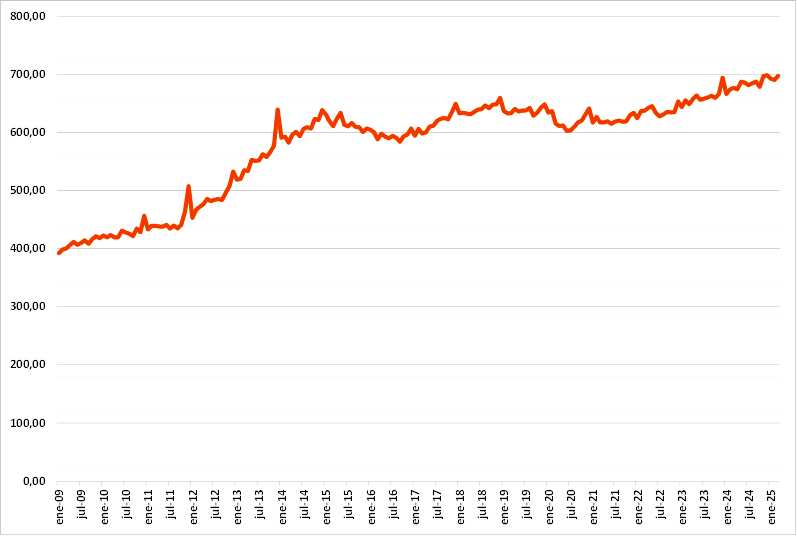
Figure 1. Evolution of the average wage in the construction sector (2009-2025). Statistical Registry of Employment in Social Security (REESS) - National Institute of Statistics and Censuses (INEC, 2025)
The total wage mass of the sector has followed a similar pattern, reaching in March 2025 an accumulated total of 11.841 billion dollars. Figure 2 shows this evolution, which responds to both the increase in individual wages and the increase in the number of registered workers. This behavior confirms the close relationship between the country's economic dynamics and the sector's capacity to generate employment and distribute income (Sánchez & García, 2024).
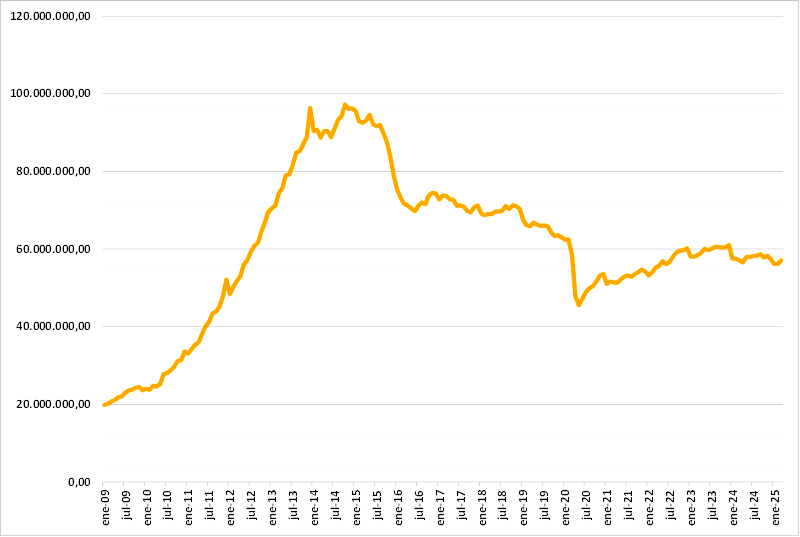
Figure 2. Evolution of wage mass in the construction sector (2009-2025). Statistical Registry of Employment in Social Security (REESS) - National Institute of Statistics and Censuses (INEC, 2025)
The breakdown by economic activities shows considerable differences in remuneration levels. According to March 2025 data, "Construction of other civil engineering works" registers the highest average wage with 180,582 USD, while "Building completion and finishing" stands as the activity with the lowest average remuneration, reaching 79,351 USD. Likewise, the greatest concentration of wage mass is observed in "Building construction" with more than 4.347 billion dollars (INEC, 2025).
Average wage and wage mass by economic activity in the sector
|
Economic Activity |
Average Wage (USD) |
Wage Mass (USD) |
|
Building construction. |
96,400.19 |
4,347,253,477.63 |
|
Construction of roads and railways. |
140,553.60 |
3,295,160,649.38 |
|
Construction of utility projects. |
130,789.77 |
1,688,580,157.10 |
|
Construction of other civil engineering works. |
180,582.00 |
489,702,788.95 |
|
Demolition. |
82,662.49 |
1,488,539.06 |
|
Site preparation. |
114,237.36 |
73,036,420.48 |
|
Electrical installations. |
99,436.39 |
908,149,233.56 |
|
Plumbing, heating and air-conditioning installation. |
88,942.48 |
266,455,753.01 |
|
Other installations for construction works. |
116,516.00 |
163,606,351.00 |
|
Building completion and finishing. |
79,351.71 |
294,507,247.88 |
|
Other specialized construction activities. |
106,510.24 |
313,599,608.69 |
|
TOTAL |
1,235,982.24 |
11,841,540,226.74 |
Note: Statistical Registry of Employment in Social Security (REESS) - National Institute of Statistics and Censuses (INEC, 2025)
The graphical visualization of this information in Figures 3 and 4 allows for evidencing the disparities between the different branches of construction. These differences reflect the influence of factors such as the technical specialization required and the scale of projects on wage levels (Zamora & Arteaga, 2023).
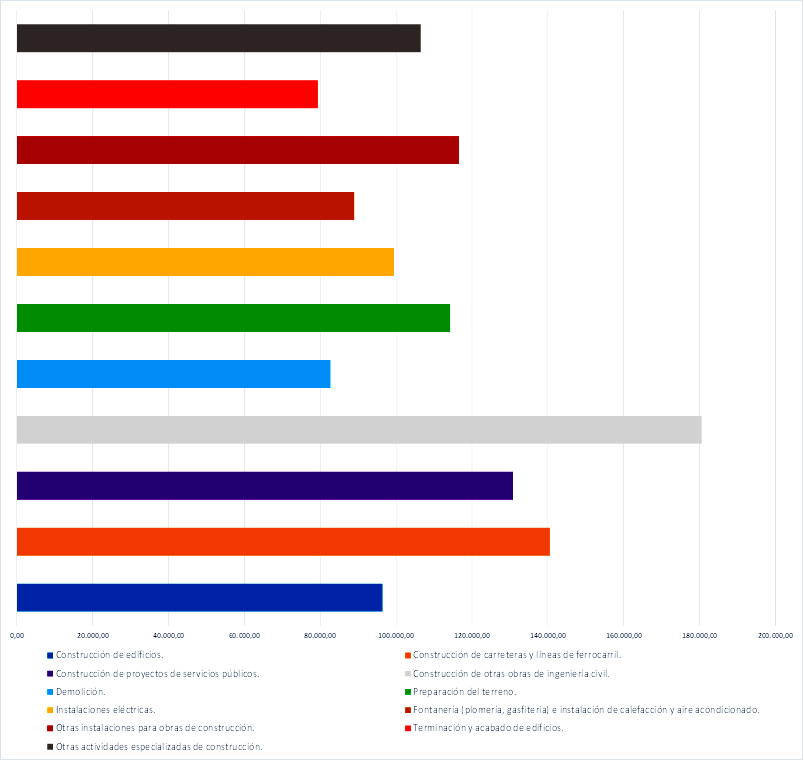
Figure 3. Average wage by economic activity (March 2025). Statistical Registry of Employment in Social Security (REESS) - National Institute of Statistics and Censuses (INEC, 2025)
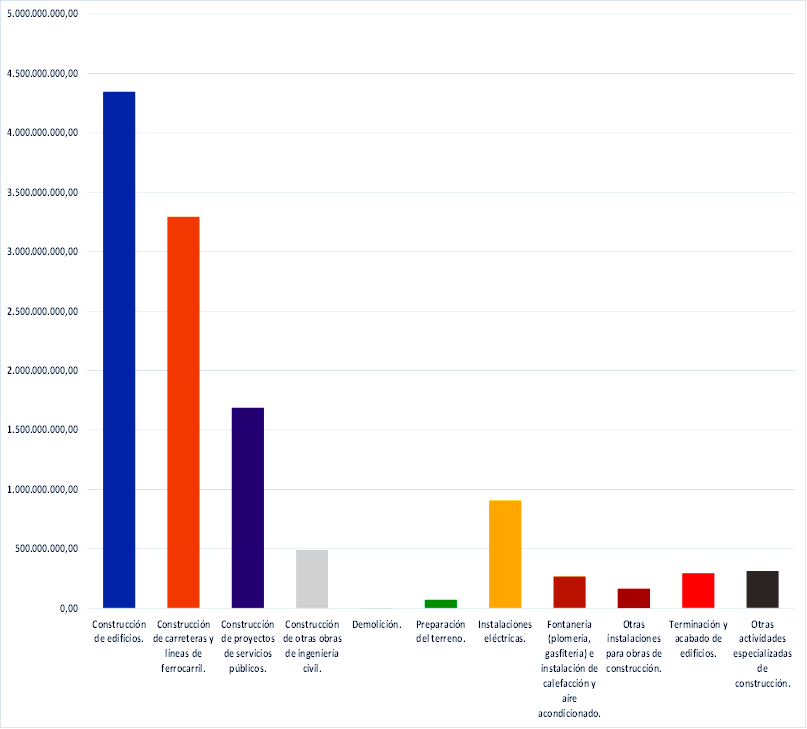
Figure 4. Wage mass by economic activity (March 2025). Statistical Registry of Employment in Social Security (REESS) - National Institute of Statistics and Censuses (INEC, 2025)
At the qualitative level, Garzón et al. (2023) highlight that working life quality conditions in the construction sector are limited by the precariousness of labor relations and the low coverage of social security, a situation that directly impacts the perception of the living wage. These findings complement the approaches of Miranda & Checa (2020), who highlight the need for comprehensive public policies to strengthen the post-pandemic sector.
Finally, a comparative analysis is presented between the average wage and wage mass both in their temporal evolution and in their distribution by economic activities. This block complements the description of the indicators already presented, allowing for a more comprehensive visualization of the relationship between both variables.
In Figure 5, the joint evolution of the average wage and wage mass in the construction sector during the 2009-2025 period is observed. This graph reveals a positive correlation over time, although with differences in growth rates. While the wage mass shows more pronounced increases in certain periods, the average wage experiences phases of stagnation that reflect limitations in the redistribution of income generated in the sector.
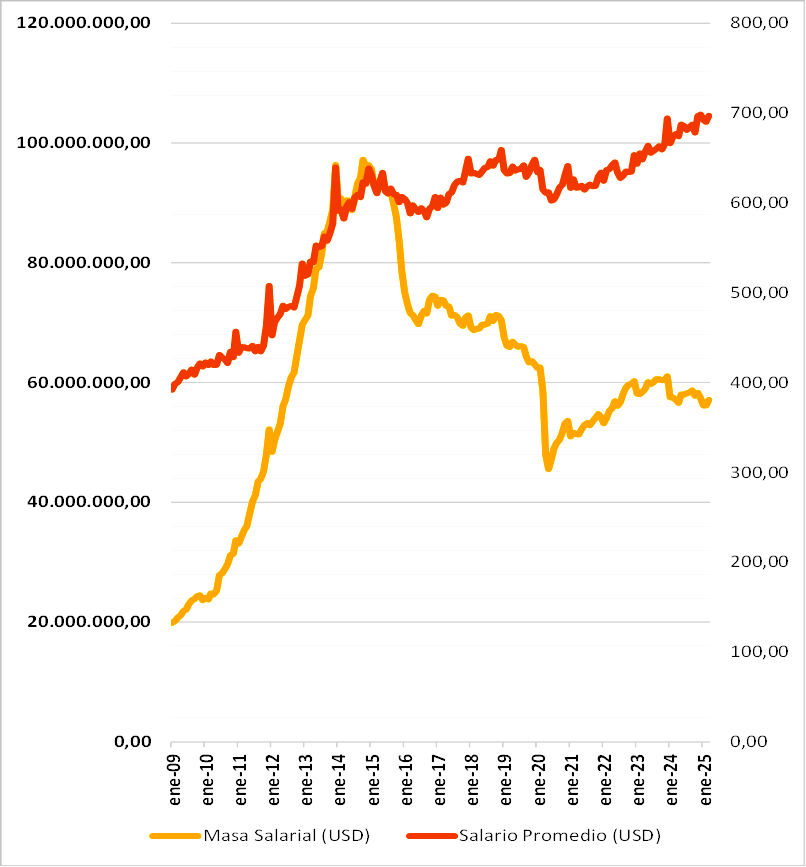
Figure 5. Comparison of the evolution of average wage and wage mass in the construction sector (2009-2025). Statistical Registry of Employment in Social Security (REESS) - National Institute of Statistics and Censuses (INEC, 2025)
On the other hand, Figure 6 compares the average wage and wage mass according to the different economic activities of the sector for March 2025. This representation shows that activities with greater wage mass volume do not necessarily present the highest average wages. For example, "Building construction" leads in total wage mass, but "Construction of other civil engineering works" registers the highest average wage, suggesting a concentration of workers in the former and greater specialization in the latter.
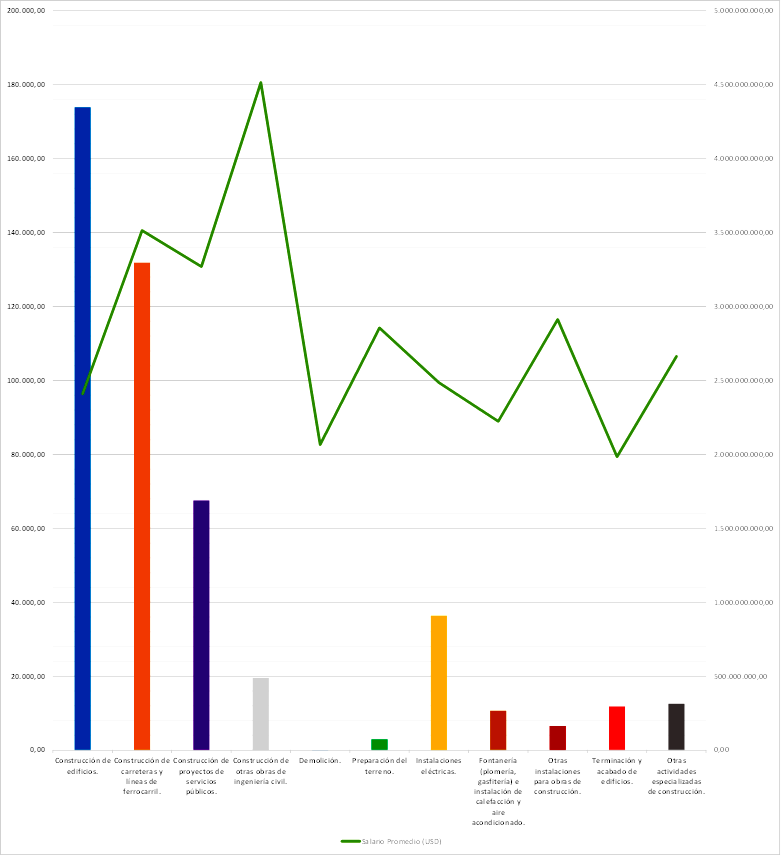
Figure 6. Comparison of average wage and wage mass by economic activities (March 2025). Statistical Registry of Employment in Social Security (REESS) - National Institute of Statistics and Censuses (INEC, 2025)
This joint analysis provides a more complete perspective on the internal dynamics of the sector, serving as a basis for the subsequent interpretation and discussion of its implications for compliance with the living wage.
DISCUSSION
The comparative analysis of the data reveals relevant patterns regarding the evolution of the average wage and wage mass in the construction sector, allowing for linking the results obtained with the structural and conjunctural conditions identified in the theoretical framework. Figure 6 shows how activities such as "Building construction" concentrate a large part of the total wage mass, while others such as "Construction of other civil engineering works" stand out for their high average wages, although with less participation in the general wage mass. This inequality evidences that the capacity to generate income in the sector is not distributed homogeneously, a phenomenon that Garzón et al. (2023) link to differences in the quality of working life observed between organizations of different sizes.
Likewise, the positive correlation between wage mass and average wage observed in Figure 5 supports the hypothesis that the sector's economic growth directly impacts remuneration levels. However, Zamora & Arteaga (2023) warn that this growth does not automatically guarantee compliance with the living wage, due to the persistence of factors such as inflation and business practices oriented toward cost reduction.
The current regulatory framework reinforces the importance of guaranteeing adequate labor conditions. In this sense, Ministerial Agreement MDT-2023-175 fixed the unified basic salary for 2024 at USD 460.00, seeking to ensure a minimum remuneration that allows covering the basic needs of the worker and their family (Ministry of Labor, 2023). Nevertheless, achieving the living wage requires exceeding said threshold. Ministerial Agreement MDT-2025-044 established for the year 2024 a living wage value of USD 498.90, evidencing the difference between what is legally considered sufficient and the current legal minimum wage (Ministry of Labor, 2025). This gap reflects the need for more effective public policies to reduce wage inequalities in sectors characterized by high informality and labor turnover, as pointed out by Miranda & Checa (2020).
The findings also show how public policies implemented in recent years have influenced wage dynamics. According to Miranda & Checa (2020), measures such as the Capital Gains Law and post-pandemic fiscal adjustments affected the capacity for investment in infrastructure, limiting the creation of formal jobs and the increase in wages in certain areas. This situation is reflected in the fluctuations of the trend lines, where periods of stagnation coincide with adverse economic contexts.
On the other hand, the analysis by economic activities shows that areas with greater technical specialization and large-scale projects tend to offer better wage conditions. This agrees with what was pointed out by Sánchez & García (2024), who identify that the industry tends to prioritize investment in strategic sectors, leaving behind less profitable activities in terms of remuneration.
Finally, the data reveal the need for differentiated policies that address the specificities of each sub-activity of the construction sector. As highlighted by Garzón et al. (2023), wage equity and quality of working life can only be achieved through a comprehensive approach that combines effective state regulation and socially responsible business practices.
CONCLUSION
The analysis carried out on compliance with the living wage in Ecuador's construction sector allows for establishing several relevant conclusions that respond to the objectives set forth in the research.
First, it was identified that labor conditions in the sector continue to be characterized by high levels of informality, temporariness, and staff turnover, which significantly limits workers' access to remuneration that covers their basic needs. This situation particularly affects vulnerable groups, such as women, young people, and rural workers, who face greater barriers to integrating into formal employment and receiving adequate income.
Second, labor control and inspection mechanisms implemented by the competent institutions present important operational and coverage weaknesses. Although policies and programs aimed at strengthening formal employment exist, their impact on guaranteeing the living wage has been limited, evidencing the need for a more rigorous and coordinated approach among the actors involved.
Furthermore, it was evidenced that economic factors such as public investment in infrastructure, fiscal policies, and the dynamics of the sector's Gross Domestic Product have a direct incidence on the evolution of the average wage and wage mass. However, these increases are not always reflected in a proportional improvement in workers' living conditions, due to business practices oriented toward reducing labor costs.
Finally, the comparative analysis with experiences from other countries demonstrates that the effective implementation of the living wage requires not only a robust legal framework but also complementary policies that promote labor formalization, workforce training, and the strengthening of inspection mechanisms. These elements are essential to transform the living wage into a tangible reality for workers in the construction sector in Ecuador.
REFERENCES
Acosta-Feldman Jaramillo, D. P. (2025). El impacto del salario digno en la calidad de vida del trabajador – Un análisis jurídico y económico. Revista O Universo Observável, 2(1), 2–6. https://doi.org/10.69720/2966-0599.2025.00031
Acuerdo Ministerial MDT-2023-175 de 2023 [Ministerio del Trabajo]. Fijación del salario básico unificado del trabajador en general para el año 2024. 15 de diciembre de 2023. Ministerio del Trabajo.
Acuerdo Ministerial MDT-2025-044 de 2025 [Ministerio del Trabajo]. Determinación del valor del salario digno para el año 2024 y regulación del procedimiento para el pago de la compensación económica. 21 de marzo de 2025. Ministerio del Trabajo.
Alcívar-Rodríguez, E. M., & Romero-Morán, A. M. (2025). La Precarización Laboral en el Comercio Formal e Informal . MQRInvestigar, 9(3), e768. https://doi.org/10.56048/MQR20225.9.3.2025.e768
Ambuludi Patiño, K. & Vallejo Peñafiel, E. (2022). Análisis espacial del sector inmobiliario de la provincia de Pichincha en el periodo 2015 - 2019. Quito: UCE. Disponible en: http://www.dspace.uce.edu.ec/handle/25000/26720
Arias, K, Torres-Olmedo, J. & Carrillo-Maldonad, P. (2022). Evaluación de las reformas que impulsan el empleo formal. Disponible en: http://www.dspace.uce.edu.ec/handle/25000/25877
Astudillo Jiménez, A. (2021). Las remuneraciones del sector construcción en el corto y mediano plazo: caso chileno. Boletín De Coyuntura, (31), 14–25. https://doi.org/10.31243/bcoyu.31.2021.1461
Báez Valencia, J. (2022). La pandemia neoliberal: captura ampliada, ajustes, deuda externa y precarización laboral en Ecuador 2018-2020. Disponible en: http://www.dspace.uce.edu.ec/handle/25000/27709
Burneo Carrera, J. A. (2021). Sociedades mercantiles en Beneficio e Interés Colectivo: el capital laboral y el salario digno. Iuris Dictio, (28), 41-54. https://doi.org/10.18272/iu.v28i28.2197
Burneo, J. A. (2021). Sociedades mercantiles en Beneficio e Interés Colectivo: el capital laboral y el salario digno. Iuris Dictio, 28(28), 14. https://doi.org/10.18272/iu.v28i28.2337
Candelario Pin, A., Ordóñez Arévalo, E. & Vera Santistevan, V. (2024). El sector de la construcción. https://doi.org/10.17163/abyaups.71.528
Carrasco Pérez, D. (2022). El comportamiento del PIB antes y después de la crisis económica 2014 – 2015, variación por industrias (manufacturera y construcción). Quito: UCE. Disponible en: http://www.dspace.uce.edu.ec/handle/25000/28437
Castillo Cantillo, R. M. . (2022). El interés público: aspecto intrínseco de la contaduría pública y la remuneración del profesional contable. Revista de Jóvenes Investigadores AD Valorem, 5(2), 149–166. https://doi.org/10.32997/RJIA-vol.5-num.2-2022-4401
Chafla Llalao, R. F., & Salazar Cabezas, B. C. (2022). Análisis del incremento del salario mínimo y su relación con la productividad laboral, inflación, desempleo para América del Sur en el periodo 2010 - 2020. Repositorio UCSG. http://repositorio.ucsg.edu.ec/handle/3317/19496
Código del Trabajo [CT]. Suplemento del Registro Oficial No. 167. 16 de Diciembre 2005 (Ecuador).
Constitución de la República del Ecuador [CRE]. 20 de Octubre 2008. (Ecuador).
Contero Mayacela, C. (2021). Modelo de gestión gerencial para mejorar la estabilidad y seguridad laboral de los trabajadores de la microempresa Contero Construye, de la ciudad de Riobamba, provincia de Chimborazo período 2021. Quito: UCE. Disponible en: http://www.dspace.uce.edu.ec/handle/25000/29724
Garzón Garzón , E. K., Parra Rodríguez , V., Castillo Cruz , D. M., & Camacho Camacho , H. . (2023). Análisis comparativo de las dimensiones de calidad de vida laboral en organizaciones de Colombia, América Latina y Europa. SIGNOS - Investigación En Sistemas De gestión, 15(2). https://doi.org/10.15332/24631140.8657
Gaspar-Santos, M. E., Cruz-Gálvez, K. J., Marín-Vilela, L. S., & Mendoza-Arce, K. Y. (2021). Vulneración al derecho a una justa remuneración a los trabajadores del sector privado en Ecuador. IUSTITIA SOCIALIS, 6(1), 717–722. https://doi.org/10.35381/racji.v6i1.1529
Gómez García, A. R. (2021). Seguridad y salud en el trabajo en Ecuador. Archivos De Prevención De Riesgos Laborales, 24(3), 232–239. https://doi.org/10.12961/aprl.2021.24.03.01
Granda Tola, C. F., Cobos Mora, S. L., & Vásquez Quiroz, P. T. (2023). Labor performance in hand excavations by means of linear regression. Case study: Cuenca city. Ciencia Digital, 7(3), 124-146. https://doi.org/10.33262/cienciadigital.v7i3.2629
Guaman Conlago, D. & Quinche Chagna, J. (2022). Factores sociodemográficos que influyen en la población empleada en el sector informal en el Ecuador en el año 2021, utilizando un modelo Probit. Universidad Central del Ecuador. Disponible en: https://www.dspace.uce.edu.ec/handle/25000/33635
Instituto Nacional de Estadística y Censos [INEC]. (2025). REESS – marzo 2025: Indicadores laborales_Empleo_03_2025 [Archivo Excel]. https://www.ecuadorencifras.gob.ec/reess-marzo-2025/
Loayza Yaguana, A. (2022). Rentabilidad del proyecto soterramiento Pérez Guerrero, mediante comparación de rendimientos de actividades de obra diurnas vs nocturnas de la compañía Pate C.A. en Quito, 2020. Quito : UCE. Disponible en: http://www.dspace.uce.edu.ec/handle/25000/28222
Mejía Rosero, J. (2024). Síndrome de Burnout y satisfacción laboral en trabajadores de la construcción de la ciudad de Tulcán. Universidad Central del Ecuador. Disponible en: https://www.dspace.uce.edu.ec/handle/25000/35569
Miranda López, R. H., & Checa Palacios, D. A. (2020). Análisis del desempeño económico y de los factores que inciden en el sector de la construcción en el Ecuador, retos y oportunidades post efecto Covid 19 [Tesis de licenciatura, Universidad Católica de Santiago de Guayaquil]. Repositorio UCSG. http://repositorio.ucsg.edu.ec/handle/3317/XXXXX
Morales Pabón, J. (2022). Medidas de prevención de riesgos laborales en el ámbito de la construcción. Quito : UCE. Disponible en: http://www.dspace.uce.edu.ec/handle/25000/28372
Narváez Carpio, C. P., Santistevan Villao, M. A. & Defás Rugel, D. E. (2025). Análisis de la rentabilidad mediante el modelo DuPont en grandes empresas del sector inmobiliario. https://doi.org/10.17163/abyaups.120.1034
Organización Internacional del Trabajo [OIT]. (2025). Promover el trabajo decente para todos: La importancia de las políticas salariales, incluidos los salarios vitales (ILO brief. Policy brief). OIT. https://doi.org/10.54394/UTFC7884
Piedra Vargas, B. P., & Quinde Alvear, Ángel G. (2021). Factores de desempeño en el rendimiento y calidad de la construcción civil del personal de obras públicas del Gobierno Autónomo Descentralizado Municipal de Pucará. ConcienciaDigital, 4(2.1), 21-34. https://doi.org/10.33262/concienciadigital.v4i2.1.1704
Rocha Lima, M. J. & Ramos, F. S. (2021). Encuestas sobre salario mínimo y remuneración docente: un estado del arte – 2008-2021. Revista Científica Multidisciplinar Núcleo do Conhecimento. Año. 06, Ed. 11, Vol. 08, págs. 100-133. https://www.nucleodoconhecimento.com.br/educacion-es/remuneracion-docente
Rosales-Córdova, A., & Llanos, L. F. (2021). Efecto de la inversión en capacitación en las ventas y sueldos de las PyMES. Investigación Administrativa, 50(127), 45-68.
Ruiz Alencastro, C. (2024). La vulnerabilidad social en el Ecuador: un análisis de factores asociados en el año 2022. Universidad Central del Ecuador. Disponible en: https://www.dspace.uce.edu.ec/handle/25000/35058
Saltos Castro, V. C. (2021). La vulneración de los derechos laborales en la ley humanitaria referente al salario digno e intangibilidad. Repositorio UCSG. http://repositorio.ucsg.edu.ec/handle/3317/17578
Sánchez-González, K. E., & García-Jiménez, H. (2024). Salario digno en la industria automotriz terminal en México: el caso de BMW en San Luis Potosí. Problemas Del Desarrollo. Revista Latinoamericana De Economía, 55(218), 63-87. https://doi.org/10.22201/iiec.20078951e.2024.218.70143
Segarra-Cobos, J. P., & Murillo-Párraga, D. Y. (2021). Desarrollo y gestión de riesgos del Sector Asegurador en el Ecuador. Revista Arbitrada Interdisciplinaria Koinonía, 6(12), 273–303. https://doi.org/10.35381/r.k.v6i12.1290
Voorend, K., Anker, R., & Anker, M. (2018). Informe sobre salario digno. https://www.researchgate.net/profile/Koen-Voorend/publication/335150244_Global_Living_Wage_Coalition_-_Informe_Final_Salario_Digno_Guatemala/links/5d534bdb92851c93b62e56e0/Global-Living-Wage-Coalition-Informe-Final-Salario-Digno-Guatemala.pdf
Zambrano Llerena, J. (2021). Vulneración al derecho constitucional del trabajo: microempresarios en la Estación del Tren de Alausí. Quito: UCE. Disponible en: http://www.dspace.uce.edu.ec/handle/25000/26010
Zamora Baque, J. J., & Arteaga García , M. E. . (2023). El impacto de la inflación y su repercusión en la canasta básica mediante el Índice de Precios de Consumo en Ecuador. ECA Sinergia, 14(3), 77–90. https://doi.org/10.33936/ecasinergia.v14i3.5741
CONFLICT OF INTEREST
The authors report no conflicts of interest.