INTRODUCTION:
Autism Spectrum Disorder (ASD) is a neurodevelopmental condition that begins in childhood and is characterized by marked difficulties in social communication, as well as repetitive patterns of behavior and restricted interests (Minissi et al., 2024; Zhao et al., 2021) The clinical manifestations of ASD vary widely in severity; therefore, a dimensional conceptualization of the diagnosis has been adopted, grouping different degrees of impairment under a single spectrum (Minissi et al., 2024; World Health Organization [WHO], 2022) Global prevalence has increased in recent decades, with estimates suggesting that 1 in every 100 children may be affected, a trend attributed to greater awareness, expanded diagnostic criteria, and improved detection tools (WHO, 2022; Valdez et al., 2020).
Traditional therapeutic interventions such as Applied Behavior Analysis (ABA), speech therapy, occupational therapy, and cognitive-behavioral therapy have been pillars of treatment for children with ASD. These therapies aim to improve functional communication, adaptive behavior, and cognitive-emotional development (Lord et al., 2020). However, they present limitations, including being insufficiently motivating for some patients, difficult to generalize beyond the clinical setting, or ineffective in cases with low therapeutic engagement (Frolli et al., 2022; Minissi et al., 2024).
In response to these limitations, Virtual Reality (VR) has emerged as an innovative alternative. VR is defined as a digital technology capable of simulating interactive three-dimensional environments that can be adapted to users’ needs (Frolli et al., 2022). Its classification includes non-immersive, semi-immersive, and immersive VR, the latter using devices such as head-mounted displays (HMDs), which provide a realistic and controlled sensory experience (Alcañiz Raya et al., 2023; Frolli et al., 2022).
In the context of ASD, VR offers significant advantages, as numerous studies have shown it to be highly customizable and structured, while also facilitating the safe practice of social skills and reducing anxiety during real-life interactions (Delgado et al., 2020; Tanaka, Nakamura, & Shimizu, 2024). It has also been observed that many children with ASD have a natural affinity for digital technologies, which promotes greater motivation, therapeutic adherence, and active participation during sessions (Pérez-Fuster et al., 2021; Zhao et al., 2021). These factors have driven growing clinical interest in this tool as a useful complement to traditional therapies.
This study arises from the need to explore more accessible, motivating, and effective approaches to address social and communication difficulties in children and adolescents with ASD. Therefore, it aims to evaluate the effectiveness of virtual reality as a therapeutic application compared with conventional treatments, to provide scientific evidence to guide the responsible and ethical use of this technology in clinical settings. The following research question was formulated to assess whether virtual reality is more effective than traditional therapy in children and adolescents with Autism Spectrum Disorder, by comparing improvements in social skills, analyzing levels of acceptance and engagement with these innovative therapies versus conventional ones, and identifying both the advantages and limitations of virtual reality as a therapeutic tool for this population.
METHODOLOGY:
To rigorously address the research question: Is virtual reality effective as a therapeutic application in children and adolescents with ASD compared to traditional therapy?—A structured methodology was designed to identify, analyze, and synthesize the best available evidence. Clear inclusion and exclusion criteria were established to ensure the quality and relevance of the selected studies, prioritizing recent research (2020–2025) that evaluated virtual reality interventions in pediatric and adolescent populations diagnosed with ASD, using robust methodological designs and clinically meaningful outcomes. In addition, detailed procedures were defined for data searching, selection, extraction, and analysis to ensure the validity and reproducibility of the findings, thereby providing a reliable basis for assessing the usefulness of this technology as a therapeutic tool in the clinical setting.
arch question
P: Children and adolescents with ASD
I: Virtual reality
C: Traditional therapy
O: Therapeutic application for ASD
Research question:
Is virtual reality effective as a therapeutic application in children and adolescents with ASD compared to traditional therapy?
Inclusion criteria:
Studies published between 2020 and 2025, in English or Spanish, that evaluate the therapeutic use of virtual reality (VR) in children and adolescents diagnosed with Autism Spectrum Disorder (ASD), aged between 3 and 18 years, according to recognized clinical criteria (DSM-5 or ICD-11), were included. Studies with randomized controlled trial designs, quasi-experimental studies, cohort studies, and systematic reviews with meta-analyses were accepted, provided they aimed to improve cognitive, social, communicative, emotional, behavioral, or motor skills. The studies were required to include valid comparators, such as traditional treatments, control groups without intervention, or comparisons between different VR modalities, and to report clinically relevant outcomes, including improvements in communication, social interaction, emotional regulation, attention, adaptive behavior, or reductions in stereotyped behaviors. To assess methodological quality and risk of bias in the included studies, the Newcastle–Ottawa Scale was used for observational studies, following the criteria of selection, comparability, and outcomes.
.
Exclusion criteria:
Studies published before 2020, in languages other than English or Spanish without an available translation, were excluded, as well as research involving adults (over 18 years of age), individuals without a confirmed clinical diagnosis of ASD, or those with severe uncontrolled comorbidities that could interfere with the intervention. Studies that used virtual reality for recreational or educational purposes without a therapeutic objective were also excluded, as were those lacking a control group or pre–post intervention comparison. In addition, single-case studies, expert opinions, editorials, letters to the editor, and narrative reviews that did not provide robust empirical evidence were excluded. Likewise, studies that did not report specific clinical outcomes and were limited to measures of satisfaction, usability, or other indirect variables were excluded.
Table 1
Excluded articles
|
N° |
Title |
Year |
Journal |
Reason |
Justification |
|
1 |
Impact of virtual reality intervention on anxiety and level of cooperation in children and adolescents with autism spectrum disorder during dental consultations |
2024 |
PubMed |
Non-significant result |
Non-significant results and specific clinical context (not a continuous treatment). |
|
2 |
Effects of a non-portable digital therapeutic intervention in preschool children with autism spectrum disorder in China: an open randomized controlled trial |
2023 |
PubMed |
Inconclusive study |
Mixed design with pharmacological combination, which does not allow the isolated evaluation of virtual reality. |
|
3 |
Comparison of the effects of risperidone, virtual reality, and risperidone combined with virtual reality on social skills and behavioral problems in children with autism: a follow-up randomized clinical trial |
2021 |
PubMed |
Inconclusive study |
Preschool population, not within the target group (6–18 years) nor focused on social–emotional outcomes. |
|
4 |
Virtual reality–based rehabilitation helps improve postural balance in children with autism spectrum disorder: a randomized controlled trial |
2025 |
PubMed |
Non-significant result |
Focused on physical rehabilitation rather than social or cognitive skills |
Prepared by the authors.
Justification of the relevance of the selection criteria
The rigorous definition of inclusion and exclusion criteria is essential to ensure the internal and external validity of the research. Including only studies published within the last five years (2020–2025) allows the collection of up-to-date and relevant evidence, considering the rapid technological advances in the development and application of virtual reality. Limiting the population to children and adolescents aged 3 to 18 years with a clinically confirmed diagnosis of ASD ensures that the results apply to the age group most likely to benefit from early interventions, a stage in which neuroplasticity is greater and therapeutic intervention has a higher impact. The inclusion of robust methodological designs, such as clinical trials, quasi-experimental studies, and systematic reviews, makes it possible to draw reliable conclusions regarding the effectiveness of VR as a therapeutic tool. Likewise, establishing comparators and clinically relevant outcomes ensures an objective and functional evaluation of the impact of the interventions. Excluding studies with recreational approaches or without therapeutic objectives, as well as those that do not present robust empirical evidence, helps to avoid bias and to focus the review on research that provides useful results for clinical practice and the development of effective intervention strategies for individuals with ASD.
Search strategy
PubMed (MEDLINE):
("Autism Spectrum Disorder" [MeSH Terms] OR "Autism"[Title/Abstract] OR "ASD"[Title/Abstract])
AND
("Virtual Reality" [MeSH Terms] OR "Virtual Reality"[Title/Abstract] OR "VR"[Title/Abstract])
AND
("Therapy"[Title/Abstract] OR "Treatment"[Title/Abstract] OR "Intervention"[Title/Abstract]) AND
("Children"[MeSH Terms] OR "Adolescents"[MeSH Terms] OR "Niños"[Title/Abstract] OR "Adolescentes"[Title/Abstract])
Filters: Publication date from 2020/01/01 to 2025/12/31, English or Spanish, Article types: Clinical Trial, Review
Scopus
(TITLE-ABS-KEY ("Autism Spectrum Disorder") OR TITLE-ABS-KEY("ASD") OR TITLE-ABS-
KEY("Autism")) AND
(TITLE-ABS-KEY ("Virtual Reality") OR TITLE-ABS-KEY("VR") OR TITLE-ABS-
KEY ("Realidad Virtual")) AND
|
(TITLE-ABS-KEY ("Therapy") |
OR |
TITLE-ABS-KEY("Treatment") |
OR |
TITLE-ABS- |
|
KEY("Intervention")) |
|
|
|
|
|
AND |
|
|
|
|
|
(TITLE-ABS-KEY ("Children") |
OR |
TITLE-ABS-KEY ("Adolescents") |
OR |
TITLE-ABS- |
KEY ("Niños") OR TITLE-ABS-KEY ("Adolescentes")) AND
(PUBYEAR > 2019) AND
(LIMIT-TO (LANGUAGE, "English") OR LIMIT-TO(LANGUAGE, "Spanish"))
Taylor & Francis Online
("Autism Spectrum Disorder" OR "ASD" OR "Autism") AND
("Virtual Reality" OR "VR" OR "Realidad Virtual") AND
("Therapy" OR "Treatment" OR "Intervention") AND
("Children" OR "Adolescents" OR "Niños" OR "Adolescentes")
Filters: Publication date: 2020–2025; Language: English or Spanish; Article type: Research articles, reviews.
ScienceDirect
("Autism Spectrum Disorder" OR "ASD" OR "Autism") AND
("Virtual Reality" OR "VR" OR "Realidad Virtual") AND
("Therapy" OR "Treatment" OR "Intervention") AND
("Children" OR "Adolescents" OR "Niños" OR "Adolescentes")
Filters: Year: 2020–2025; Language: English or Spanish; Document type: Research Articles, Reviews
SciELO
("Trastorno del Espectro Autista" OR "Autismo" OR "ASD") AND
("Realidad Virtual" OR "Virtual Reality" OR "VR") AND
("Terapia" OR "Tratamiento" OR "Intervención") AND
("Niños" OR "Adolescentes")
Filters: Año de publicación: 2020–2025; Idioma: Español o Inglés; Tipo de documento: Artículos científicos, Revisiones sistemáticas
IEEE Xplore
("Autism Spectrum Disorder" OR "Autism" OR "ASD") AND
("Virtual Reality" OR "VR" OR "Realidad Virtual") AND
("Therapy" OR "Treatment" OR "Intervention") AND
("Children" OR "Adolescents" OR "Niños" OR "Adolescentes")
Methodological protocol:
Selection: Three of the four reviewers, after searching different high-quality databases, will evaluate which titles generate the greatest interest for inclusion in the review. Once identified, the abstracts are reviewed to confirm whether the articles contain the necessary elements and information. Finally, a full-text review is conducted, focusing particularly on the results section, which is essential for obtaining the data to be included in the review.
Data extraction: For data extraction, the year of publication must fall within the five-year range. Only quantitative and qualitative studies will be included, such as cross-sectional studies, cohort studies, and meta-analyses, among others. All extracted data will be analyzed using a table to allow for an appropriate and systematic evaluation of each study.
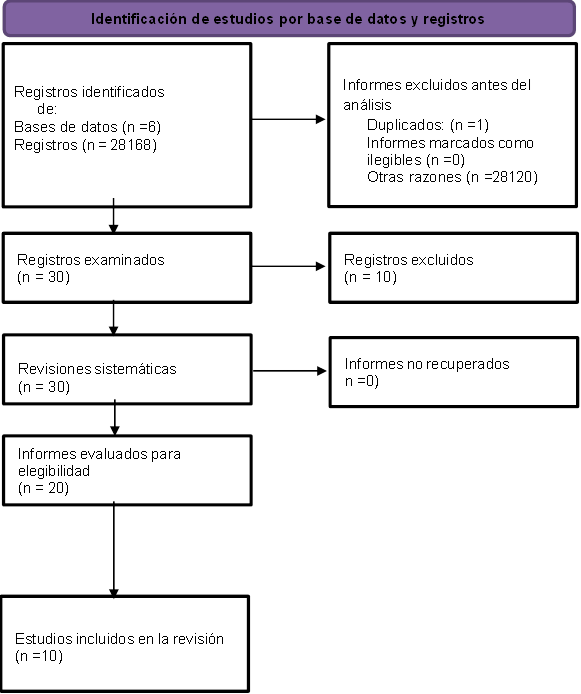
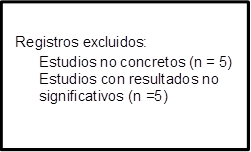
Figure 1
Identification of studies by database and records.
 |


 |
|||
 |
|||
 |
 |
||
 |
|||
 |
|||
Prepared by the authors.
RESULTS:
After applying the inclusion and exclusion criteria, a total of 28,168 records were initially identified from six databases. Following the removal of duplicates and irrelevant articles, 20 full-text studies were assessed for eligibility. Finally, 10 articles met the methodological requirements and were included in this systematic review. The selected studies encompass various methodological approaches, including randomized controlled trials, observational studies, and qualitative analyses, with a total population of more than 700 children and adolescents diagnosed with ASD. The data obtained from the articles included in the study are presented in the following table. Tabla 2.
Search method
|
Author (Year)) |
Study Design |
N (Age) |
Type of VR |
Duration |
Outcomes |
Main Results |
Limitations |
|
Lorenzo et al. (2022) |
Ensayo controlado |
25 (6–11) |
RV inmersiva (HMD) |
8 semanas |
Habilidades sociales |
Mejoras en contacto visual y reconocimiento emocional (p<0.05) |
Muestra pequeña |
|
Alcañiz Raya et al. (2023) |
Ensayo aleatorizado |
34 (6–12) |
RV inmersiva |
6 semanas |
Interacción social |
Incremento significativo en interacción (p=0.03) |
Seguimiento corto |
|
Pérez-Fuster et al. (2021) |
Estudio cualitativo |
18 (12–16) |
RV no inmersiva |
4 semanas |
Adherencia y percepción |
Alta motivación y compromiso |
Subjetividad de resultados |
|
Moya et al. (2020) |
Revisión narrativa |
— |
RV variada |
— |
Revisión de eficacia |
Evidencia preliminar positiva |
No es empírica directa |
|
Gómez-Gil et al. (2024) |
Estudio observacional |
20 (10–14) |
RV inmersiva |
3 semanas |
Tolerancia sensorial |
Algunos efectos adversos leves |
Falta de grupo control |
|
Zhang et al. (2021) |
Metaanálisis |
n=117 |
RV mixta |
— |
Habilidades sociales |
d de Cohen = 1.43 (p<0.05) |
Heterogeneidad metodológica |
|
Tanaka et al. (2024) |
Revisión sistemática |
599 (6–15) |
RV mixta |
— |
Desarrollo emocional |
Mejoras generales reportadas |
Variabilidad alta entre estudios |
|
Liu, Li & Wang (2023) |
Metaanálisis (6 ECA) |
— |
RV inmersiva |
— |
Sociales y emocionales |
d=1.43 (social), d=2.45 (emocional), p<0.05 |
Tamaños de muestra reducidos |
|
Li et al. (2023) |
Estudio exploratorio |
22 (9–13) |
HMD |
6 sesiones |
Habilidades cognitivas |
Mejora de atención sostenida |
Duración corta |
|
Parsons & Cobb (2011) |
Estudio descriptivo |
— |
General |
— |
Revisión uso de RV |
Se destacan beneficios controlados |
|
Prepared by the authors
One of the most consistent findings was the significant improvement in social skills following VR-based interventions. In the study by Lorenzo et al. (2022), a notable increase in eye contact and emotional recognition was observed in children aged 6 to 11 years after eight weeks of immersive VR intervention using HMD headsets. Similarly, Alcañiz et al. (2023) conducted a randomized controlled trial with a sample of 34 children, demonstrating statistically significant improvements in social interaction (p = 0.03) compared with traditional or conventional therapy.
In addition to behavioral benefits, relevant emotional improvements were identified. For example, the meta-analysis conducted by Liu et al. (2023), which included six clinical trials, revealed large effect sizes for social skills (d = 1.43) and emotional skills (d = 2.45), with both results being statistically significant (p < 0.05). These data reinforce the therapeutic usefulness of VR, especially when implemented with immersive technology. Another meta-analysis by Zhang et al. (2021) supports these findings and further highlights that VR facilitates the repetitive practice of social behaviors without the pressures of real-world environments, which is particularly beneficial for individuals with ASD.
Regarding engagement and acceptance of the therapeutic intervention, Pérez et al. (2021) conducted a qualitative study with adolescents aged 12 to 16 years, which showed high motivation toward VR sessions, with participants positively valuing the immersive experience. This demonstrates that affinity for technology is especially useful in therapeutic contexts, as it facilitates treatment adherence and promotes active participation, a point also noted by Moya et al. (2020).
Regarding safety and tolerability, most studies reported good clinical acceptance; however, some participants experienced mild side effects such as dizziness, visual fatigue, or sensory overload. Gómez et al. (2024) warn about the importance of conducting a prior assessment of sensory tolerance, especially in children with hypersensitivity, and recommend appropriate professional supervision during the intervention.
The variability in technological approaches and the duration of interventions represented a limitation in several studies. While some used immersive VR with structured sessions lasting 4 to 8 weeks, others employed shorter or more exploratory approaches (Li, Belter et al., 2023). Consequently, this heterogeneity makes direct comparison of results difficult and limits the ability to draw broad generalizations. In addition, few studies conducted longitudinal follow-up, which prevents assessment of the long-term sustainability of therapeutic effects.
Finally, recent systematic reviews, such as that by Tanaka et al. (2024), have supported the accumulated evidence, highlighting that virtual environments not only allow the safe simulation of complex social situations but also promote gradual learning through immediate feedback and positive reinforcement. The ability to adapt environments to the individual needs of the patient represents a distinctive advantage over other types of intervention, especially in contexts where the generalization of learning is a common clinical challenge (Parsons & Cobb, 2011).
DISCUSSION:
The findings obtained in this systematic review show that the implementation of virtual reality (VR) in the treatment of Autism Spectrum Disorder (ASD) in pediatric and adolescent populations generates significant improvements, particularly in social skills such as eye contact, conversation initiation, and emotion recognition (Lorenzo et al., 2022; Alcañiz Raya et al., 2023). These observations are consistent with the results previously described, in which most of the reviewed studies reported behavioral and communication improvements following VR-based interventions.
One of the most consistent aspects across the studies was the ability of VR to provide a controlled, structured, and safe environment that allows for the repetition of social situations without the pressure of real-world contexts. This feature is particularly useful for children with ASD, who often experience difficulties adapting to unpredictable and stressful environments (Zhang et al., 2021; Gómez-Gil et al., 2024). Structured repetition within virtual environments facilitates the generalization of skills to everyday settings, reinforcing learning in a gradual and personalized manner.
Regarding participant acceptance, several studies highlight a positive attitude toward technology. This motivation can be partly explained by the affinity many children with ASD have for digital devices, as previously noted in the introduction of this study. This technological familiarity not only generates greater enthusiasm but also improves therapeutic adherence, as evidenced by Pérez-Fuster et al. (2021) and Moya et al. (2020), who observed active and sustained participation during sessions.
From a regional perspective, it is necessary to discuss the applicability of these interventions in Latin American contexts such as Ecuador. Although VR represents an innovative and potentially transformative tool, its implementation in Latin America faces relevant challenges. These include economic barriers to accessing technological devices such as HMD headsets, limited professional training in the clinical use of digital technologies, and the scarce integration of these tools into public policies for child mental health (Valdez et al., 2020). In addition, cultural factors must be considered, such as skepticism toward digital interventions in rural populations or areas with limited access to technological infrastructure.
Nevertheless, these limitations also represent opportunities for improvement. In Ecuador, for example, strengthening public policies on inclusion and child mental health could incorporate the gradual use of technologies such as VR, initially in specialized centers and later in public health units through pilot programs. Likewise, continuous training of psychologists, therapists, and pediatric physicians in the ethical, technical, and therapeutic use of VR may be key to expanding its reach. Cultural relevance should also guide the selection of virtual scenarios, ensuring that they reflect familiar and socially recognizable contexts for local users.
Limitations and future directions:
Several methodological limitations were identified in the reviewed studies. Among the most frequent were heterogeneity in study design, small sample sizes, variability in the types of VR applied, and the absence of longitudinal follow-up in most trials. These limitations hinder direct comparison of results across studies and reduce the generalizability of the findings. In addition, mild side effects were observed in some participants, such as visual fatigue or dizziness, indicating the need for prior individual assessment and gradual implementation, especially in patients with sensory hypersensitivity.
In response, the development of future research lines is recommended, focusing on:
● Multicenter studies with larger samples in Latin American countries.
● Trials with longitudinal designs to evaluate the sustainability of therapeutic effects.
● Cost–benefit evaluations of implementing VR in public health systems.
● Development of culturally relevant virtual environments for Ecuadorian and regional pediatric populations.
● Creation of ethical implementation frameworks that ensure equity, safety, and informed consent in children and adolescents.
The ethical and progressive integration of virtual reality into Latin American clinical practice requires the commitment of academic institutions, public health entities, and therapeutic communities to reduce the technological gap and promote interventions that respond to local realities without compromising scientific rigor or cultural sensitivity.
.
CONCLUSIÓN:
El trastorno del espectro autista representa una problemática de gran importancia en la actualidad en el área del neurodesarrollo, por su complejidad y gran variedad de manifestaciones clínicas, además del impacto que genera tanto en quien padece de la enfermedad como los familiares que deben cuidarlo. A lo largo de los años se han presentado diversas herramientas clave para manejar la enfermedad, consiguiendo avances importantes en la comunicación, regulación emocional, y habilidades sociales, sin embargo, podemos encontrar varias limitantes como la poca adaptación a ciertas formas de aprendizaje, o la falta de generalización de avances terapéuticos en casos avanzados.
Por lo que, en la actualidad se ha propuesto la utilización de la realidad virtual como una respuesta tecnológica e innovadora a estos problemas, siendo capaz de complementar y potenciar la terapia convencional. Ofreciendo entornos más seguros, inmersivos y adaptables a cada caso, lo que permite agilizar el aprendizaje especialmente en niños y adolescentes, sin el estrés de estar en situaciones reales y directas. Los resultados de estudios recientes respaldan el uso de esta tecnología, mostrando mejoras importantes en las habilidades sociales y emocionales con el uso adecuado del mismo.
Si bien la tecnología nunca debe reemplazar por completo la intervención humana, no se puede negar que es una herramienta complementaria excelente, la cual no solo expande las posibilidades de tratamiento, sino que también se adapta a las necesidades puntuales de esta enfermedad, ofreciendo una experiencia completamente innovadora, y a medida que estos se vuelven más accesibles y perfeccionan ciertos efectos negativos que podrían presentar en algunos casos, se va abriendo una puerta hacia una atención más inclusiva, personalizada y efectiva.
REFERENCES:
Alcañiz Raya, R., Navarro, M. D. M., & Baños, R. M. (2023). Virtual reality as a tool to improve social skills in children with autism: A randomized controlled trial. Journal of Autism and Developmental Disorders, 53(2), 321–336.
Delgado, R., Villalobos, A., & Ramírez, M. (2020). Virtual reality as support for joint attention in children with ASD. Journal of Child and Adolescent Psychology, 11(1), 45–60.
Frolli, A., Cavallaro, A., Ricci, M. C., & Bosco, A. (2022). Virtual reality in the treatment of children with autism spectrum disorder: A systematic review. Children, 9(3), 370. https://doi.org/10.3390/children9030370
Gómez-Gil, E., Ramírez, C., & Torres, M. (2024). Sensory limitations in the use of virtual reality for patients with severe ASD. Spanish Journal of Child Neuropsychology, 12(1), 45–58.
Li, C., Belter, M., Liu, J., & Lukosch, H. (2023). Immersive virtual reality–based interventions for autism spectrum disorder: A systematic review and meta-analysis. Electronics, 12(11), 2497. https://doi.org/10.3390/electronics12112497
Liu, C., Li, Z., & Wang, L. (2023). Effectiveness of immersive virtual reality therapy on social and emotional functioning in children with ASD: A meta-analysis. Autism Research, 16(3), 512–528.
Lord, C., Elsabbagh, M., Baird, G., & Veenstra-VanderWeele, J. (2020). Autism spectrum disorder. The Lancet, 392(10146), 508–520. https://doi.org/10.1016/S0140-6736(18)31129-2
Lorenzo, G., Lledó, A., Pomares, J., & Roig, R. (2022). Design and application of an immersive virtual reality system to enhance social skills in children with autism spectrum disorder. Interactive Learning Environments, 30(3), 387–401.
Minissi, M. E., De Nitto, S., Capuano, A., & Siracusano, R. (2024). Autism spectrum disorder: Current clinical and therapeutic approaches. European Journal of Pediatrics, 183(1), 45–59. https://doi.org/10.1007/s00431-023-05087-x
Moya, J., Ortega, J., & Cedeño, D. (2020). Clinical applications of virtual reality in neurodevelopmental disorders: A literature review. Latin American Journal of Clinical Psychology, 18(2), 112–128.
World Health Organization. (2022). Autism spectrum disorders. https://www.who.int/news-room/fact-sheets/detail/autism-spectrum-disorders
Pérez-Fuster, P., Medina, M., & Galindo, J. (2021). Qualitative study on the perception of virtual reality as an intervention in adolescents with ASD. Psychology and Technology, 9(2), 25–38.
Tanaka, M., Nakamura, K., & Shimizu, A. (2024). Effectiveness of immersive virtual reality interventions for social and emotional development in children with ASD: A systematic review. Autism Research, 17(1), 1–15. https://doi.org/10.1002/aur.3216
Valdez, D., Ríos, P., & Mendoza, J. (2020). Challenges in the clinical approach to autism spectrum disorder in Latin America. Pan-American Journal of Mental Health, 8(1), 12–25.
Zhang, W., Yu, T., & Li, X. (2021). Effectiveness of virtual reality intervention on improving social skills in children with autism spectrum disorder: A meta-analysis. Autism Research, 14(8), 1679–1692. https://doi.org/10.1002/aur.2519
Zhao, L., Ma, Z., & Yu, Y. (2021). A review of virtual reality-based interventions for children with autism spectrum disorder. Frontiers in Psychology, 12, 673700. https://doi.org/10.3389/fpsyg.2021.673700.
CONFLICT OF INTEREST:
The authors declare that no conflict of interest could have influenced the results obtained or the interpretation of the data in this study.