INTRODUCTION
Pharmaceutical retail management has become increasingly competitive and demands additional efforts to ensure that brands in this sector not only achieve an adequate market position but also gain customer preference and potential loyalty. For these reasons, pharmaceutical marketing models have evolved by incorporating increasingly striking and, to some extent, risky strategies. Given that this is a highly regulated and constantly changing market—where consumer trust and loyalty are crucial—marketing tactics must be adapted to emerging circumstances.
In this context, independent pharmacies, as an essential link in the current pharmaceutical commercial system, must be prepared to face daily commercial challenges, particularly those driven by the strategies implemented by large corporations. These organizations adjust their tactics in a technical manner and on a large scale, applying standardized strategies across franchises and relying on teams of specialized professionals. One of the most relevant opportunities for improvement and competitiveness for independent pharmacies lies in the implementation of innovative marketing models, such as the Brand Key model, which is defined by several authors as follows.
According to Janse (2024), the Brand Key is a model used for brand positioning, composed of nine sequential phases that intervene in brand differentiation. Similarly, Robertson (2022) states that the Brand Key model is a consumer marketing tool that allows brands to clearly articulate the elements of their Unique Selling Proposition (USP). This model originated within Unilever’s brand management teams.
Therefore, it can be stated that the Brand Key model is widely used by well-established companies and enables brands to define and communicate their unique essence, fostering an emotional connection with their audience. Moreover, this model provides a detailed framework for understanding and responding to consumer needs, which is essential for achieving differentiation in highly competitive markets.
Regarding the components of the Brand Key model, Robertson (2022), Hervás (2024), and Gil (2024) define them as follows:
- Root Strength (Root): Describes the historical strengths of the brand, representing its legacy and foundational pillars for new positioning. It includes the description of the original product, values, characteristics, and competitive advantages.
- Competition or Competitive Environment: Refers to direct and indirect competitors, as well as brands with alternative value propositions beyond the boundaries of the category.
- Target (Target Audience): Identifies who the brand is addressing, the characteristics of these individuals, and their interests.
- Consumer Insight: Involves discovering why the target audience thinks, behaves, and feels the way it does. An insight is a revelation about the consumer that emerges from a hidden (but latent) desire, motivation, or need, often unconscious.
- Benefits:
(1) Functional benefits are based on product or service attributes and performance, aimed at satisfying functional needs and offering limited differentiation.
(2) Emotional benefits focus on how consumers feel during their consumption experience and shape preferences to achieve differentiation.
(3) Symbolic benefits refer to superficial advantages associated with the product, service, or the brand’s social return, such as status and belonging.
(4) Sensory benefits relate to how a product appeals to consumers through stimuli directed at the five senses: sight, hearing, smell, taste, and touch.
- Values, Beliefs, and Personality: Define the brand’s tone of voice and visual identity (look and feel). These elements are key to projecting a unique image and achieving the desired positioning through brand design and verbal expression. The brand is thus conceptualized as a person with a defined personality.
- Reasons to Believe: The evidence provided by the brand to support and validate its promised benefits and brand experience as credible.
- Discriminator: The most compelling and competitive unique reason for consumers to prefer the brand over its competitors.
- Brand Idea or Essence: The central idea or brand promise that best represents and inspires its purpose, guiding all brand actions. It is a concise and powerful synthesis of steps four through eight.
Based on this analysis, several relevant studies in this field are presented below.
The Brand Key model has been applied across various industries, yielding positive results. This is evidenced by brands such as Dove, Genelec, BMW, Apple, and Tesla, where brand management and the definition of brand personality were essential for designing marketing strategies strongly oriented toward excellence in their respective fields.
As evidence of the above, Rubinson and Pfeiffer (2005), in their work “Brand Key Performance Indicators as a Force for Brand Equity Management,” assert that Brand Equity is directly related to the Brand Key in achieving marketing strategies through specific indicators, which enabled the brand success of a European telecommunications company (p. 194).
Similarly, Baulán (2016), in his master’s thesis entitled “Launch of a Multi-Platform Offering Products and Services for Movistar–Telefónica,” employed the Brand Key Model to design a brand positioning strategy aimed at providing insights prior to the launch of a marketing plan. Accurate data were collected, and the necessary adjustments were implemented, ensuring that the use of the tool yielded positive results.
Continuing along these lines, Cano Morillo (2019), in his master’s thesis “Business Plan for the Creation of a Mobile Application That Connects Consumers with At-Home Beauty and Personal Care Professionals in the City of Quito,” considered the Brand Key model to ensure brand coherence for the application “Luna Creciente.” Each phase was analyzed technically, with the objective of connecting personal care professionals with clients. The results were favorable and projected success for the company within the industry, as its value proposition was identified as solid and well defined.
In this same context, Shahid, Pablo, Gul, and Ansari (2022), in their article “The Role of Sensory Marketing and Brand Experience in Building Emotional Attachment and Brand Loyalty in Luxury Retail Stores,” argue that the Brand Key is directly associated with sensory marketing and brand experience, which together provide a more effective customer journey with a high level of recall of the products or services offered. In other words, elements ranging from corporate image to tone of voice in customer service influence the value individuals assign to a brand (p. 1400).
Under this same criterion, Antwal and Williams (2017), in their book chapter “Luxury Brand Marketing – The Experience Is Everything!” agree that the Brand Key evolves significantly depending on the actions companies implement to generate competitive advantage. In this regard, they emphasize the distinction between communication and connection, noting that communication may be interrupted at any time, whereas a strong emotional connection is unlikely to be broken despite competition or neglect.
Supporting this perspective, Cardinale, Nguyen, and Melewar (2016), in their article “Place-Based Brand Experience, Place Attachment and Loyalty,” demonstrated that a positive brand experience fosters both emotional attachment and subsequent loyalty to the company or product associated with the brand. This once again highlights the importance of applying the Brand Key model, as it integrates emotional aspects with fundamental human needs.
Likewise, Davydenko Larionova (2019), in her conference paper “Modification of the Unilever Brand Key Model Considering Consumer Behavior Characteristics in the Digital Environment,” states that:
Today, brands must focus on creating an excellent customer experience rather than increasing the complexity of product features. When investing in unique customer experiences, a company must transform its existing business model to adapt it to product characteristics. Implementing modern concepts, it is necessary to change corporate structures and form multifunctional teams capable of observing, analyzing, developing, and addressing a wide range of challenges (pp. 174–179).
In other words, Shuv-Ami (2011), in “The MPDTOR: A New Brand Key Model,” argues that the Brand Key Model is increasingly used in areas beyond commercial contexts due to the in-depth brand analysis required for its effective implementation. The author also clarifies that the Brand Key tool fails if any phase is examined non-technically or infused with subjectivity. (pp. 442–450).
Finally, the study “Store Brands and Retail Differentiation: The Influence of Store Image and Store Brand Attitude on Store Own Brand Perceptions” by Collins-Dodd and Lindley (2003) reaffirms the importance of applying tools that allow for brand analysis, such as the Brand Key Model. The study demonstrated that:
Store brands are considered extensions of the store image and, therefore, can contribute to differentiation. Likewise, the importance of product quality, convenient location, and brand value as discriminators highlighting benefits and elevating brand essence in consumer minds (pp. 349–352).
Therefore, the results of applying the Brand Key Model in brand analysis and positioning are favorable and relatively easy to implement. However, with regard to the pharmaceutical industry—particularly independent pharmacies—no prior studies have been identified. This suggests an unexplored and uncertain field, especially considering that pharmaceutical healthcare services are not solely focused on sales but also on patient care through informed, high-quality, and empathetic dispensing.
Accordingly, this research focused on the need for pharmacies to elevate their brands to a different level—one that not only addresses healthcare needs but also ensures the financial sustainability of the companies they represent through effective brand recognition and positioning strategies.
In support of this idea, the University of La Rioja [UNIR] (2023) states that:
The pharmaceutical sector has embraced modern marketing, where branding—or strategic brand management—can become the key differentiator against competitors. Once a corporate brand begins to gain market visibility, planning strategies related to brand image becomes essential to foster user loyalty by offering not only quality but also values, guarantees, and trust, thereby generating positive emotions.
Similarly, Osorno González (2022) agrees that branding or brand image enables pharmacies to differentiate themselves by delivering a unique customer experience. To achieve this, branding integrates all tangible and intangible elements of the pharmacy, based on a specific strategy aimed at achieving defined objectives. Two steps must be followed: (1) defining objectives, identifying the desired differentiation, and establishing the strategy to achieve it; and (2) materializing this strategy through the five senses (visual merchandising).
However, large pharmaceutical corporations rely on extensive commercial and marketing teams responsible for managing brand positioning strategies, as well as measuring and controlling their effectiveness. This reality differs significantly from that faced by independent pharmacies, where brand management is typically handled solely by administrators or commercial leaders, and the strategies implemented are often neither technical nor fully effective.
This situation creates challenges in brand positioning and further widens the gap between corporate chain pharmacies and independent ones. Although independent pharmacies have improved their management practices, they still struggle to reach the standards set by market leaders. Consequently, the implementation of the Brand Key Model at New Pharmacy I is justified by the need to strengthen brand identity and improve positioning in an increasingly competitive local market. As an independent pharmacy, New Pharmacy I faces significant challenges when competing with large pharmaceutical chains that possess more extensive marketing and branding resources.
In this regard, the Brand Key Model provides a structured framework that enables companies to define their Unique Selling Proposition (USP) and articulate their values and brand personality coherently (Robertson, 2022). This approach is crucial for differentiation and for establishing an emotional connection with customers, essential for fostering loyalty and satisfaction whitin pharmaceutical retail.
Furthermore, designing and implementing a branding strategy using the Brand Key Model will enhance customer/patient perception and loyalty at New Pharmacy I’s physical point of sale. This is because the model facilitates the identification and analysis of key components such as core brand strength, competitive environment, and ideal target audience, enabling the development of effective differentiation strategies (Robertson, 2022; Ríos Quiñónez, 2021). At the same time, by designing graphic elements that reflect the renewed branding, New Pharmacy I will be able to communicate its identity and emotional benefits more effectively to its target audience.
Given that trust and familiarity are fundamental in this market, a strong branding strategy will not only attract new users but also consolidate relationships with existing customers, ensuring sustainable growth for the pharmacy (Roberts, 2022; Rosa Bastos & Muñoz Gallego, 2008).
Additionally, managing differentiated brand strategies will allow New Pharmacy I to adapt to changing customer/patient expectations, as consumers increasingly seek more personalized and meaningful purchasing experiences that translate into loyalty and overall satisfaction (Rosa Bastos & Muñoz Gallego, 2008). This strategic effort will improve the pharmacy’s current position and enable it to become a leader in innovation within the local pharmaceutical market (Jader Pereira, Ardigó, & Flores Limberger, 2021).
For all the reasons outlined above, this research is significant, as the adoption of the Brand Key Model at New Pharmacy I represents a strategic decision aimed not only at improving brand positioning but also at strengthening relationships with customers/patients through a comprehensive branding approach. This strategy is expected to increase market share and establish a solid foundation for future growth and long-term loyalty among those trusting its pharmaceutical services.
MATERIALS AND METHODS
The research methodology was structured using a qualitative and quantitative approach, employing an exploratory and descriptive design in order to identify and analyze the subjective and emotional components that influence customers’ connection with the New Pharmacy I brand. The process was developed in phases, following the nine stages of the Brand Key Model, which allowed for an orderly and coherent structuring of the project.
Phase 1: Brand Root Identification
The history and foundations of New Pharmacy I were investigated to identify the core elements difining its trajectory its trajectory. Both the employees and the founder-owner of the brand were surveyed in order to obtain a clear understanding of the pharmacy’s mission and vision, as well as its fundamental values.
Phase 2: Competitive Enviroment Definition
The operational zone and primary competitors were analyzed in order to identify opportunities for differentiation. A SWOT analysis technique was used to assess the competitive position of the establishment.
Phase 3: Consumer or Target Audience Analysis
Market segmentation identified New Pharmacy I’s target audience. For this purpose, a survey was applied to collect demographic, psychographic, and behavioral data from customers who visited the pharmacy.
Phase 4: Insight Identification
Based on the data collected about the target audience, insights or hidden truths that motivate customer purchasing behavior were identified in order to uncover deep perceptions and emotions that could be leveraged in brand communication.
Phase 5: Benefit Identification
Through a customer survey, the aspects of the pharmacy’s offering that were most valued by consumers were identified, helping to highlight them within the branding strategy.
Phase 6: Values, Beliefs, and Personality Definition
The values, beliefs, and personality of the New Pharmacy I brand were defined. The results of a previous study conducted across the entire pharmacy chain under the same name were taken into consideration.
Phase 7: Reasons to Believe
Evidence and testimonials supporting the brand’s promises were collected. This included gathering testimonials from customers and employees through surveys, validating the quality and reliability of the products and services offered by New Pharmacy I.
Phase 8: Discriminator Identification
The differentiating element that makes New Pharmacy I unique compared to its competitors was identified. Through comparative analysis, the aspects of the pharmacy’s offering that are distinctive were determined and assessed in terms of how they could be highlighted in brand communication.
Phase 9: Essence
All collected information was synthesized into a brand essence statement that encapsulated the core identity of New Pharmacy I. This statement served as a guide for all branding and communication activities, ensuring that all efforts were aligned with the brand’s essence.
Two online questionnaires (Google Forms) with multiple-choice questions were designed: one for the owner and employees of New Pharmacy I, and another for customers considered part of the target audience. A non-probabilistic accidental sampling method was used, obtained without a pre-established plan, and the collected data corresponded to specific circumstances of place and time (Sabino, 1992). Data collection took place over a period of 30 days, resulting in a sample of 284 surveyed customers.
The differentiating criteria were defined as the unique elements that New Pharmacy I can offer compared to its competitors: (1) a value proposition highlighting functional and emotional benefits; (2) brand personality and values that distinguish it; and (3) customer insight identifying pharmaceutical needs not covered by competitors. The analysis of variables was quantitative in nature, as surveys were used to collect data (Table 1).
Table 1. Project Variables
|
Dependent Variable |
Independent Variables |
|
Customer perception and loyalty toward New Pharmacy I |
Root: History and fundamental values of the pharmacy |
|
Competitive environment: The pharmacy’s position in the local market |
|
|
Target audience: Demographic and psychographic characteristics of customers |
|
|
Insight: Customer perceptions and motivations |
|
|
Benefits: Functional and emotional benefits offered by the pharmacy |
|
|
Values, beliefs, and personality: Pharmacy brand identity |
|
|
Reasons to believe: Evidence and testimonials supporting the value proposition |
|
|
Discriminator: Elements that differentiate the pharmacy from competitors |
|
|
Essence: Central brand statement |
Source: Authors’ own elaboration.
For data analysis, Microsoft Excel and the Statistical Package for the Social Sciences (SPSS), version 22.0 for Windows, were used.
RESULTS AND DISCUSSION
The results were divided into two sections.
Information Collected from Pharmacy Staff
The New Pharmacy I brand is represented by three key individuals: the owner, a sales clerk, and an intern. All of them stated that the pharmacy’s mission is fully fulfilled, that the level of personalization in the pharmaceutical service offered is excellent, and that the pharmacy demonstrates a very high degree of contribution to the development of sustainable and accessible healthcare for the community. They also indicated that the establishment is close to becoming a leader in transforming health and well-being within the Metropolitan District of Quito, that the implementation of innovative and ethical strategies for customer loyalty is highly effective, and that the corporate values—ethics, empathy, service excellence, social responsibility, innovation, and accessibility—are consistently reflected in daily operations.
Additionally, they affirmed that customers are highly satisfied with the quality of the products and services offered, and that there is a very high level of trust in the establishment, as it fully complies with its social responsibility and promotes collective well-being. These factors position the pharmacy as sufficiently prepared to expand as a franchise in the near future.
Customer Perceptions of the Pharmacy Brand
Regarding visit frequency, 55% of customers visit the pharmacy occasionally, 21% monthly, 18% weekly, and 6% biweekly. The main reasons for visiting the establishment are convenient location (48%), quality of service (28%), and competitive prices combined with personalized advice (8%).
In terms of health and wellness concerns, customers highlighted disease prevention (66%), Chronic condition management (18%), and nutrition and healthy lifestyle (10%). The factors influencing purchasing decisions included price (45%), recommendations from pharmacy staff (28%), and well-known brands (21%).
With respect to additional services customers would like the pharmacy to offer, the following were identified: major discount days (26%), home delivery (23%), and a digital catalog with online purchasing options (22%). Moreover, 75% of respondents stated that it is very important for the pharmacy to demonstrate commitment to the community and the environment.
The main emotions experienced when visiting the pharmacy were trust (41%), satisfaction (30%), and tranquility (24%). The most valued benefits of the establishment were personalized service (41%), speed of service (24%), and a welcoming environment (14%).
Customers also expressed opinions regarding the memorability of the pharmacy’s current logo, elements that should stand out in its image, aspects that could be improved, and positive experiences during their visits—highlighting, in particular, the professional and technical quality of the service received.
Overall, several aspects were identified that position New Pharmacy I as a brand with strong attributes; however, opportunities for improvement were also confirmed in order to strengthen its positioning both within its geographic area of operation and in the minds and hearts of its customers. In this context, and following the proposed methodological phases, the nine stages of the Brand Key Model were completed.
Phase 1: Brand Root Identification
The history of the pharmacy and its business philosophy (mission, vision, and corporate values) were shared and preserved, as these elements have defined the establishment’s trajectory. This information was provided by the brand owner and, therefore, by the pharmacy under analysis.
Additionally, staff members are aware of their role as a primary point of healthcare contact and recognize the need to strengthen their level of social responsibility in order to promote collective well-being, not only within the physical premises but also beyond them. Finally, the vision of the pharmacy is clear to all members, who understand that each day is crucial to enabling further brand expansion into new areas, prioritizing not only financial benefit but also restoring the pharmacy’s healthcare role, which has been increasingly diminished.
Phase 2: Competitive Enviroment Definition
The operational zone and primary competitors were analized to identify differentiation opportunities (Figure 1).
Table2. SWOT Analysis of New Pharmacy I
|
STRENGTHS |
OPPORTUNITIES |
|
• Has highly trained professionals in the
pharmaceutical and healthcare assistance field. |
• Registered customers consider the
purchase of pharmaceutical products as a disease prevention measure. |
|
WEAKNESSES |
THREATS |
Note. SWOT Analysis Matrix – New Pharmacy I. Authors’ own elaboration.
The SWOT matrix, constructed from survey data, reiterates the need to return the pharmacy to its origins as a healthcare and health education establishment. This supports the arguments presented by Baixauli et al. (2022), who state that the SWOT (DAFO) matrix “is a strategic analysis tool that combines the study of strengths and weaknesses with the analysis of environmental opportunities and threats, with the objective of defining a development strategy.”
In the context of pharmacies, this matrix is particularly relevant from the perspective of Garmendia Méndez (2022), who emphasizes that:
In such a dynamic world, where conditions shift rapidly, periodic situational analysis is essential for organizational advancement, maintaining awareness of both internal and external realities. Although pharmacies can leverage their essential role in people’s health, they must also compete with one another to gain market share. Therefore, it is crucial to have an in-depth and continuous understanding of the business situation of the organization that has been established.
Phase 3: Consumer or Target Audience Analysis
At this stage, demographic, psychographic, behavioral, and socioeconomic data of customers were considered in order to construct a detailed profile of the target audience of New Pharmacy I. Based on the information described above,
Figure 2 is presented.
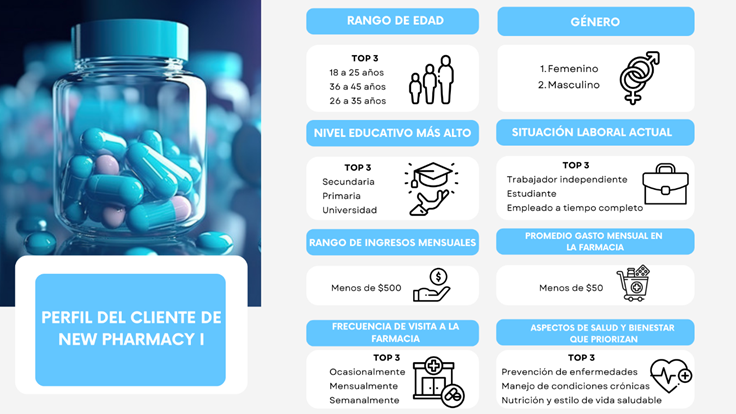
Figure 2. Detailed Target Audience Profile – New Pharmacy I. Source: Authors’ elaboration
Target Audience definition represents one of Brand Key’s most valuable components, enabling identification of specific needs and preferences among brand users. In the case of a pharmacy, the corporate group Nixfarma (2022) states that:
All efforts must be oriented toward the type of user who invests in the pharmacy, as focusing communication on the wrong consumer would render such efforts ineffective. With a well-defined customer profile, it becomes much easier to support customer decision-making, select the products and services to be offered in the pharmacy, achieve customer loyalty, and develop a marketing plan aligned with the actual reality of the pharmaceutical establishment.
Phase 4: Insight Identification
At this stage, the underlying motivations, concerns, and emotions of customers who visit New Pharmacy I were identified, as these constitute the essence of consumer insights. In support of this approach, Pinoargote Montenegro, Palma Avellán, and López (2022) argue that:
Consumer insight demonstrates how a brand achieves a preferred position in the consumer’s mind. Moreover, this tool makes it possible to establish a connection between products or services and consumers, thereby influencing or persuading their behavior while considering the emotions elicited by different brand-related stimuli (p. 62).
Having clarified this, Figure 3 is presented below.

Figura 3. Consumer Insights-New Pharmacy I Costumers. Source: Authors’ elaboration
At this stage, it is recognized that the target audience of New Pharmacy I has clearly defined priorities, as well as a strong awareness of the factors that influence their purchasing decisions. In this context, price, product brand, and recommendations from pharmacy staff are identified as key elements that must be considered when defining brand management strategies for the establishment, neglecting these would likely enable competitor advantage.
In addition, the emotions expressed by customers—trust, satisfaction, and tranquility—indicate that the pharmacy’s mission is being fulfilled. Through effective management, the pharmacy ensures that its target audience not only meets its healthcare needs but also perceives the pharmacy and its staff as healthcare allies genuinely committed to improving quality of life through ethical, high-quality, and compassionate pharmaceutical services.
Phase 5: Benefit Identification
The aspects of the pharmacy’s offerings that are most highly valued by customers were identified in order to highlight them within the branding strategy. Based on these findings,
Figure 4 is presented below.
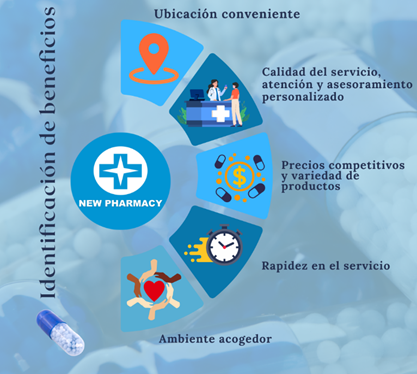
Figure 4. Costumar-Perceived Benefits – New Pharmacy I. Source: Authors’ elaboration
Clear benefit identification becomes a potential differentiating factor, as it strengthens the emotional bond with the brand and fosters potential customer loyalty. This argument is fully aligned with the findings of Andrade-Cevallos and Loor-Zambrano (2020), who concluded that:
Independent pharmacies, if they wish to achieve profitability, must adapt to the constant growth and variability of the market by designing strategies that increase their presence both physically and in the consumer’s mind. In other words, a key strategy for achieving market positioning is ensuring that a product or service occupies a place in the consumer’s mind. This perception and mental recall of a specific product or service is achieved by highlighting brand attributes or a distinctive point of differentiation (p. 842).
Phase 6: Values, Beliefs, and Personality
Brand personality was defined in a previous study entitled “Brand Personality Dimensions: The Case of the New Pharmacy Chain,” conducted by Ríos Quiñónez (2024). The results of this study are presented in Table 2.
Table 2.
Brand Personality Traits of the New Pharmacy Chain
|
Dimensions |
Most Prominent Personality Traits |
Meaning for New Pharmacy |
|
Innovative |
Ingenious – Creative – Flexible – Forward-looking – Strict – Detail-oriented |
It is a pharmacy chain that complies
with current health regulations while simultaneously maintaining a strong
focus on the commercial strategies required to effectively face competition. |
|
Competent |
– Intelligent – Competitive – Tolerant – Productive |
Hand in hand with innovation, customers perceive New Pharmacy as a worthy competitor across the different areas in which it operates. Its intelligent commercial management conveys a strong and efficient image, which would likely yield positive results should the pharmacy expand its franchise network. It is important to highlight that the competitiveness identified is largely due to the highly trained team of professionals that supports the brand. Without this human capital, the dimension and its associated traits would not materialize. |
|
Sincere |
– Honest – Transparent – Loyal – Trustworthy – Consistent |
One of the defining characteristics of New Pharmacy is its transparency and honesty in the pharmaceutical processes it carries out on a daily basis. The consistency with which it offers its services is highly valued by customers, and this has contributed directly to the brand’s positioning and to the perception of honesty that has been attributed to it. |
Note: Adapted from “Meaning of the Brand Personality Traits of the New Pharmacy Chain,” by Ríos Quiñónez (2024), Brand Personality Dimensions: The Case of the New Pharmacy Chain, Volume 4, pp. 18–19.
Phase 7: Reasons to Believe
The objective of this phase was to present the testimonials that support and validate the brand promise of New Pharmacy I, with a particular focus on the quality and reliability of the products and services offered. To this end, Figure 5 is presented below.

Figure 5. Reasons
to Believe in the Brand of New Pharmacy I.
Source: Authors’ elaboration
Based on the information collected, the “Reasons to Believe” phase reflects the perceptions of customers who trust the brand and have positioned it within their top of mind. Likewise, according to Ortíz Saravá (2024), this stage invites reflection on the question “Why should customers believe in a brand’s promise?” To address this, it is recommended to support brand claims with concrete reasons, such as unique product attributes, exceptional service, or customer testimonials. In other words, this phase details “the decisive reasons that should convince consumers to place their trust in a brand. Moreover, it ensures that the promises outlined by the brand are real and feasible” (Ibarra, 2019).
Phase 8: Discriminator Identification
Unique elements distinguishing New Pharmacy I’s brand were identified through comparative analysis clarifying distinctive offerings warranting emphasis in brand communication. These findings are presented in Figure 6.
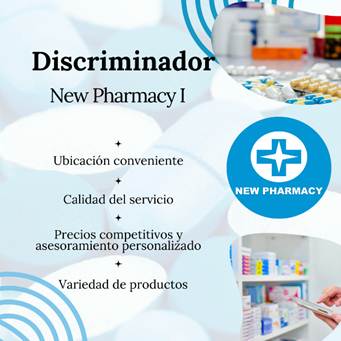
Figure 6. Brand Discriminator of New Pharmacy I. Source: Authors’ elaboration
To support this section, the contributions of Ibarra (2019) are considered, who states that:
The discriminator represents the most important reason for consumers to purchase a brand and its products; it is the attribute that makes the brand unique and different. However, these deep psychological reasons may vary, as consumers are never fully aware of the extent to which their behavior is governed by rational or emotional factors.
Similarly, Ortíz Saravá (2024) argues that the Discriminator “identifies what makes a brand unique. This Unique Selling Proposition (USP) differentiates it from the competition and must constitute a central element of marketing strategies.”
Phase 9: Brand Essence
Finally, all the information collected was synthesized into a brand statement that encompasses the core identity of New Pharmacy I. This statement must be summarized in a single phrase that represents everything the brand seeks to convey (Ortíz Saravá, 2024) and is considered one of the most important elements, as it provides a concise and compelling synthesis of Phases 4 through 8 (Gil, 2024).
Having clarified this, the brand essence of New Pharmacy I is presented in Figure 7.

Figure 7. Brand Essence of New Pharmacy I. Source: Authors’ own elaboration.
According to both the extended and summarized versions, the brand essence of New Pharmacy I is clearly defined, as it draws upon information from most phases of the Brand Key Model. In just a few words, it conveys that the brand’s core purpose is to provide high-quality pharmaceutical services, always focused on meeting the needs of individuals who seek not only medication or pharmaceutical products, but also a dignified and ethical environment led by highly qualified professionals to whom they can entrust the care of their health.
Graphic Identity Redesign for New Pharmacy I
To complement the research, the pharmacy’s imagotype was redesigned. This imagotype consists of a main icon—the characteristic pharmacy cross—accompanied by an additional icon: a four-pointed star. Both elements derive from the original design but feature updated forms (Figure 8). For this redesign, a green leaf icon was added, as one of the owner’s goals is to expand the product catalog to include natural product lines.

Figure 8. Redesigned Imagotype for New Pharmacy I. Source: Authors’ own elaboration.
It is worth noting that this redesign considered technical elements such as full-color versions, grayscale, positive and negative applications, color modes (CMYK, RGB, Pantone), as well as correct and incorrect layouts and background uses. In addition, the updated imagotype was applied across various brand elements, including letterhead, business cards, official and manila envelopes, folders, identification badges, invoices, quotations, signage, lab coats, and point-of-purchase (POP) materials.
CONCLUSION
The design and implementation of a branding strategy using the Brand Key Model to strengthen the identity and positioning of the independent pharmacy New Pharmacy I in the local market led to an improvement in customer perception and loyalty at the physical point of sale. Moreover, this study contributes to the theoretical development of branding within a sector in which strategic brand management has traditionally been underestimated in favor of factors such as location and medication pricing, whether generic or branded. Indeed, the implementation of the Brand Key Model provided a structured methodology that enabled the identification and articulation of essential brand elements, such as brand essence, key discriminators, and core benefits.
Furthermore, the study reinforced the importance of integrating consumer analysis tools and insight design in the construction of a strong emotional value proposition. In addition, this research not only validates the applicability of the Brand Key Model in small enterprises but also demonstrates how intangible values—such as trust and satisfaction—can be transformed into strategic assets for consolidating a pharmacy brand.
From a more practical perspective, the work conducted provided New Pharmacy I with a comprehensive branding strategy that will allow it to differentiate itself in a highly competitive market. This is made possible by the Brand Key Model’s capacity to strengthen brand identity, enhance customer perception, and foster loyalty. Finally, the detailed analysis of the target audience and the identification of consumer insights enabled a technical adjustment of commercial and communication strategies to the real needs of the population segment served by the pharmacy.
REFERENCES
Andrade-Cevallos, N. F., & Loor-Zambrano, H. Y. (2020). Competitive advantage of pharmacies as a market positioning strategy in Portoviejo. Polo del Conocimiento, 5(2), 836–859. https://doi.org/10.23857/pc.v5i2.1315
Antwal, G., & Williams, A. (2017). Luxury brand marketing: The experience is everything! In Journal of Brand Management: Advanced Collections (JBMAC) (pp. 43–57). Springer Nature. https://link.springer.com/chapter/10.1007/978-3-319-51127-6_3
Baixauli, V., Molinero, A., Satué, E., Andraca, L., Mud, F., Sánchez, N., & Prats, R. (2022, June 15). SWOT analysis of community pharmacies. Farmacéuticos Comunitarios, 14(Suppl. 1, SEFAC Congress). https://doi.org/10.33620/FC.2173-9218.(2022).CMC.274
Baulán, E. (2016). Launch of a multi-platform offering products and services for Movistar–Telefónica (Master’s thesis, Universidad de San Andrés). https://repositorio.udesa.edu.ar/jspui/bitstream/10908/16005/1/%5BP%5D%20%5BW%5D%20M%20.%20Mar.%20Baul%C3%A1n%2C%20Ezequiel.pdf
Cano Morillo, L. (2019). Business plan for the creation of a mobile application connecting consumers with at-home beauty and personal care professionals in the city of Quito (Master’s thesis, Universidad de las Américas UDLA). https://dspace.udla.edu.ec/bitstream/33000/11691/1/UDLA-EC-TMMGM-2019-07.pdf
Cardinale, S., Nguyen, B., & Melewar, T. C. (2016). Place-based brand experience, place attachment, and loyalty. Marketing Intelligence & Planning, 34(3). https://doi.org/10.1108/MIP-04-2014-0071
Collins-Dodd, C., & Lindley, T. (2003). Store brands and retail differentiation: The influence of store image and store brand attitude on store own brand perceptions. Journal of Retailing and Consumer Services, 10(6), 345–352. https://doi.org/10.1016/S0969-6989(02)00054-1
Davydenko Larionova, E. A. (2019). Modification of the Unilever Brand Key model considering consumer behavior characteristics in the digital environment (Master’s thesis, Saint Petersburg State University of Industrial Technologies and Design). https://www.elibrary.ru/item.asp?id=41195505
Garmendia Méndez, F. (2022). SWOT analysis for pharmacies: How to conduct the most important internal analysis. INESEM Business School. https://www.inesem.es/revistadigital/biosanitario/dafo-para-farmacias/
Gil, C. (2024, April 17). The Brand Key model: The secret weapon to grow your brand? Sortlist. https://www.sortlist.es/blog/brand-key/
Hervás, A. (2024). Positioning with the Brand Key model. Muwalk. https://www.muwalk.com/brand-key-model
Ibarra, E. (2019, February 26). Brand Key model. Adminnovar. https://adminnovar.wordpress.com/2019/02/26/modelo-de-brand-key/
Jader Pereira, P., Ardigó, C. M., & Flores Limberger, P. (2021). Brand reputation and its relationship with customer loyalty in the retail pharmacy sector: A case study. Revista Brasileira de Gestão de Negócios, 23(3), 557–570. https://doi.org/10.7819/rbgn.v23i3.4120
Janse, B. (2024, June 23). Brand Key model explained plus template. Toolshero. https://www.toolshero.com/marketing/brand-key-model/
Nixfarma. (2022, November 23). Target customer in pharmacies: How to define it. https://www.nixfarma.es/cliente-objetivo-farmacia-definir/
Ortíz Saravá, J. (2024, January 10). Mastering brand positioning with the Brand Key model. SaraváSales. https://saravasales.com/dominar-el-posicionamiento-de-marca-con-el-modelo-de-clave-de-marca/
Osorno González, A. (2022, November 11). Pharmacy brand image: The power of differentiation. Gómez Córdoba Abogados. https://gomezcordoba.com/la-imagen-de-marca-de-la-farmacia-el-poder-de-la-diferenciacion/
Pinoargote Montenegro, K. G., Palma Avellán, A., & López, C. (2022). Insights as a communication strategy and their influence on Ecuadorian consumer behavior. Observatorio de la Economía Latinoamericana, 20(7), 53–63. https://ojs.observatoriolatinoamericano.com/ojs/index.php/olel/article/view/41/39
Ríos Quiñónez, M. B. (2021). Corporate branding and brand equity in pharmacies. Yuracomplexus, (17), 150–169. https://yura.website/index.php/branding-corporativo-y-brand-equity-en-farmacias/
Ríos Quiñónez, M. B. (2024). Brand personality dimensions: The case of the New Pharmacy chain. Revista Social Fronteriza, 4(5). https://doi.org/10.59814/resofro.2024.4(5)450
Roberts, G. (2022, October 7). Pharmaceutical brand strategy. Orientation Agency. https://www.orientation.agency/insights/pharmaceutical-brand-strategy
Robertson, G. (2022). How to use a Brand Key model to display your brand’s USP. Beloved Brands. https://beloved-brands.com/brand-key-model/
Rosa Bastos, J. A., & Muñoz Gallego, P. A. (2008). Pharmacies customer satisfaction and loyalty: A framework analysis (Master’s thesis, Universidad de Salamanca). https://api.core.ac.uk/oai/oai:gredos.usal.es:10366/75181
Rubinson, J., & Pfeiffer, M. (2005). Brand Key performance indicators as a force for brand equity management. Journal of Advertising Research, 45(2), 187–197. https://doi.org/10.1017/S0021849905050208
Sabino, C. (1992). The research process. Panapo.
Shahid, S., Pablo, J., Gul Gilal, J., & Ansari, S. (2022). The role of sensory marketing and brand experience in building emotional attachment and brand loyalty in luxury retail stores. Psychology & Marketing, 39(7), 1281–1427. https://doi.org/10.1002/mar.21510
Shuv-Ami, A. (2011). The MPDTOR: A new Brand Key model. China–USA Business Review, 10, 442–450.
Universidad de La Rioja [UNIR]. (2023, March 31). Why and how to implement pharmaceutical branding? https://www.unir.net/marketing-comunicacion/revista/branding-farmaceutico/
CONFLICTS OF INTEREST
The authors declare no conflicts of interest.