INTRODUCTION
The rapid advancement of artificial intelligence (AI) has intensified global debate regarding its economic and social implications, particularly in relation to employment. While many industries portray AI as a powerful engine of productivity and innovation capable of generating new forms of work, others warn of its disruptive potential, including workforce displacement, accelerated automation, and widening socioeconomic inequalities. This tension raises a fundamental question: does AI function as a mechanism for equitable socioeconomic development, or does it reinforce existing structural disparities? AI increasingly permeates diverse spheres of human activity, reshaping labor processes, organizational structures, and professional identities. Its presence—often described as strange and alien-like—shapes and merges multifaceted human activities, including work (Colle, 2017, as cited in Demera Zambrano et al., 2023, p. 3).
Automation technologies have replaced human labor across numerous sectors, including commerce, manufacturing, and services, while simultaneously fostering growth in emerging fields such as cybersecurity, data analytics and digital engineering, where demand for highly specialized skills continues to rise.
International organizations such as the International Labour Organization (ILO) and the Organization for Economic Co-operation and Development (OECD) have emphasized the urgency of implementing public policies that support inclusive technological transitions. Historically, technological innovations has reshaped production methods, skill requirements and workers’ relationships with their labor. In this respect, AI represents both a continuation and an intensification of these transformations, offering potential efficiency gains while also threatening the erosion or elimination of existing occupations (Bankins & Formosa, 2023, p. 726).
This study examines the sociopolitical narratives constructed by governments, corporations, and labor organizations regarding the impact of AI on work. Rather than focusing exclusively on measurable labor outcomes, the research analyzes how these narratives influence policy formation and societal perceptions of automation. A qualitative methodology combining document analysis and critical discourse analysis is employed to explore competing frameworks that depict AI either as a driver of development or as a destabilizing force within labor markets.
The central hypothesis guiding this research is that AI is reshaping employment in uneven ways. On one hand, it creates opportunities in highly specialized domains; on the other, it accelerates displacement in traditional industries. This dichotomy is reflected in polarized discourses: corporate actors often celebrate AI as a new industrial paradigm, whereas labor organizations express concern its implications for job security and working conditions.
Public policy responses, shaped by regional and economic contexts, frequently prioritize competitiveness over social protection. The dynamic contributes to widening gaps between economies at different levels of digitalization and helps explain persistent inequalities in production and consumption. By examining these discursive patterns, this study seeks to illuminate how specific narratives gain legitimacy within political and economic systems and how they ultimately shape the governance of artificial intelligence and its consequences for employment.
Artificial Intelligence and Its Implications for the Labor Market
The debate surrounding the effects of artificial intelligence (AI) on employment continues to intensify across academic and corporate spheres. Since the early stages of AI development, concerns have emerged regarding its potential to replace human labor and displace workers in multiple productive sectors (Waardenburg, 2024, p. 134). These concerns have prompted the formulation of risk-mitigation policies aimed at balancing human labor with intelligent systems, as well as fiscal strategies designed to reduce the adverse employment effects of automation (Enríquez Álvarez, 2023, p. 126).
Digitalization and the expansion of AI technologies have reshaped labor markets worldwide, affecting both low-skilled and highly specialized occupations, including journalism, audiovisual production and music. Digital platforms have facilitated new forms of employment while simultaneously redefining labor conditions and altering the perceived value of work within the global economy (Walker & Winders, 2023, p. 229). Historically, technological innovation has transformed not only job functions but also required competencies and workers’ relationships with production systems. More pessimistic perspectives anticipate the gradual decline or disappearance of certain occupations as automation advances (Frey & Osborne, 2017, cited in Bankins & Formosa, 2023, p. 726).
The impact of AI on employment is uneven across regions. In the Global South, the growth of digital back-office work has generated new opportunities; however, data workers often occupy the lowest levels of the AI value chain and remain excluded from the core knowledge-production processes (Chaudhuri & Chandhiramowuli, 2024, p. 11). At the organizational level, AI-driven tools are increasingly applied to human resource management and remote work structures in pursuit of greater efficiency and productivity (Tsiakas & Murray-Rust, 2022, p. 588).
Projections regarding AI-induced job displacement vary widely. Some studies estimate that up to 50% of jobs in advanced economies could be at risk (Alonso, 2018, p. 33), whereas other suggest significantly lower figures. Conversely, alternative perspectives argue that AI will stimulate demand for advanced cognitive skills and give rise to new professions (Ban et al., 2024, p. 770). Frey and Osborne (2013, as cited in Castillo, 2017, p. 17) similarly estimate that nearly half of existing occupations could be automatable in the coming decades.
Beyond quantitative employment effects, AI introduces complex socio-ethical challenges, including concerns related to transparency, trust, and job security. These dynamics have fueled calls human-centered AI frameworks that prioritize workers well-being and participation in technological transitions (Wilkens, Lupp, & Langholf, 2023, p. 2). Increased automation may also reshape global competitive advantages, shifting economic models from labor-cost arbitrage toward hyperautomation (Gartner, 2016, as cited in Castillo, 2017, p. 17). Within this context, organizational strategies must emphasize sustainable working conditions and continuous skills development to support workforce adaptability (Wilkens, Lupp, & Langholf, 2023, p. 4).
Digitalization thus produces a dual effect on employment. While routine labor in sectors such as logistics and manufacturing is declining, other industries are experiencing job growth (Wilkens, Lupp, & Langholf, 2023, p. 7). Simultaneously, algorithmic governance is transforming organizational management by transferring supervisory functions from humans to autonomous decision-making systems (Reyes Guzmán, 2023, p. 9).
AI also affects workers’ professional identities. The automation of cognitive and manual tasks not only contributes to job insecurity but also alters employees’ sense of purpose and organizational belonging (Selenko et al., 2022, p. 276). Although AI creates new roles, its implementation often prioritizes efficiency ober identity-related concerns. Public discourses remain polarized between optimistic narratives emphasizing liberation from repetitive work and pessimistic scenarios predicting large-scale unemployment (Selenko et al., 2022, p. 273).
Ultimately, AI presents multidimensional challenges whose impacts vary by region, sector, and skill level. While automation may displace certain workers, it also generates opportunities for advanced competencies and emerging digital occupations. Public policy and organizational governance will therefore play a decisive role in determining whether AI integration promotes equity and sustainability within labor markets.
Narratives on Artificial Intelligence: Transformative Innovation or Social Threat?
Contemporary discourse on artificial intelligence is characterized by a tension between technological optimism and social anxiety. On one hand, AI is portrayed as a transformative force capable of enhancing human capabilities and fostering productive collaboration between humans and machines (Ting et al., 2023, p. 46). From this perspective, AI is viewed nor merely as a tool but as an argumentative technology that amplifies human intelligence across multiple domains (Salomon, Perkins, & Globerson, 1992, p. 19).
On the other hand, advanced AI application have intensified concerns regarding social stability and employment. Beyond task automation, AI introduces structural changes that reshape labor relations and organizational dynamics. A lack of consensus persists regarding the expansion of AI-mediated work, particularly given its potential to erode specific occupational functions and contribute to long-term unemployment (Ghaly, 2024, p. 436).
Public narratives often oscillate between enthusiasm for technological progress and fear of profound social disruption, sometimes framed in apocalyptic terms (Aguado et al., 2025, p. 27). One prominent narrative centers on technological singularity - the hypothetical moment when AI surpasses human intelligence and becomes uncontrollable. Scholars argue that such scenarios must be examined through interdisciplinary lenses encompassing sociology, technology, governance, and ethics (Wright, 2018, p. 40). While speculative predictions foresee rapid AI self-improvement, these perspectives underscore broader anxieties surrounding humanity’s loss of agency in increasingly automated systems (Diéguez, 2016, p. 155).
A critical issue within this debate is the absence of robust governance mechanisms for AI regulation. The lack of comprehensive legal frameworks raises concerns about accountability, privacy, and social justice. Citizens require both technological literacy and legislative protections to oversee AI applications that directly affect their lives (Rebollo Delgado, 2023, p. 101). Consequently, AI governance extends beyond technical considerations to encompass ethical imperatives related to equity and human autonomy.
AI technologies, including generative models such as ChatGPT, have already transformed customer service, education, and decision-making processes across industries (Díaz et al., 2023, p. 53). These innovations have particularly influenced younger generations, reshaping consumption patterns and increasing reliance on digital platforms (Ordoñez, 2019, p. 30). While such developments enhance efficiency, they also heighten concerns about workforce displacement and employment uncertainty (Lee & Park, 2023, p. 2).
In response, human–machine collaboration models emphasize supportive rather than substitutive roles for AI. However, effective integration requires intuitive interaction and transparent system design, posing significant sociotechnical challenges (Ayoko & Ashkanasy, 2020, p. 492). Moreover, AI systems remain limited in environments characterized by high uncertainty, reinforcing the continued necessity of human judgment in critical decision-making processes (Sanz & López, 2007, p. 235).
Overall, debates surrounding AI reflect a broader struggle between technological progress and social protection. While proponents highlight AI’s potential to enhance cognitive performance and productivity, critics warn of dehumanization and the erosion of meaningful work. Maintaining a balanced perspective is essential to harness AI’s benefits while safeguarding human dignity and labor rights.
Differentiated Economic Impacts of AI: Opportunities vs. Labor Exclusion
The integration of artificial intelligence across economic sectors has intensified discussions regarding its uneven employment effects. Advances in AI-driven automation have accelerated productivity while simultaneously redefining the value of human labor (Cea, Lueje-Seeger, & Wachter, 2024, p. 39). Although AI fosters innovation and new business models, it also raises critical questions about economic concentration and social exclusion.
From a social innovation standpoint, AI facilitates the emergence of novel economic structures by integrating technical, social, and organizational dimensions (Traube et al., 2016, p. 134). Nevertheless, its global deployment may reinforce existing inequalities, generating value in technologically advanced economies while enabling surveillance and control mechanisms elsewhere (Wright, 2018, p. 41). This duality reflects competing governance models and highlights persistent challenges associated with the digital divide (Sekara et al., 2024, p. 6). Automation has historically provoked labor displacement, particularly in industries where human labor costs exceed those of automated systems (Haug, 2016, p. 27). Contemporary AI applications further contribute to employment precarity through continuous monitoring, algorithmic management, and opaque decision-making processes (Huysman, 2020, p. 308). Without effective governance, these transformations risk undermining workplace dignity and professional autonomy.
Beyond quantitative job losses, AI reshapes employment quality. Inadequate regulatory frameworks expose workers to exploitative conditions, reinforcing calls for large-scale reskilling initiatives aimed at facilitating transitions into emerging roles (Ayoko & Ashkanasy, 2020, p. 500). From a post-industrial perspective, knowledge has become a primary source of economic value; however, automation threatens to marginalize displaced workers who lack access to digital competencies (Feng, 2020, p. 279).
Economic instability has amplified fears regarding the future of work, with concerns that technological acceleration will exacerbate inequality and structural unemployment (Finquelievich, 2020, p. 22). Although some analyses suggest that overall employment levels may remain stable, there is broad agreement that automation disproportionately affects middle-skill occupations, pushing vulnerable workers toward low-wage positions with limited upward mobility.
Mitigating these outcomes requires ethical governance frameworks grounded in principles such as justice, accountability, and non-maleficence (De Asís, 2022, pp. 102–103). Such principles provide a foundation for public policies that balance innovation with labor protection, ensuring that AI contributes to inclusive economic development rather than deepening existing disparities.
MATERIALS AND METHODS
This study adopts a qualitative, interpretive, and critical–hermeneutic approach to examine narratives and regulatory frameworks surrounding artificial intelligence (AI) and employment. This methodological perspective enables an in-depth exploration of the social, economic, and political dynamics that shape these discourses, as well as the underlying power relations and ideological structures.
Document analysis was conducted to assess how public policies, regulatory instruments, and academic literature have influenced contemporary understandings of AI’s impact on labor. The corpus included legislative texts related to automation and artificial intelligence, alongside scholarly publications addressing capital–labor relations in the digital era. The analytical strategy combined inductive thematic coding with comparative policy analysis at national and international levels to identify regulatory gaps and inconsistencies in AI governance. This approach facilitated an evaluation of the alignment between existing frameworks and emerging labor challenges.
Critical discourse analysis focused on narratives produced by key stakeholders, including governments, corporations, labor unions, and academic experts. Political statements, media materials, and organizational documents related to digital transformation were examined to identify discursive strategies, metaphors, and representations of AI within labor debates. Particular attention was given to the contrast between narratives framing AI as a driver of innovation and those depicting it as a threat to decent work.
Data collection involved a systematic review of relevant documents combined with detailed discourse analysis across governmental, corporate, and labor contexts. To ensure analytical rigor and reproducibility, inductive coding and comparative techniques were implemented using ATLAS.ti. This integrated methodological design enabled the identification of dominant narratives as well as the structural factors shaping their influence on labor equity.
RESULTS AND DISCUSSION
Figure 1 presents a Sankey diagram illustrating the relationships among key components of digital transformation in the labor market and their AI-driven impacts. Sankey diagrams visually represent interconnected nodes and flows, with flow widths proportional to the magnitude of change, allowing for the identification of directional trends and intensity across occupational categories (García, 2021, p. 24). Although the diagram follows a predominantly linear progression from left to right, feedback loops indicate recursive processes within the system.
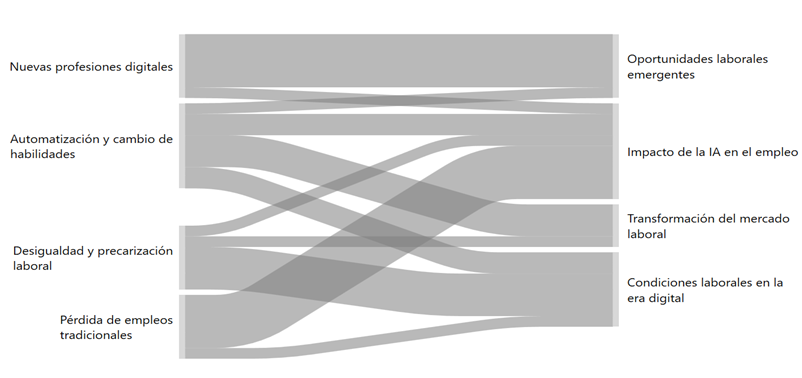
Figure 1. Sankey Diagram of Discourse Analysis.
Note. Flow of relationships between labor categories and the impact of artificial intelligence on employment. Authors’ own elaboration based on the research conducted.
The analysis identifies five primary input factors: the expansion of digital professions; automation and skills transformation; growing inequality and employment precarity; the decline of traditional occupations; and evolving working conditions in digital environments. These factors converge in outcomes such as the emergence of new employment opportunities, shifts in labor market structures, and the reconfiguration of workplace dynamics.
The findings indicate that technological innovation has generated employment growth in digital and technical sectors while simultaneously accelerating displacement in more traditional industries. This dual process reinforces structural changes in occupational hierarchies and necessitates continuous skills recalibration. As observed in previous technological transitions, automation simultaneously erodes conventional employment patterns and produces new professional roles requiring advanced competencies.
However, these benefits are unevenly distributed. Gains from AI-driven productivity remain concentrated among firms and workers with access to technological infrastructure and specialized training, thereby intensifying labor market polarization. While sectors such as translation, journalism, and creative production have experienced disruption, highly technical domains continue to expand. This asymmetry highlights the absence of equity as a guiding principle in contemporary technological transitions.
Moreover, automation complicates income distribution and employment stability. The concentration of technological capital exacerbates existing inequalities and deepens vulnerabilities among marginalized workers. Without targeted regulatory intervention, AI risks reinforcing cycles of exclusion rather than fostering inclusive development.
These results underscore the need for governance mechanisms capable of addressing both the quantitative and qualitative dimensions of labor transformation. Beyond job creation or loss, AI reshapes professional identities, workplace autonomy, and psychosocial well-being. Consequently, policy responses must extend beyond economic metrics to encompass broader social implications
.
CONCLUSION
The findings demonstrate that artificial intelligence has produced profound yet asymmetrical effects on employment. While emerging sectors such as technology and cybersecurity exhibit increasing demand for highly skilled labor, traditional industries—including manufacturing and retail—face accelerated automation, widening disparities in employment opportunities.
Two dominant narratives characterize contemporary debates on AI. One emphasizes innovation and economic growth, highlighting AI’s potential to generate new forms of work. The other foregrounds concerns regarding job displacement, employment precarity, and surveillance-driven management practices. These contrasting perspectives reveal that AI’s labor impacts are largely mediated by regulatory environments and the effectiveness of public policy interventions.
Although automation has enhanced operational efficiency and, in some contexts, workplace safety, it has also intensified job instability and monitoring. Workers’ professional identities continue to undergo reconfiguration as task fragmentation and reduced decision-making autonomy generate psychosocial consequences. Persistent regulatory gaps further compound these challenges, enabling AI deployment in ways that inadequately protect labor rights.
Ensuring an equitable integration of AI into the workplace requires coordinated strategies that combine regulation, education, and workforce development. Comprehensive reskilling initiatives and inclusive policy frameworks are essential to mitigate displacement risks and facilitate fair transitions toward the digital economy.
This study underscores the importance of establishing ethical governance systems grounded in principles of equity, accountability, and non-maleficence. Without adequate safeguards, AI is likely to deepen structural inequalities and concentrate economic power. Conversely, responsible governance can harness AI’s transformative potential to support sustainable growth and promote decent work.
Ultimately, the impact of artificial intelligence on employment depends less on its technical capabilities than on the institutional frameworks that govern its use. In the absence of robust regulation, AI may exacerbate inequality and structural unemployment. With effective oversight, however, it holds the capacity to contribute to inclusive economic development and long-term labor resilience.
REFERENCIAS BILIOGRÁFICAS
Aguado, D., Cantera, J., Peiró, J. M., Aranda, I., Cortijo, O., Remón, J., Gil, F., Munduate, L., & García-Vera, M. P. (2025). Human-centered development of artificial intelligence in organizations: Recommendations from the Work and Organizational Psychology Think Tank. Papeles del Psicólogo/Psychologist Papers, 46(1), 25–32. https://doi.org/10.70478/pap.psicol.2025.46.04
Alonso, J. R. (2018). Will machines dominate us? El Ciervo, 67(768), 32–33. El Ciervo 96, S.A. https://www.jstor.org/stable/45209971
Aprendemos Juntos 2030. (2024, November 20). Full version. A masterclass by the pioneer of artificial intelligence, Jürgen Schmidhuber [Video]. YouTube. https://www.youtube.com/watch?v=Q6BclIP5QBQ
Ayoko, O. B., & Ashkanasy, N. M. (2020). The physical environment of office work: Future open plan offices. Australian Journal of Management, 45(3), 488–506. https://doi.org/10.1177/0312896220921913
Ban, O., Maiorescu, I., Bucur, M., Sabou, G. C., & Cohen-Tzedec, B. (2024). AI between threat and benefactor for the competencies of the human working force. Amfiteatru Economic, 26(67), 762–782. https://doi.org/10.24818/EA/2024/67/762
Bankins, S., & Formosa, P. (2023). The ethical implications of artificial intelligence (AI) for meaningful work. Journal of Business Ethics, 185, 725–740. https://doi.org/10.1007/s10551-023-05339-7
Bericat Alastuey, E. (1996). The information society: Technology, culture, society. Revista Española de Investigaciones Sociológicas, 76, 99–121. Centro de Investigaciones Sociológicas. https://www.jstor.org/stable/40183988
Bloomberg en Español. (2023, October 7). The founder of OpenAI talks about the future of artificial intelligence | Exponentially [Video]. YouTube. https://www.youtube.com/watch?v=l2WRZNqkMQE
Castillo, M. (2017). The industrial Internet for structural change in Latin America. Institut Barcelona d'Estudis Internacionals (IBEI). http://www.jstor.com/stable/resrep14197
Cea, I., Lueje-Seeger, A., & Wachter, T. (2024). Automation and the future of employment in Chile: A contribution to the National Artificial Intelligence Policy. Atenea, 529(1), 35–61. https://doi.org/10.29393/AT529-2AFCS30002
Chaudhuri, B., & Chandhiramowuli, S. (2024). Tracing the displacement of data work in AI: A political economy of “human-in-the-loop”. Engaging Science, Technology, and Society, 10(1–2), 8–31. https://doi.org/10.17351/ests2024.2983
De Asís, R. (2022). Artificial intelligence and human rights. In R. de Asís (Ed.), Rights and technologies (pp. 101–120). Dykinson. https://www.jstor.org/stable/j.ctv2gz3ww5.6
Demera Zambrano, A. E., Sánchez Cedeño, A. N., Franco López, M. C., Espinoza Cedeño, M. J., & Santana Sardi, G. A. (2023). Theoretical foundations of artificial intelligence in the development of mobile applications at the Institute of Admission and Leveling of the Technical University of Manabí. Tesla Revista Científica, 3(2), e223. https://doi.org/10.55204/trc.v3i2.e223
Díaz, J., Peña, D., Fabara, Z., Ruiz, A., & Macías, D. (2023). Experimental comparative study of the use of ChatGPT and its influence on the learning of students in the Information Technologies program at the University of Guayaquil. Revista Universidad de Guayaquil, 137(2), 51–63. https://doi.org/10.53591/rug.v137i2.2107
Díaz, J., Pulley, J., & Navarrete, P. (2025). Artificial intelligence tools in educational support for students with special educational needs (SEN) across different disabilities. Revista Universidad de Guayaquil, 139(1), 10–30. https://doi.org/10.53591/rug.v139i1.1605
Diéguez, A. (2016). Technological singularity and the posthuman challenge. Pasajes, 50, 154–164. Publicacions Universitat de València. https://www.jstor.org/stable/pasajes.50.154
DW Español. (2024, March 14). AI: Opportunity or risk for employment? [Video]. YouTube. https://www.youtube.com/watch?v=474QxsCFDc8
Enríquez Álvarez, L. (2023). Impact analysis of artificial intelligence on people’s rights and freedoms. Ecuador Debate, 120, 119–133. Centro Andino de Acción Popular. https://www.caapecuador.org/revista-ecuador-debate
Feng, S. (2019). Toward a transformed and unequal world. China Quarterly of International Strategic Studies, 5(2), 267–287. World Century Publishing Corporation & Shanghai Institutes for International Studies. https://doi.org/10.1142/S2377740019500118
Finquelievich, S. (2020). Latin America: Between aging and the technological tsunami. Robotics, artificial intelligence, and work. In A. Rivoir (Ed.), Digital technologies and social transformations: Inequalities and challenges in the current Latin American context (pp. 15–30). CLACSO. https://www.jstor.org/stable/j.ctv1gm00zt.4
Garay Gallastegui, L. M. (2022). Artificial intelligence: The future of companies and people. How and why to incorporate artificial intelligence into entrepreneurial ventures. In B. R. Hernández-Sánchez, G. M. Cardella, & J. C. Sánchez García (Eds.), Perspectives on entrepreneurship in the face of the coronavirus crisis (pp. 581–586). Dykinson. https://www.jstor.org/stable/j.ctv2gz3w9c.97
García, J. M. (2021). Energy flow analysis using Sankey diagrams for global energy transition scenarios [Undergraduate thesis, University of Valladolid]. https://uvadoc.uva.es/bitstream/handle/10324/48764/TFG-I2008.pdf
Ghaly, M. (2024). What makes work “good” in the age of artificial intelligence (AI)? Islamic perspectives on AI-mediated work ethics. The Journal of Ethics, 28(3), 429–453. https://doi.org/10.1007/s10892-023-09456-3
Haug, W. F., & Muñoz, G. (2016). Digitalization: A change of era. Pasajes, 50, 22–33. Publicacions Universitat de Valencia. https://www.jstor.org/stable/pasajes.50.22
Huysman, M. (2020). Information systems research on artificial intelligence and work: A commentary on “Robo-Apocalypse cancelled? Reframing the automation and future of work debate”. Journal of Information Technology, 35(4), 307–309. https://doi.org/10.1177/0268396220926511
Lee, J., & Park, J. (2023). AI as “Another I”: Journey map of working with artificial intelligence from AI-phobia to AI-preparedness. Organizational Dynamics, 52, 100994. https://doi.org/10.1016/j.orgdyn.2023.100994
Ordoñez, M. (2019). Use of digital media and its impact on Generation Y & Z. Revista Universidad de Guayaquil, 129(2), 24–37. https://doi.org/10.53591/rug.v129i2.1370
Pasquinelli, M., Alaimo, C., & Gandini, A. (2024). AI at work: Automation, distributed cognition, and cultural embeddedness. Tecnoscienza – Italian Journal of Science & Technology Studies, 15(1), 99–131. https://doi.org/10.6092/issn.2038-3460/20010
Presidencia de la República - Colombia. (2025, February 11). President Petro at the Artificial Intelligence Forum at the 2025 World Governments Summit [Video]. YouTube. https://www.youtube.com/watch?v=HuaOa5gGsJ8
Rebollo Delgado, L. (2023). Legal proposals on artificial intelligence and fundamental rights. In L. Rebollo Delgado, Artificial intelligence and fundamental rights (pp. 96–138). Dykinson. https://www.jstor.org/stable/jj.5076311.8
Reyes Guzmán, A. (2023). Artificial intelligence in public administration: Algorithmic governance based on the socio-technical trajectory of human talent management in public administration [Postgraduate specialization thesis, Latin American Faculty of Social Sciences, FLACSO Ecuador]. FLACSO Andes. Available at https://www.flacsoandes.edu.ec
Salomon, G., Perkins, D. N., & Globerson, T. (1992). Co-participating in knowledge: The amplification of human intelligence with intelligent technologies. Culture and Education, 4(13), 6–22. https://doi.org/10.1080/02147033.1992.10820997 (Original work published 1992)
Sanz, R., & López Paniagua, I. (2007). Towards conscious machines. Estudios de Psicología, 28(2), 231–249. https://doi.org/10.1174/021093907780962890
Sekara, V., Karsai, M., Moro, E., Kim, D., Delamonica, E., Cebrian, M., Luengo-Oroz, M., Moreno Jiménez, R., & Garcia-Herranz, M. (2024). The opportunities, limitations, and challenges in using machine learning technologies for humanitarian work and development. Advances in Complex Systems, 27(3), 2440002. https://doi.org/10.1142/S0219525924400022
Selenko, E., Bankins, S., Shoss, M., Warburton, J., & Restubog, S. L. D. (2022). Artificial intelligence and the future of work: A functional-identity perspective. Current Directions in Psychological Science, 31(3), 272–279. https://doi.org/10.1177/09637214221091823
Spencer, D. A. (2024, May 16). AI, automation and the lightening of work. AI & Society. https://doi.org/10.1007/s00146-024-01959-3
TEDx Talks. (2023, November 29). Will artificial intelligence take your job? | Juan Lombana | TEDxUANL [Video]. YouTube. https://www.youtube.com/watch?v=IY1WXMOJMVw
Ting, Y.-J., Huang, H., Lin, T.-L., & Chang, W.-H. (2023). Expanding governance capabilities. East Asian Policy, 15(2), 44–62. https://doi.org/10.1142/S1793930523000119
Traube, D. E., Begun, S., Okpych, N., & Choy-Brown, M. (2017). Catalyzing innovation in social work practice. Research on Social Work Practice, 27(2), 134–138. https://doi.org/10.1177/1049731516659140
Tsiakas, K., & Murray-Rust, D. (2022). Using human-in-the-loop and explainable AI to envisage new future work practices. In The 15th International Conference on PErvasive Technologies Related to Assistive Environments (PETRA ’22), June 29–July 1, 2022, Corfu, Greece. ACM. https://doi.org/10.1145/3529190.3534779
Waardenburg, L. (2024). Human-AI collaboration: A blessing or a curse for safety at work? Tecnoscienza: Italian Journal of Science & Technology Studies, 15(1), 133–146. https://doi.org/10.6092/issn.2038-3460/19964
Walker, M., & Winders, J. L. (2024). Geographies of artificial intelligence: Labor, surveillance, and activism. Human Geography, 17(2), 227–235. https://doi.org/10.1177/19427786231208458
Wilkens, U., Lupp, D., & Langholf, V. (2023). Configurations of human-centered AI at work: Seven actor-structure engagements in organizations. Frontiers in Artificial Intelligence, 6, Article 1272159. https://doi.org/10.3389/frai.2023.1272159
Wright, N. (2018). Artificial intelligence and global order. Política Exterior, 32(185), 40–49. Estudios de Política Exterior S. A. https://www.jstor.org/stable/10.2307/27045818
CONFLICTS OF INTEREST
The authors declare no conflicts of interest.