INTRODUCTION
This research analyzes reading difficulties and their impact on learning and self-esteem, focusing on the ability to read and comprehend texts. This process evolves from the simple to the complex, with reading comprehension—beginning at the initial stage of language internalization—being one of the greatest challenges. If solid foundations are not established from the outset, obstacles may arise at later stages, affecting the ability to understand, analyze, and interpret texts, which directly impacts academic performance and students’ self-esteem.
The aim of the study is to identify the limitations faced by students with reading difficulties during their learning process. Tamayo (2017) notes that “reading difficulties are quite common, affecting approximately 5–10% of the school population” (p. 424). These difficulties include both comprehension problems and dyslexia, which may occur even in children with normal intelligence, a stable family environment, and adequate schooling. In this regard, Naido (1981) indicates that “the percentage of individuals with dyslexia is around 4%, and in reading tests they usually obtain scores corresponding to an age two years below their chronological age” (p. 26).
These limitations are reflected in a lack of accuracy, fluency, and comprehension when reading. Reading, as a process that involves language internalization and gradual progression, directly influences analytical and interpretative abilities, affecting both academic performance and self-esteem. In this context, Vázquez Borges et al. (2019) highlight that “reading frequency is important, insofar as the more one reads—even if the books are not directly related to an academic subject—the greater the correlation with the grades obtained” (p. 15).
It is important to understand that reading difficulties represent a significant challenge in the academic sphere. Since reading is a fundamental tool and a prerequisite for acquiring multiple forms of learning, this skill opens the door to learning in Mathematics, Science, and Social Studies. Ruiz et al. (2014) point out that “children with poor reading skills at the beginning of the process fall increasingly behind in reading and in other subjects” (p. 215). Therefore, given the consequences of these limitations, it is crucial to give this process due attention and value, as it will decisively influence future academic success or failure.
Other consequences associated with learning difficulties are observed in the social and emotional domains. “It can be stated that low self-esteem leads individuals to feel diminished, incapable of overcoming their difficulties, and unable to set life goals” (Lojano Alvarado & Solórzano, 2017). These difficulties generate anxiety, frustration, and shame due to feelings of inadequacy when students are unable to understand what is considered normal for other children of the same age. Each misunderstood word can become an insurmountable obstacle and may even affect self-image and personal confidence.
Reading difficulties may persist into adulthood and affect both professional life and interpersonal relationships. According to Corrá et al. (2012), “academic failures due to the disorder often lead to a decrease in students’ self-esteem and motivation” (p. 23). Undoubtedly, overcoming these challenges requires great courage and resilience, which often fail to develop due to school and family contexts that do not provide protective factors. These problems also extend to various daily activities, including financial matters and other aspects related to writing. In this context, it is important to recognize that reading difficulties are not always due to intellectual disability or brain injury, but may have multiple causes.
Reading difficulties can be classified into three major categories: decoding difficulties, comprehension difficulties, and fluency difficulties. Regarding the first category, Snowling and Hulme (2012) state that “individuals with these difficulties may have problems with letter–sound correspondence, which makes it difficult for them to pronounce words correctly” (p. 29). This indicates that the problem lies in the recognition and processing of letters and words, resulting in pronunciation errors.
With respect to comprehension difficulties, although some individuals may read words correctly, they have problems understanding the meaning of the text. According to Carrero Barril (2015), “in reading, as the result of a continuous process, the most relevant propositions extracted from the text are maintained in working memory simultaneously with new ones that are gradually integrated” (p. 24). In the context of Latin American education, low levels of reading comprehension remain a challenge to be addressed, as students often face obstacles when attempting to interpret and discuss complex texts. This difficulty, unlike decoding, does not affect correct word reading, but rather the ability to interpret the message, which may be due to rapid forgetting of essential elements, lack of information integration, or difficulty understanding implicit meanings. According to Sumba Portilla and Lima Machuca (2016), “it is an important skill, as it goes beyond the comprehension of symbols” (p. 29).
Regarding fluency difficulties, Calero (2014) describes fluency as “a linking skill between the child’s decoding abilities and reading comprehension, defined as a simultaneous and self-regulated learning process involving automatization in word recognition, prosodic reading, and comprehension” (p. 45). Difficulties in this skill can generate problems in reading rhythm, presenting two extremes: tachylexia, characterized by excessively rapid reading without respecting punctuation marks, and bradylexia, which involves slow, syllabic, and rhythm-less reading. A mixed condition may also occur, alternating between the two extremes, which affects reading fluency. Reading is a complex activity that requires the integration of various processes, and difficulties depend on alterations in these processes. To help students with reading difficulties reach their full potential, it is essential to understand both the nature and the origin of the disorder. Since reading involves multiple processes, it is crucial to identify where the weaknesses lie that interfere with the acquisition, development, and practical use of reading. Romero Pérez and Lavigne Cerván (2004) state that “properly defining learning difficulties reveals that there is a significant number of students with problems in learning school tasks that are not due to sensory causes, chronic deprivation, or severe intellectual disabilities” (p. 10).
Thus, it is essential to consider the relationship between reading acquisition and language development in childhood. As Borzone (2005) points out, “learning to read begins with language during the preschool years, a sensitive stage that gradually unfolds through various phases of the process, in which it is crucial to avoid obstacles” (p. 63). Moreover, reading difficulties often have a strong hereditary component. Jiménez and González (2023) indicate that “the risk of a family member having dyslexia if another relative is affected is around 30%” (p. 78). Studies conducted with twins have shown that identical twins have a higher concordance for dyslexia than fraternal twins. Neurobiological factors, such as differences in brain structure and functioning, also play a key role in reading difficulties. Wolf (2007) explains that “reading is defined by its generative capacity to go beyond what is given. To achieve this, it depends on brain plasticity, its open architecture, and its ability to transform its circuits and overcome the original design of its structures” (p. 5). Brain imaging shows that individuals with dyslexia present variations in brain areas related to language processing, such as the angular gyrus and the supramarginal gyrus.
Another fundamental etiological aspect is the environment in which children grow up, the quality of instruction they receive, and their access to reading materials. According to Montealegre and Forero (2006), “emergent literacy in children contributes to the development of reading skills through a continuous process that begins long before entry into formal education” (p. 30). Thus, the environment significantly influences reading development: an unstimulating environment may generate future problems, whereas a family that encourages reading fosters the ability to comprehend texts and infer meaning in conversations. It is necessary to work on preventing risk factors that contribute to the emergence of reading problems and to strengthen protective factors both at home and at school. Early intervention is crucial to mitigate the effects of reading difficulties. Proper identification and support can significantly improve students’ reading skills and emotional well-being. Regarding interventions, it is essential that they be technical, systematic, and timely, using a variety of strategies. Sánchez and Valdivieso (2020) highlight that “reading acquisition occurs at different levels, from basic levels of graphemes, grapheme–phoneme decoding, and word recognition, to higher levels of complexity such as integrating the sentences that form a text” (p. 20). These strategies must be adapted to the individual characteristics of each student and respond to their specific difficulties; therefore, intervention should be largely personalized.
Nevertheless, access to technical intervention programs remains a challenge, especially among socioeconomically vulnerable populations. Private care spaces are often costly. Although many strategies can be implemented both at home and in the school environment, the lack of training or information among teachers and parents continues to be an obstacle. It is important to recognize that, although some interventions may be economically inaccessible, there are resources and technologies that allow re-education activities to be carried out at home. These resources are a key tool for parents and teachers to become informed and to use interactive and didactic methods without the need for expensive materials.
Finally, the causes of reading difficulties are multifactorial and include genetic, neurobiological, and environmental factors. Differences in brain structure development in children with dyslexia may lead to difficulties in their learning process, emphasizing the need for adequate prevention, detection, and intervention. Subsequently, reading difficulties, their acquisition and development, will be examined in greater depth, and more effective intervention strategies will be proposed. The following questions are therefore posed: What are reading difficulties? What are their consequences on academic performance and self-esteem? Are reading problems related to self-esteem?
The article is presented schematically. It begins with an introduction that provides an overview of the topic. The theoretical framework offers a well-founded argument on the conceptualization of reading, its importance, its relationship with learning, reading difficulties, and relevant aspects associated with the prevention and intervention of these problems. The methodological component describes the approach, design, and type of research, as well as details regarding the sample, data collection, and data processing, yielding significant results that are subject to reflection in light of various antecedents. Finally, the conclusions highlight the most important ideas of this research.
Exploring Reading
Reading is a fundamental activity in human life that, beyond deciphering symbols and words, allows individuals to connect ideas, emotions, and knowledge. Through the act of reading, people access necessary information, understand their context and culture, develop cognitive skills, and comprehend others’ experiences. This activity is carried out through the interaction of several mental processes, such as visual perception, memory, and critical thinking. According to Bernabeu (2003), “by reading we can understand a cognitive act that involves recognizing, identifying, understanding, evaluating, and assuming the content of the written message” (p. 153). That is, reading is not only a mental process but also a visual one, in which the reader begins by decoding the system of written language symbols and then extracts the explicit and implicit message of the text; this step is essential for understanding its meaning.
For reading to be effective, decoding alone is not sufficient; the reader must reach levels of analysis and interpretation that allow inference not only of messages but also of the author’s intentions, even arriving at a critical evaluation of the text, which enriches reflective capacity. As Simbaña Gallardo et al. (2021) note, “reading is an intellectual process naturally developed by human beings and, for this reason, can be deployed visually or graphically (letters, ideograms, signs), tactually (Braille system), or auditorily (Morse code)” (p. 87). Therefore, the ultimate goal of reading is language comprehension, which enhances the reader’s communicative skills. Reading not only involves identifying words but also connecting ideas and reconstructing meaning through complex mental processes.
According to Arteaga et al. (2019), “it is considered that to learn to read, one must possess the linguistic skills of speaking and listening” (p. 597). This highlights the importance of developing certain prerequisites for reading acquisition and underscores the value of preschool education, which contributes to consolidating essential motor and cognitive functions. It is crucial for children to learn to express ideas and opinions, as well as to develop active listening skills, in order to avoid later reading difficulties. Monroy (2018) reinforces this idea by noting that “the sociocultural context in which children live undoubtedly influences their learning; if parents or caregivers offered opportunities to experience new activities that foster interest in and habits of reading, sustained practice would be easier” (p. 14). In other words, reading is not a natural human faculty, but rather develops through stimulation from parents and teachers, through instruction, and the implementation of strategies that generate new experiences.
Wolf (2007) maintains that “reading is defined by its generative capacity to go beyond what is given. To this end, reading depends on brain plasticity—that is, on its open architecture and its capacity to transform its circuits and go beyond the original design of its structures” (p. 15). This reflects how reading impacts not only the cognitive domain but also the development of complex thinking skills.
Beyond purely cognitive aspects, reading also has a significant impact on emotional and social development. Through reading, individuals can discover, explore, and understand different perspectives, learning to value and appreciate diverse points of view. As Domínguez et al. (2015) state, “reading is an effective means of achieving intellectual, social, spiritual, and moral development; it holds great significance and constitutes an essential element in the comprehensive education of new generations” (p. 95). Books, therefore, are a gateway to new knowledge and ways of seeing the world, fostering open-mindedness and respect for diversity.
Importance of Reading
Reading is a complex activity and fundamental to personal development. Through reading—whether visual or written—children learn to engage with their environment and to understand themselves. However, it is concerning that, at times, reading is perceived as a tedious or boring activity. Despite recommendations for parents and teachers to encourage reading from an early age using appropriate literary resources, there are limitations and difficulties that prevent children from developing this habit effectively. These barriers must be considered, as they may hinder the laudable goal of motivating children to enjoy reading.
One of the factors influencing low reading rates is the methodology used in its instruction. Reading is often presented as an obligation, especially during crucial stages of development, which disconnects it from students’ personal interests. In Ecuador, according to data from El Telégrafo (2014), “31% of Ecuadorians read a newspaper in their free time, and only 28% read a book. Fifty-four percent of the population reads at home, and barely 0.3% does so in a library.” According to Domínguez et al. (2015), “this is nothing more than the result of deficient work in the formation of reading interests and habits” (p. 97). This invites reflection on how, in retrospect, reading did not have the positive impact it should have had, being perceived as an obligatory activity rather than a source of pleasure.
Although few people read books voluntarily, it is notable that when they do, the titles are usually related to their personal tastes. This demonstrates the importance of offering reading materials aligned with readers’ interests to reactivate and promote this habit among children, adolescents, and adults. Studies suggest that, both at home and at school, children can be motivated when an enabling environment is created so they can enjoy their first reading experiences. Thus, in Ecuador, the guidelines ¡3…2…1… ¡Volvamos al aula! For the 2025–2026 school year, issued by the Ministry of Education also proposes strategies to create motivating environments and promote reading, such as stories and interactive reading, reading circles, book clubs, paired reading, classroom library, and reading club. Another experience referred to as a successful educational action is the practice of the Dialogic Literary Gathering (Tertulia Dialógica Literaria), applied especially by innovative schools that are part of Learning Communities (CdA). However, these good practices depend on awareness of the importance of reading among both teachers and families in general.
Although few people read books voluntarily, it is notable that when they do, the titles are usually related to their personal tastes. This inclination underscores the importance of offering reading materials aligned with readers’ interests to reactivate and strengthen this habit during childhood, adolescence, and adulthood. Various studies suggest that, both in family and school settings, children’s motivation to read is enhanced when a favorable environment is created so that they enjoy their first reading experiences. Thus, Chavaría et al. (2025) state that “the family’s role in stimulating children’s reading habit lies in the active participation of families in the reading process” (p. 7434). In this regard, the Ministry of Education (2025), for the 2025–2026 school year, proposes specific strategies to generate motivating environments and promote competent readers, such as Stories and interactive reading, Reading circles, Book clubs, Paired reading, Classroom library, and Reading club. Another successful educational practice is the Dialogic Literary Gathering (Tertulia Dialógica Literaria), applied especially by innovative schools that are part of Learning Communities (CdA). However, the effectiveness of these good educational practices fundamentally depends on widespread awareness of the importance of reading, both among teachers and families.
Access to technology has transformed the way people consume information. Although technology facilitates access to books and other resources, it has also reduced interest in visiting libraries, since information can now be obtained quickly online. This immediacy, while useful, can also affect the capacity for concentration and comprehension. Quiroga (2011) reflects that “reduced concentration capacity, overstimulation, and difficulty completing tasks are among the negative aspects of the widespread use of current technologies.” This new scenario has pushed printed books into the background, especially in users’ preferences.
While technology offers major benefits—such as access to up-to-date information and reduced time in academic processes—it has also generated challenges. Children are exposed to intense visual and auditory stimuli from an early age, which causes sensory overstimulation and may reduce their ability to concentrate on reading printed texts. In addition, levels of stress and anxiety associated with excessive screen use have increased. Despite these challenges, the key lies in taking advantage of the digital era by adapting reading practices to new formats, such as e-books, online articles, and social media publications.
Barrientos et al. (2019) highlight several benefits of incorporating digital media into reading, such as “greater storage space, useful and diverse tools including videos and images, elimination of difficulties related to transporting materials, reduced cost, durability of materials, and support for the performance of students with difficulties.” Thus, digital reading represents an opportunity to attract more readers; however, it is essential to preserve the strengths of traditional reading, such as the development of imagination, creativity, and critical thinking.
Finally, the teacher’s role as a facilitator of reading should be evident in pedagogical practices. Munita (2016) notes that “a group of teachers especially interested in children’s literature was characterized by promoting welcoming and continuous spaces for free and self-selected reading, encouraging the development of reader responses in their students” (p. 80). Therefore, motivation toward reading must be fostered both at home and at school, within an environment that promotes enjoyment rather than obligation. Far from being only an academic tool, reading can become a constant source of entertainment, personal development, and emotional well-being.
Reading and Its Relationship with Learning
Reading is carried out for defined purposes and is linked to diverse cognitive processes such as attention, memory, reasoning, and affectivity, meaning that it is closely related to thought. Through the interaction of these processes, reading comprehension is achieved. It begins with visual analysis, continues with grapheme–phoneme association, proceeds with semantic processing, and culminates in the incorporation of pragmatic meaning. Therefore, reading can be considered a process of reconstructing meanings through the reader’s prior schemas.
From a cognitivist perspective, reading is part of learning as an active process in which the reader acts as a processor who organizes, elaborates, and transforms explicit information from the text into implicit meaning. Decoding intervenes in this process; as Ramírez (2010) notes, it “involves the participation of memory, attention, visual and auditory perception, and coding” (p. 482). This means that reading is a dynamic process involving both linguistic and cognitive processes.
Reading, as a form of learning, plays a crucial role in the acquisition, reproduction, and creation of knowledge. Moreover, it requires a coherent theoretical body that serves as a basis for comprehension. For this reason, reading is essential to learning, as it provides access to information, fosters imagination, promotes the development of reading comprehension, and improves concentration and reflection capacities, leading to critical analysis. According to Domínguez et al. (2015), “reading is important because it provides the foundations for teaching and learning, as it facilitates access to information and knowledge, fosters critical thinking, and contributes to the development of key skills for success in all areas of life” (p. 95). In other words, reading not only enables access to information but also facilitates the development of fundamental life skills.
Among the many benefits of reading are improved memory, attention, and information retention. In addition, it contributes to the development of language and communication, expands vocabulary, and improves both grammar and spelling. According to Solé (1998), “reading is an irreplaceable tool for language learning, as it allows the reader to observe language use in varied and real contexts” (p. 9).
Reading not only enriches knowledge, but it can also be a relaxing and entertaining activity, provided the person has the disposition to engage in it. At times, it may even help reduce stress and improve mental health, especially when reading books that offer inspiring messages about the importance of adopting healthy habits and paying attention to mental health.
From an emotional and social perspective, reading also provides significant benefits. It not only provides valuable information, but it also becomes a source of personal growth and mental health strengthening. It offers practical tools for facing daily and more complex challenges, contributing to the integral enrichment of the human being.
In the educational sphere, one of the most important aspects of reading is its capacity to foster the development of critical thinking. Cassany (2006) highlights that “reading not only requires knowing the units and combinatory rules of the language. It also requires developing the cognitive skills involved in the act of understanding: contributing prior knowledge, making inferences, formulating hypotheses, and knowing how to verify or reformulate them, etc.” (p. 6). This skill enables the reader to interact critically with texts, reflect, and build personal ideas and positions.
Therefore, reading not only promotes comprehension but also encourages reflection and the development of one’s own criteria based on the information read. Reading fiction, historical texts, or novels—besides offering valuable lessons—allows students to strengthen imagination and creativity by exploring new contexts and situations. When engaging with more complex texts, students expand their vocabulary and become familiar with new grammatical structures, improving both oral and written communication.
Ultimately, recognizing reading as an essential tool for learning not only changes students’ perspective on this activity, but also opens up a world of possibilities for understanding realities to which they had not previously been exposed.
Reading Difficulties
Learning disorders in the academic areas of written expression, reading, and mathematics are very common. Amado et al. (2022) state that they “affect between 5% and 15% of school-age children; 80% of them have a reading disorder primarily, although other specific skills may also be affected, such as written expression, calculation, or mathematical problem solving” (p. 1). Reading difficulties pose a significant challenge in education and affect millions of people worldwide. To help students with reading difficulties reach their potential, it is essential to understand the nature and effects of the disorder. Sánchez et al. (2022) note that “it is important to detect difficulties in learning to read and write at early ages for effective intervention, facilitating children’s progress in later learning processes” (p. 950). Early identification of the type of difficulty, early intervention, and family support in the intervention can significantly improve students’ reading skills and emotional well-being.
Difficulties in Decoding
Decoding is an important component of the reading process; it refers to the ability to interpret and convert written symbols into sounds and words with meaning. It is important to highlight that many students show limitations in decoding, which affects both reading fluency and text comprehension. It should be recognized that decoding difficulties have a multicausal origin, and acknowledging this is a fundamental starting point for addressing them effectively. Decoding difficulties refer to problems recognizing and processing letters and words. Individuals with these difficulties may struggle with letter–sound correspondence, making it difficult to pronounce words correctly (Snowling & Hulme, 2012).
Decoding difficulties may be related to visual or auditory perception problems. A clear example is the differentiation of similar-looking letters such as “b” and “d” or “p” and “q,” which, despite having different sounds, cause confusion due to their form or representation (Solé, 1998). As Solé (1998) states, “the ability to decode depends largely on the accuracy and speed with which readers can recognize letters and letter combinations” (p. 9). That is, a consolidated decoding skill benefits accuracy and speed in recognizing letters and thus combining them.
Another factor influencing decoding difficulty is the lack of early stimulation in both language and reading. Generally, children who do not grow up in an environment stimulated with words and sounds may experience difficulties in this aspect of reading. Reading aloud and parents’ verbal interaction contribute to the development of decoding skills. As Jiménez and Labrador (2012) indicate, “early stimulation of language and shared reading are effective strategies for preventing difficulties” (p. 73). Therefore, it is important for caregivers to become involved from early developmental stages through reading books, listening to music, using educational programs, and common practices such as exposing children to everyday conversations and encouraging them to participate.
Emotional and motivational factors also influence decoding, such as reading-related anxiety, lack of confidence in one’s own abilities, and demotivation, which can exacerbate decoding problems. According to Piqueras et al. (2009), “negative emotions can interfere with attention and concentration capacity, constituting a risk factor; therefore, it is crucial for efficient decoding” (p. 1). Thus, caregivers should also focus on motivating reading with children, avoiding negative correction, and using assertive language that does not generate rejection or resistance to reading. As educators, instruction should be grounded in empathy; therefore, it is important to incorporate positive social reinforcement.
Interventions to address decoding difficulties should be implemented through the application of specific and personalized strategies, ranging from explicit teaching of letters and sounds to the use of structured reading programs, which can be effective. The playful component is essential in overcoming these problems; as Santiuste and López (2005) note, “the aim is that, through games, children practice the component skills of reading that are necessary for decoding and comprehension” (p. 19). In addition, it is advisable to incorporate appropriate and specific technological resources designed for decoding problems.
Difficulties in Reading Comprehension
Difficulties in reading comprehension are characterized by an inability to grasp the overall meaning of a text, appearing at different levels of complexity and varying according to each reader’s individual characteristics. These difficulties may manifest in various ways, as they affect the reader’s ability to understand and process content. Among the main obstacles is the lack of adequate vocabulary, which prevents the reader from understanding the meaning of words and, consequently, the text as a whole. In addition, the absence of decoding skills—“the ability to translate letters and words into sounds and meanings”—plays a decisive role in comprehension.
On the other hand, concentration and attention problems make it difficult for the reader to maintain focus on the text, interrupting the flow of comprehension. Difficulties in making inferences—that is, “reading between the lines” and capturing implicit context—also limit the depth with which material can be understood. Echevarría and Gastón (2000) mention that “it is more complex between the processes of reading, comprehending, and understanding” (p. 5). In other words, difficulties at the syntactic level—“that is, the inability to organize and connect words coherently”—directly affect text comprehension.
Semantic-level difficulties, which involve problems recognizing and relating lexical items within a sequence, severely affect reading comprehension. When a reader fails to identify and adequately connect words and their meanings, it becomes difficult to extract the general message the author intends to convey. This disconnection prevents the reader from constructing a coherent representation of the content and may generate confusion and misunderstandings. For example, if subtleties and relationships between words are not captured, the reader may lose context, intentions, and nuances in the text, reducing the ability to correctly interpret the presented information.
Consequently, these semantic difficulties limit the depth and precision with which the reader interacts with written material, hindering the ability to learn and enjoy reading. Finally, low motivation or interest in reading may lead to superficial engagement with the text, resulting in poor comprehension. These problems, whether individually or combined, create significant barriers to effective and enriching reading.
Difficulties in Reading Fluency
Reading speed refers to the pace at which a person reads an assigned text. This aspect is fundamental in the process of learning to read, especially to ensure adequate comprehension of the text. Fumagalli et al. (2017) note that “reading fluency as a level is measured based on the number of words, either in isolation or in context, that are read correctly” (p. 167).
Therefore, the assessment of reading speed is carried out by considering both quantitative aspects—such as the number of words read per minute—and qualitative aspects that indicate reading quality. In this sense, three types of problematic reading are distinguished: very slow reading or bradylexia; very fast reading, known as tachylexia, in which punctuation marks are not respected; and arrhythmic reading, which is a combination of the previous two.
There are different reading modalities, such as silent reading—where the reader first processes the text mentally and then vocalizes it—and reading aloud. However, the most appropriate modality, especially for children, is normal reading. In this modality, punctuation marks are respected, enabling better fluency and, consequently, more effective text comprehension.
Factors Involved in Difficulties in the Process of Learning to Read
There are various factors that can influence students’ reading process, generating greater difficulties in their functioning at home, at school, and in society. These factors can be grouped into two broad categories: genetic and environmental.
With regard to environmental factors, Ordóñez-Iriarte (2020) comments that “the study of environmental conditions and processes promotes mental health or increases risks to it” (p. 69). This means that the conditions in which a child develops within their environment have a major impact on their reading process. A home that does not stimulate a love of reading may hinder the development of these skills. Obaco Soto et al. (2023) add that “in the educational context, students read to fulfill academic obligations, completely rejecting, on their own initiative, reading” (p. 32). This lack of motivation and interest shows that reading is not performed consciously, evidencing an attitudinal problem toward reading.
Likewise, the household’s socioeconomic level has a significant impact, as it affects both education and access to materials necessary to develop interactive reading. Lack of resources can hinder the acquisition of books and other educational materials, which in turn affects the learning process.
Regarding genetic factors, Luna et al. (2021) mention that “the role played by the innate, instinctive, unlearned behaviors and hereditary factors in the development of behavior” (p. 66) is crucial. This is evident in reading difficulties such as dyslexia, a disorder that, if it has affected previous generations in a family, is likely to be inherited and cause similar difficulties in the child. In addition, memory problems may also affect the comprehension process during reading. A child with dyslexia who is constantly criticized for their mistakes may develop anxiety and low self-esteem, further complicating learning.
On the other hand, with the support of understanding teachers and adaptive teaching methods, these children can find effective ways to learn and thrive, demonstrating that the environment can influence the reading process as much as genetics.
When studying different aspects of human development and their relationship to learning, it is observed that many internal and external factors influence outcomes. Causal explanations rarely focus on a single factor; rather, both development and learning are multidimensional phenomena involving numerous elements. Therefore, it is important to consider the variables influencing the onset and trajectory of reading difficulties, as well as their assessment and intervention.
Among the main environmental factors are the family context, the social and cultural environment, socioeconomic situation, and access to health services and early schooling. Regarding internal factors, it is essential to consider health conditions, nutritional characteristics, sensory limitations, structural aspects at the cortical level, and the genetic factor. Regarding the latter, Camargo (2010) mentions that “there are multiple definitions that attempt to establish parameters regarding this disorder, but today we are in a position to affirm that its origin is genetic and, therefore, hereditary in nature” (p. 9).
Finally, risk and protective factors can be seen as two sides of the same coin. Depending on the conditions under which they develop, they can act as elements that aggravate or mitigate reading difficulties. Laureano et al. (2010) define risk factors as “attributes, characteristics, or circumstances that increase the probability of developing harm to health” (p. 17). Deficits, limitations, or constitutional problems aggravate reading difficulties and hinder their overcoming. However, when these factors are strengthened and adequately addressed, they can become positive elements that help confront and overcome reading difficulties.
It is essential to consider these factors early for timely intervention. As Quiroga (2011) notes, “in the case of learning difficulties, prenatal, perinatal, and postnatal risk factors that contribute to the establishment of difficulties in acquiring and developing cognitive skills such as literacy must be considered” (p. 17). In this way, the severity of the problem and its consequences can be reduced.
What Is Self-Esteem?
Self-esteem is understood as a person’s ability to know themselves, value themselves, and prioritize what is essential for their well-being. The development of self-esteem is crucial for individuals to make autonomous decisions and function in different settings, both occupational and educational. The skills to perform in these contexts are directly related to the level of self-esteem the individual possesses. As Hidalgo-Fuentes et al. (2022) mention, “higher levels of self-esteem have been linked to longer persistence in the educational system, greater subjective emotional well-being, and better future professional performance” (p. 78). This is because confidence in one’s own abilities motivates individuals to face and overcome academic challenges, which in turn affects emotional well-being. Over time, this combination of continued education and emotional stability contributes to better professional performance, since those with high self-esteem tend to be more proactive and make better use of opportunities in their careers.
The role of motivation and interest—enhanced by high self-esteem—is fundamental for students to develop a solid life plan with a future-oriented vision. A high level of self-esteem is closely related to significant lifelong benefits. Those with high self-esteem tend to remain longer in the educational system, as their confidence in their capabilities drives them to overcome academic challenges. This self-confidence also translates into greater emotional well-being, helping them manage stress and difficulties effectively. In the long term, this synergy between continued training and emotional well-being leads to outstanding professional performance, because individuals with high self-esteem tend to be more active in decision-making and better at seizing job opportunities.
Regarding self-esteem, Pérez Villalobos (2019) states that it is “the predisposition to know oneself fit for life and to satisfy one’s own needs; the feeling of being competent to face emerging challenges and deserving of happiness” (p. 23). People with high self-esteem not only respect and value themselves, but also extend that respect and appreciation to others. They are aware of their abilities and limitations, face challenges with optimism, and build realistic and ambitious life projects based on their potential and expectations.
By contrast, individuals with low self-esteem tend to display behaviors that negatively affect their education, social relationships, and family life. Low self-esteem impacts physical and emotional well-being. It also affects interpersonal relationships and the family environment. People with a negative self-perception may experience difficulties establishing and maintaining healthy relationships due to a lack of confidence and insecurity, which can lead to social isolation and communication problems. In the family environment, low self-esteem may generate tensions, as the person may feel misunderstood or poorly supported, aggravating emotional and physical stress. In this sense, Parada et al. (2018) affirm that “without a doubt, low self-esteem brings failures and does not allow the achievement of desired goals, affecting emotional stability and personal well-being” (p. 133).
Low self-esteem is often linked to harmful situations or environments experienced during early developmental stages, producing consequences across different dimensions of life. Montes-Hidalgo and Tomás-Sábado (2016) argue that “a low level of self-esteem may be related to social adjustment difficulties or even a higher likelihood of suicidal behaviors” (p. 78). This not only negatively affects mental health but also influences the person’s ability to adapt and thrive in social and educational contexts.
Taken together, these factors demonstrate that self-esteem is an essential component of an individual’s overall well-being, influencing academic performance, social life, and family harmony.
Reading and Its Relationship with Self-Esteem
These two constructs—reading and self-esteem—are deeply and mutually interrelated. Functional and solid reading becomes an essential tool that, together with access to information and learning, enables the perception of personal competence, evidenced through affirming expressions received from others. In the school environment, teachers’ verbal reinforcement and peers’ recognition consolidate a positive self-evaluation in the individual. In this regard, Acosta and Hernández (2004) state: “If it is theoretically assumed that there is a directly proportional relationship between levels of self-esteem and levels of learning, then increasing students’ self-esteem means improving their levels of learning and, likewise, the possibilities of success in their private and professional lives” (p. 84).
In contrast, a child who struggles to decipher words while classmates advance without difficulty experiences a series of public corrections and errors that undermine confidence. This sense of incompetence can become a cycle of fear of failure and academic anxiety, which prevents effective learning and reduces classroom participation. Children with reading difficulties are often more vulnerable to bullying, both from peers and teachers, and this decrease in self-esteem reinforces a vicious cycle: fear of failure produces anxiety, which in turn hinders concentration and learning. Thus, a student who constantly feels inadequate may come to believe they are incapable, which demotivates them from even trying.
In this sense, reading problems not only impact self-esteem, but low self-esteem also contributes to learning difficulties, including those specific to the reading process. Therefore, reading ability is not only affected, but also influences the student’s attitude toward learning and their perception of being capable of overcoming obstacles.
When the environment offers support and understanding, and the student’s efforts are acknowledged with empathy, self-esteem can be strengthened. In this regard, Rodríguez-Saltos, Rodríguez-Saltos et al. (2020) emphasize that “teacher–student treatment must be associated with tolerance and respect, with an empathic approach, since the person who understands and feels others’ emotions develops and strengthens their intellectual capacity, enabling them to perceive beyond and seek strategies that facilitate learning and the construction of new knowledge” (p. 37). This creates a safe space where the student can take risks, make mistakes, and—most importantly—learn and grow.
Reading thus becomes a valuable tool for individuals’ mental well-being. Pérez Payrol, Baute Rosales, and Luque Espinoza de los Pérez Payrol et al. (2018) state: “In general terms, reading is fundamental for the individual’s personal and social growth” (p. 182). That is, it shows that the act of reading goes far beyond the simple decoding of words; it is an enriching experience that allows emotional connection, escape, and reflection, helping manage stress and everyday worries.
MATERIALS AND METHODS
The present study adopted a mixed-methods approach, combining quantitative and qualitative techniques in order to obtain a comprehensive view of reading difficulties and their relationship with children’s self-esteem. The choice of this design is justified because the phenomenon studied involves both objective dimensions (level of reading performance and self-esteem) and subjective dimensions (perceptions, emotions, and experiences).
The sample was intentional and non-probabilistic, consisting of 37 students from Basic General Education (EGB). The following sublevels were included: Elementary EGB (3rd and 4th year students, sections A and B) and Middle EGB (5th year students, sections A and B). The selection of these sublevels was based on the fact that they correspond to stages of school development in which decoding and reading comprehension skills consolidate, considered critical for the early detection of difficulties in learning to read. The inclusion of sections A and B responded to the criterion of ensuring diversity within the same institution, covering different groups of students under similar pedagogical conditions.
The sample was facilitated by the EGB pedagogical coordinator, who identified the groups most relevant to the study based on their availability and institutional authorization. Although this selection does not seek to represent the national population, it does reflect the characteristics of students in specific urban contexts with comparable educational conditions, allowing relevant findings to be drawn for the analysis of reading difficulties and their relationship with self-esteem in similar school settings.
In the quantitative dimension, the Child Neuropsychological Assessment (ENI-2) instrument was used, a standardized test whose purpose is to determine the presence of cognitive and behavioral changes in children aged 5 to 16 years. For this research, the reading domain was prioritized, assessing accuracy, comprehension, and reading speed, which supported early detection of possible learning difficulties. As a reference, the Reading Accuracy subdomain showed an average score of 45.97 (16th percentile), evidencing a lag in the sample.
In the qualitative dimension, semi-structured interviews were conducted with teachers, aimed at exploring perceptions regarding the incidence of reading difficulties on student performance and self-esteem, as well as semi-structured interviews with students, focused on investigating self-image, emotions related to reading aloud in public, and experiences of acceptance or mockery. In addition, participant observation was carried out in the classroom in order to record behaviors, emotional reactions, and interaction dynamics linked to reading.
The ENI-2 and the Coopersmith Self-Esteem Inventory were administered individually in scheduled sessions with students, under the corresponding institutional authorization. Subsequently, interviews and classroom observations were conducted to complement the quantitative findings.
Quantitative data were processed using descriptive statistics (frequencies and means), which made it possible to characterize reading performance and self-esteem levels. Qualitative data were analyzed through thematic categorization, identifying patterns and emerging categories related to reading experiences and student self-valuation. Triangulation of both approaches strengthened the validity of the study by integrating objective measurement of reading skills and self-esteem with the subjective understanding derived from teachers’ and students’ perceptions.
Results for the Quantitative Dimension
Table 1.
Reading
Accuracy Subdomain
|
Mean |
Percentile |
Percentile Range |
Classification |
|
>84 |
Superior |
||
|
84 |
High average |
||
|
26-75 |
Normal or average |
||
|
16 |
Low average |
||
|
5-sept |
Límit |
||
|
45,97 |
16 |
≤ |
Very low |
Note 1. The equivalence of the Child Neuropsychological Assessment (ENI-2) for reading accuracy corresponds to a “Low average” level, according to the 16th percentile.
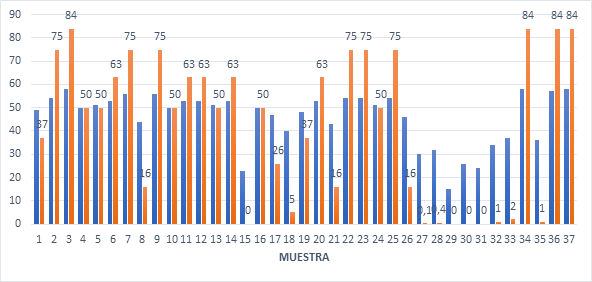
Figura 1: Of the averages, their percentile and reading accuracy equivalence.
Nota 2: Results obtained from the sample (average and percentile) of the Child Neuropsychological Assessment (ENI-2) regarding reading accuracy. The blue bars correspond to the total score and the tomato-colored bars correspond to the percentiles.
Interpretation:
In the child neuropsychological assessment applied to a group of 37 students from the 3rd, 4th, and 5th grades of Basic General Education at a private educational institution in Quito, the reading test—precision subdomain—yielded an average score of 45.97, corresponding to the 16th percentile, which is classified as a low-average level. This result suggests that decoding and reading accuracy skills show significant limitations within the analyzed sample. Valbuena et al. (2022) point out that “the promotion and encouragement of reading should be fostered during childhood and stimulated through exploratory and productive activities presented to children, arising from their own interests and experiences” (pp. 521–522), emphasizing the importance of early stimulation in reading development.
In line with this perspective, the findings indicate that the lack of constant and targeted stimulation may constitute a determining factor in the difficulties observed in strengthening reading accuracy. This deficit may, in turn, limit the development of higher-order processes such as critical analysis and reflection during text comprehension, highlighting the need to implement pedagogical strategies aimed at promoting reading from the earliest years of schooling.
Table 2
Reading Comprehension Subdomain Results
|
Mean |
Percentile |
Percentile Range |
Classification |
|
>84 |
Superior |
||
|
84 |
High average |
||
|
26-75 |
Normal or average |
||
|
16 |
Low average |
||
|
5-sept |
Límit |
||
|
33,32 |
63 |
≤ |
Very low |
Note 3. The equivalence of the Child Neuropsychological Assessment (ENI-2) for reading comprehension corresponds to a “Normal or average” level, according to the 63rd percentile.
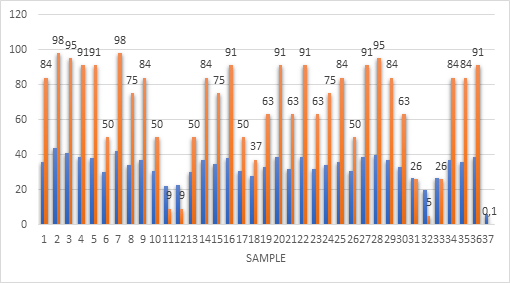
Figure 2. Mean scores, corresponding percentiles, and equivalence of reading comprehension.
Note 4. Results obtained from the sample (mean and percentile) of the Child Neuropsychological Assessment (ENI-2) regarding reading comprehension. The blue bars correspond to the total score, while the tomato-colored bars represent the percentiles.
Interpretation:
In the studied sample, results from the reading test—specifically the comprehension subdomain—showed that participants achieved an average score of 33.32, corresponding to the 63rd percentile, which falls within a normal or average level. This result suggests that most students demonstrate adequate performance in their ability to comprehend written texts.
According to Macay-Zambrano and Véliz-Castro (2019), reading comprehension is defined as “the ability to understand what is read, both in terms of the meaning of the words that make up a text and with respect to the overall understanding of the text itself” (p. 404). In this regard, the findings indicate that the evaluated children are able to accurately identify, synthesize, and analyze information, processing both the meaning of individual words and the global idea of the content presented in the different reading tasks.
Table 3
Reading Speed Subdomain
|
Mean |
Percentile |
Percentil |
Clasificación |
|
>84 |
Superior |
||
|
84 |
High average |
||
|
26-75 |
Normal or average |
||
|
16 |
Low average |
||
|
5-sept |
Límit |
||
|
17,43 |
26 |
≤ |
Very low |
Note 5. The equivalence of the Child Neuropsychological Assessment (ENI-2) for reading speed corresponds to a “Normal or average” level, according to the 26th percentile.
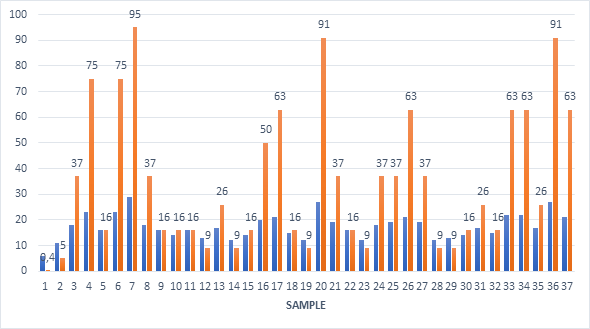
Figura 3 de los promedios, su percentil y equivalencia de velocidad lectora.
Nota 6 Resultados obtenidos de la muestra (promedio y percentil) de la Evaluación Neuropsicológica Infantil (ENI-2) en cuanto a la velocidad lectora (fluidez lectora). Las barras de color azul corresponden a la suma total y las de color tomate pertenecen a los percentiles.
Interpretation:
The study identified that the average reading speed is located at the 26th percentile, a classification considered normal or average according to the parameters of the Child Neuropsychological Assessment (ENI). This result indicates that, although students fall within an expected range, their performance does not reflect a high level of automatization in reading decoding.
Acosta et al. (2017) point out that “reading fluency can only be acquired through practice, by means of automatization in grapheme decoding, taking into account the cognitive aspects of each student; therefore, not all individuals have the same ease in performing it quickly and accurately” (p. 12). These findings support the notion that reading speed constitutes a key factor for the development of higher-order cognitive processes, such as attention, concentration, and memory, reinforcing the need to promote pedagogical strategies that strengthen reading practice from the earliest stages of schooling.
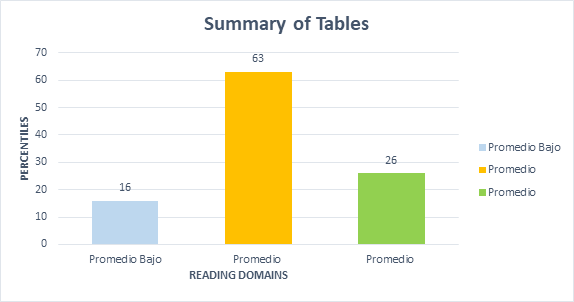
Figure 4. Summary of Data by Reading Domains
Interpretation
The analysis of the results obtained from a group of 37 students reveals relevant differences among the evaluated domains. In reading accuracy, participants were placed at the 16th percentile, corresponding to a low-average level, indicating limitations in the correct identification and decoding of words. In the reading comprehension subdomain, performance reached the 63rd percentile, considered within the expected average range. This result is consistent with the findings of González Seijas et al. (2013), who state that “phonological awareness and knowledge of letter names are, for some, an essential requirement in early education. These skills are more closely related to reading accuracy” (p. 101), suggesting that, despite adequate comprehension, accuracy difficulties may be affecting other reading processes. Finally, in reading speed, the group was positioned at the 26th percentile, corresponding to a normal or average range, although at the lower limit, which reflects the need to strengthen fluency in order to optimize reading comprehension.
Results for the Qualitative Dimension
Based on the application of the instruments and techniques described, data were obtained that reflect not only students’ level of reading performance, but also the perceptions, emotions, and attitudes associated with this experience. Information collected through interviews and observations made it possible to identify manifestations of insecurity, embarrassment, or motivation toward reading, while the application of standardized tests (in the case of the mixed-methods design) provided a more precise overview of reading skills and self-esteem. Overall, the findings offer a comprehensive perspective that facilitates understanding how reading difficulties impact the academic and socioemotional domains of the participating children.
Table 4.
Record of Verbatim Quotations Applied to
Teachers and Students
|
Fuente |
Cita textual |
Categoría de análisis |
|
Teacher 1 |
“Self-esteem is affected to some extent, as they feel they cannot read and, because of that, many children make fun of them…” |
Reading difficulties → low self-esteem |
|
Teacher 2 |
“They get upset and experience emotional difficulties… mainly because their classmates tease them about it.” |
School teasing → emotional impact |
|
Teacher 3 |
“When they have to read aloud, it causes a lot of anxiety and distrust, which also generates feelings of low self-confidence.” |
Reading aloud → anxiety / insecurity |
|
Student 1 |
“It makes me nervous, and I feel that I need to improve.” |
Reading errors → nervousness |
|
Student 2 |
“They tease me, and some of them make fun of me.” |
Peer teasing → demotivation |
|
Student 3 |
“They laugh… that makes me feel bad and insecure.” |
Peer reaction → insecurity |
|
Student 4 |
“Shame” |
Reading errors → shame |
Qualitative Results
The results obtained show that reading difficulties occur recurrently in the classroom and have a direct impact on students’ self-esteem and school participation. From the teachers’ perspective, it is observed that children who present reading delays often experience frustration and low self-confidence, especially when required to read aloud: “I feel that he gets frustrated because he knows he will struggle… and classmates want to tell him that he is not reading well” (Teacher 1). This perception is reinforced by Teacher 2, who notes that classmates’ teasing increases emotional difficulties and reduces students’ willingness to participate in class.
Similarly, students themselves acknowledge feelings of nervousness, embarrassment, or insecurity when making mistakes while reading: “It makes me nervous, and I feel that I need to improve” (Student 1); “They laugh… that makes me feel bad and insecure” (Student 3). These experiences reveal that reactions within the school environment—particularly peers’ responses—significantly influence students’ self-evaluation and their willingness to engage in academic activities.
Nevertheless, evidence of resilience and motivation also emerges. Some students report feeling proud of their achievements when they receive positive feedback: “When I gave my first public presentation, and everyone congratulated me” (Student 1). Likewise, teachers highlight the importance of encouraging reading through materials aligned with students’ personal interests, such as comics or young adult novels, which helps strengthen confidence and motivation toward reading.
Overall, these findings indicate that the relationship between reading difficulties and self-esteem is complex and shaped by the interaction between academic limitations and the emotional climate created by teachers and peers in the classroom.
Discussion
The results of this study show that in Ecuador, 16% of the sample presents a low average level in reading accuracy, a figure considerably lower than that reported in Peru (54.04%) according to Quispe et al. (2023). Despite both countries belonging to Latin America, this marked percentage difference may be related to insufficient attention given to reading instruction at early ages, a factor that directly influences the development of fundamental reading skills.
Regarding reading comprehension, Ecuador reaches 63%, a value that can be considered within an average range. However, the study Two Years After: Rescuing a Generation (World Bank & UNICEF, 2023) warns that 80% of sixth-grade students in Latin America and the Caribbean fail to understand a simple text, confirming a regional problem in this skill. Similarly, INFOBAE (2024) notes that, at the Latin American level, textual comprehension “is not as simple as it may seem” (p. 3). Although Ecuadorian data appear relatively more favorable, it remains essential to implement pedagogical strategies that promote enjoyment of reading so that reading comprehension transcends mechanical practice and becomes a meaningful activity.
With respect to reading speed, Ecuador records 26%, a percentage far below the 79.44% reported at a Chilean university by Caballero et al. (2021). This difference may be explained, among other factors, by disparities in the quality and consistency of educational processes between the two countries. It should be noted that, in the Ecuadorian context, reading is not considered a priority within educational institutions, which limits its systematic promotion. The analyzed sample consisted of students who reported reading difficulties and a lack of interest in the proposed activities. Nevertheless, efforts were made to incorporate attractive and age-appropriate materials in order to stimulate motivation and encourage participation—key elements for the development of fluent and comprehensive reading.
Conclusion
The findings of this study allow us to conclude that reading difficulties have a multifactorial origin and may be intrinsic (related to each student’s cognitive, emotional, and motivational processes) or extrinsic (linked to the family, school, and social environment). This dual dimension shows that reading cannot be understood solely as an academic skill, but rather as an integral process that affects students’ self-esteem, motivation, and school participation.
At the institutional level, the need for early involvement of teachers and families in the reading process is highlighted. The implementation of talks, workshops, and reading-promotion activities helps foster sustained habits and strategies adapted to different learning styles, thus contributing to the prevention of future difficulties. In this regard, it is essential to take advantage of available technological resources to design innovative and accessible teaching materials that reinforce learning, provided there is willingness and initiative to work collaboratively both in the classroom and at home.
Likewise, the results confirm that self-esteem and motivation play a decisive role in reading performance. Students with greater difficulties express feelings of insecurity, embarrassment, and distrust when reading aloud, whereas positive feedback, teacher guidance, and the use of engaging resources (such as comics, youth narratives, or interactive materials) strengthen confidence and resilience. Within this framework, the emotional climate of the classroom and teachers’ pedagogical skills emerge as determining factors in the construction of meaningful reading experiences.
It should be emphasized that the observed reading difficulties do not constitute an isolated problem of the institution studied, but rather reflect a nationwide challenge related to low reading habits and limited motivation toward this practice. If left unaddressed, this situation may generate negative repercussions on the academic, personal, social, and professional trajectories of children and adolescents, limiting their access to knowledge, opportunities, and critical development.
Finally, this study invites a rethinking of reading as a social and cultural practice that goes beyond school assessment parameters. Reading should be conceived as the ability to understand, reflect, and construct meaning—fundamental skills for autonomous learning and effective communication. Consequently, it is recommended to implement strategies that stimulate interest in reading by integrating technological tools, promoting recreational reading spaces, and strengthening family involvement. Only through a coordinated effort among educational institutions, families, and society will reading be consolidated as a daily habit, a source of knowledge, and an essential tool for the comprehensive development of students.
REFERENCES
Acosta, J., Desirée, M., & Morillo, T. (2017). A review study on reading fluency in early childhood education. https://n9.cl/lauvk
Acosta, R., & Hernández, J. (2004). Self-esteem in education. Límite. Revista Interdisciplinaria de Filosofía y Psicología, 1(11), 82–95. http://www.redalyc.org/articulo.oa?id=83601104
Amado, A., Fernández, A., Roche, A., Joga, L., Pías, L., Poch, M., Ramos, I., & Cardo, E. (2022). Learning disorders: Definitions. AEP Protocols, 1–10. www.aeped.es/protocolos/
Arteaga, M., Luna, H., Ramírez, C., & Navarrete, M. (2019). Importance of teaching methods in reading instruction for children with learning difficulties. Uniandes EPISTEME. Digital Journal of Science, Technology and Innovation, 6(4), 595–606. https://n9.cl/ukl86
Barrientos, L., Ruiz, M., Krahl Vitale, T., Montesano, D., & Ledezma, A. (2019). The impact of technology on reading (1st ed.). Donadello Bettina 2019 CONAIISI: VII National Congress of Computer Engineering: Information Systems. National University of La Matanza. https://n9.cl/z1kkf
Bernabeu, J. (2003). Reading: A complex activity of knowledge. Interlingüística (Asociación de Jóvenes Lingüistas), 151–160. https://dialnet.unirioja.es/servlet/articulo?codigo=918588
Borzone, A. M. (2005). Reading storybooks in kindergarten: A means for the development of linguistic cognitive strategies. Psykhe, 14(1), 193–209. https://doi.org/10.4067/S0718-22282005000100015
Caballero, G., Carbonell, F., López, J., & Villarroel, T. (2021). Remote measurement of reading speed in law students: A contribution to the rationalization of academic workload. Revista Pedagogía Universitaria y Didáctica del Derecho, 8(2), 193–212. https://doi.org/10.5354/0719-5885.2021.64735
Calero, A. (2014). Reading fluency and formative assessment. Investigaciones sobre Lectura, 1, 33–48. https://doi.org/10.37132/isl.v0i1.10
Camargo, G. S. (2010). Descriptive study of a dyslexic family and heredity as a factor. Revista Internacional de Investigación en Ciencias Sociales, 6, 7–36. https://n9.cl/eyckd
Carrero Barril, F. (2015). Situation models in text comprehension among individuals with hearing impairment. University of Málaga. https://n9.cl/wjsbf
Cassany, D. (2006). Between the lines: On contemporary reading. Technological University of Pereira. https://n9.cl/gej0
Corrá, F., Zambianchi, E., Melero Rodríguez, C. A., & Banzato, M. (2012). Dyslexia in adulthood. Università Ca’ Foscari Venezia. https://n9.cl/4mfn9
Chavaría, J., Loor, R., Zambrano, G., & Zambrano, S. (2025). Effective strategies to promote reading in children and adolescents. Ciencia Latina Revista Científica Multidisciplinar, 9(1), 7425–7441. https://doi.org/10.37811/cl_rcm.v9i1.16417
Domínguez, I., Rodríguez, L., Torres, Y., & Ruiz, M. (2015). The importance of reading and the formation of reading habits in initial teacher training. Estudios del Desarrollo Social: Cuba y América Latina, 3(1), 94–102. http://www.redalyc.org/articulo.oa?id=552357190012
Echevarría, M., & Gastón, I. (2000). Reading comprehension difficulties in university students. Revista de Psicodidáctica, 10, 1–16. http://www.redalyc.org/articulo.oa?id=17501006
El Telégrafo. (2014). Low interest in reading. El Telégrafo, the digital dean. https://www.eltelegrafo.com.ec/noticias/regional/1/poco-interes-por-la-lectura
Fumagalli, J., Barreyro, J. P., & Jaichenco, V. (2017). Levels of reading fluency and text comprehension. Revista Latinoamericana de Lectura y Escritura, 4(8), 163–186. https://dialnet.unirioja.es/servlet/articulo?codigo=6895480
González Seijas, R. M., López Larrosa, S., Vilar Fernández, J., & López-Vázquez, A. (2013). Study of predictors of reading. Revista de Investigación en Educación, 11(2), 98–110. http://webs.uvigo.es/reined/
Hidalgo-Fuentes, S., Martínez-Álvarez, I., & Sospedra-Baeza, M. J. (2022). Self-esteem and procrastination in the academic context: A meta-analysis. Revista Fuentes, 24(1), 77–89. https://doi.org/10.12795/revistafuentes.2022.19907
Jiménez, J., & Labrador, F. (2012). Dyslexia in Spanish: Prevalence and cognitive, cultural, family, and biological indicators (1st ed.). Pirámide. https://clea.edu.mx/biblioteca/files/original/5b672b9dabdb3efa59e16471735c028a.pdf
Jiménez, J., & González, T. (2023). The evolutionary hypothesis in the functional analysis of dyslexia: A linguistic approach to a twin case study. Lengua y Sociedad. Revista de Lingüística Teórica y Aplicada, 22(2), 65–103. https://doi.org/10.15381/lengsoc.v22i2.24582
Laureano, R., García, B., & Ramos, G. (2010). Risk factors for difficulties in learning reading and writing. Enfermería Neurológica, 9(1), 17–19. https://www.medigraphic.com/pdfs/enfneu/ene-2010/ene101e.pdf
Lojano Alvarado, A. D., & Solórzano, F. (2017). How self-esteem influences students’ academic performance. Salesian Polytechnic University. https://dspace.ups.edu.ec/bitstream/123456789/14319/1/UPS-CT007031.pdf
Luna, M. E., Vestfrid, M., De Andrea, P., & Legarralde, T. (2021). An introduction to human genetics (pp. 64–116). UNLP Press. www.memoria.fahce.unlp.edu.ar
Macay-Zambrano, M. E., & Véliz-Castro, F. Z. (2019). Levels of reading comprehension in university students. Polo del Conocimiento, 4(3), 401–415. https://dialnet.unirioja.es/descarga/articulo/7164280.pdf
Ministry of Education. (2025). 3…2…1… Back to the classroom! https://educacion.gob.ec/wp-content/uploads/downloads/2025/08/lineamientos-volvemos-al-aula.pdf
Monroy, Y. L. (2018). The sociocultural context in early reading practices. Externado University of Colombia. https://n9.cl/965mu
Montealegre, R., & Forero, L. A. (2006). Development of literacy: Acquisition and mastery. Acta Colombiana de Psicología, 9(1), 25–40. http://www.redalyc.org/articulo.oa?id=79890103
Montes-Hidalgo, J., & Tomás-Sábado, J. (2016). Self-esteem, resilience, locus of control, and suicide risk in nursing students. Enfermería Clínica, 26(3), 188–193. https://doi.org/10.1016/j.enfcli.2016.03.002
Munita, F. (2016). Teaching practices, beliefs, and teachers’ reading practices in a school successful at promoting reading. OCNOS, 15(2), 77–97. https://doi.org/10.18239/OCNOS_2016.15.2.1140
Naido. (1981). Reading assessment. https://n9.cl/6e10r
Obaco Soto, E. E., Vega Merchan, K. M., Valverde Mata, S. D., & Lara Lara, F. (2023). Factors generating disinterest in reading: A descriptive study. Ideas y Voces, 3(1), 30–47. https://doi.org/10.60100/bciv.v3i1.33
Ordóñez-Iriarte, J. M. (2020). Mental health and environmental health: A prospective view. Gaceta Sanitaria, 34(S1), 68–75. https://doi.org/10.1016/j.gaceta.2020.05.007
Parada, N., Valbuena, C., & Ramírez, G. (2018). Self-esteem in the educational process: A challenge for teachers. Educación y Ciencia, 19, 127–144. https://doi.org/10.19053/01207105.7772
Pérez Payrol, V. B., Baute Rosales, M., & Espinoza de los Monteros, M. L. (2018). Reading habits: An urgent necessity among education sciences students. Universidad y Sociedad, 10(1), 180–189. http://rus.ucf.edu.cu/index.php/rus
Pérez Villalobos, H. (2019). Self-esteem: Theories and their relationship with personal success. Alternativas en Psicología, 41, 22–32. https://n9.cl/y4r28
Piqueras, J., Ramos, V., Martínez, A., & Oblitas, L. (2009). Negative emotions and their impact on mental and physical health. Suma Psicológica, 16(2), 85–112. http://www.redalyc.org/articulo.oa?id=134213131007
Quiroga, M. del P. (2011). The impact of new technologies and new forms of interaction on development. Revista de Psicología Educativa, 17(2), 147–161. https://doi.org/10.5093/ed2011v17n2a3
Quispe, Y., Montufar, J., Pilco, D., Mamani, F., Capaquira, A., & Loayza, C. (2023). Reading fluency in students of the fourth and fifth cycles of primary education. Ciencia Latina Revista Científica Multidisciplinar, 7(6), 5924–5935. https://doi.org/10.37811/cl_rcm.v7i6.9132
Ramírez, M. (2010). Teaching reading and writing: Cognitive processes. International Journal of Developmental and Educational Psychology, 3(1), 479–485. http://www.redalyc.org/articulo.oa?id=349832326052
Rodríguez-Saltos, E. R., Moya-Martínez, M. E., & Rodríguez-Gámez, M. (2020). The importance of teacher–student empathy as a strategy for academic development. Revista Científica Dominio de las Ciencias, 6(2), 23–50. https://n9.cl/rgmer
Romero Pérez, J. F., & Lavigne Cerván, R. (2004). Learning difficulties: Unification of diagnostic criteria. TECNOGRAPHIC, S.L. https://www.uma.es/media/files/LIBRO_I.pdf
Ruiz, C., Sazo, E., & Gálvez, J. (2014). Inter-American Society of Psychology: An international organization. Interamerican Journal of Psychology, 48(2), 212–222. http://www.redalyc.org/articulo.oa?id=28437146008
Sánchez, L., Ordóñez, J., & Bustamante, M. (2022). Early detection. MENDIVE. Revista de Educación, 20(3), 944–952. https://n9.cl/eh1eb
Sánchez, I., & Valdivieso, J. (2020). Development of phonological awareness through ICT: A speech therapy intervention proposal. University of Valladolid. https://n9.cl/vzsfr
Santiuste, V., & López, C. (2005). New contributions to intervention in reading difficulties. Universitas Psychologica, 4(1), 13–22. http://www.redalyc.org/articulo.oa?id=64740102
Simbaña Gallardo, V. P., Santillán Jiménez, R. A., Ramírez Conchambay, A. M., & Pilaguano Pullopaxi, M. M. (2021). Reading strategies for the development of critical thinking. Tsafiqui – Revista Científica en Ciencias Sociales, 12(17), 86–96. https://doi.org/10.29019/tsafiqui.v12i17.921
Snowling, M. J., & Hulme, C. (2012). Interventions for children’s language and literacy difficulties. International Journal of Language & Communication Disorders, 47(1), 27–34. https://doi.org/10.1111/j.1460-6984.2011.00081.x
Solé, I. (1998). Reading strategies. Graó. https://n9.cl/3fjy
Sumba Portilla, A. M., & Lima Machuca, B. (2016). Learning difficulties in language and literature among seventh-grade students of Basic General Education. Salesian Polytechnic University. https://n9.cl/6gkr8
Tamayo, S. (2017). Dyslexia and difficulties in the acquisition of reading and writing. Revista de Currículum y Formación del Profesorado, 21(1), 423–432. https://doi.org/10.30827/profesorado.v21i1.10372
Valbuena España, C. E., Alvarado Pereira, G. J., & Mora Tovar, V. J. (2022). Creative strategies for promoting reading. Revista Ciencias de la Educación, 32(60), 518–540. http://servicio.bc.uc.edu.ve/educacion/revista/60/art04.pdf
Vázquez Borges, E., Gazca, S., & Méndez, R. (2019). Influence of reading on the academic performance of students in exact sciences and engineering at the Autonomous University of Yucatán. Revista Académica Ingeniería, 23(2), 1–16. https://www.redalyc.org/journal/467/46760454001/html/
Wolf, M. (2007). How we learn to read: The story and science of the reading brain. https://pdfcoffee.com/maryanne-wolf-pdf-free.html
Conflicts of Interest
The authors declare no conflicts of interest.