The effect of sterilization on canine behavior: Perceptions and realities in Guayaquil, Ecuador
Article Sidebar
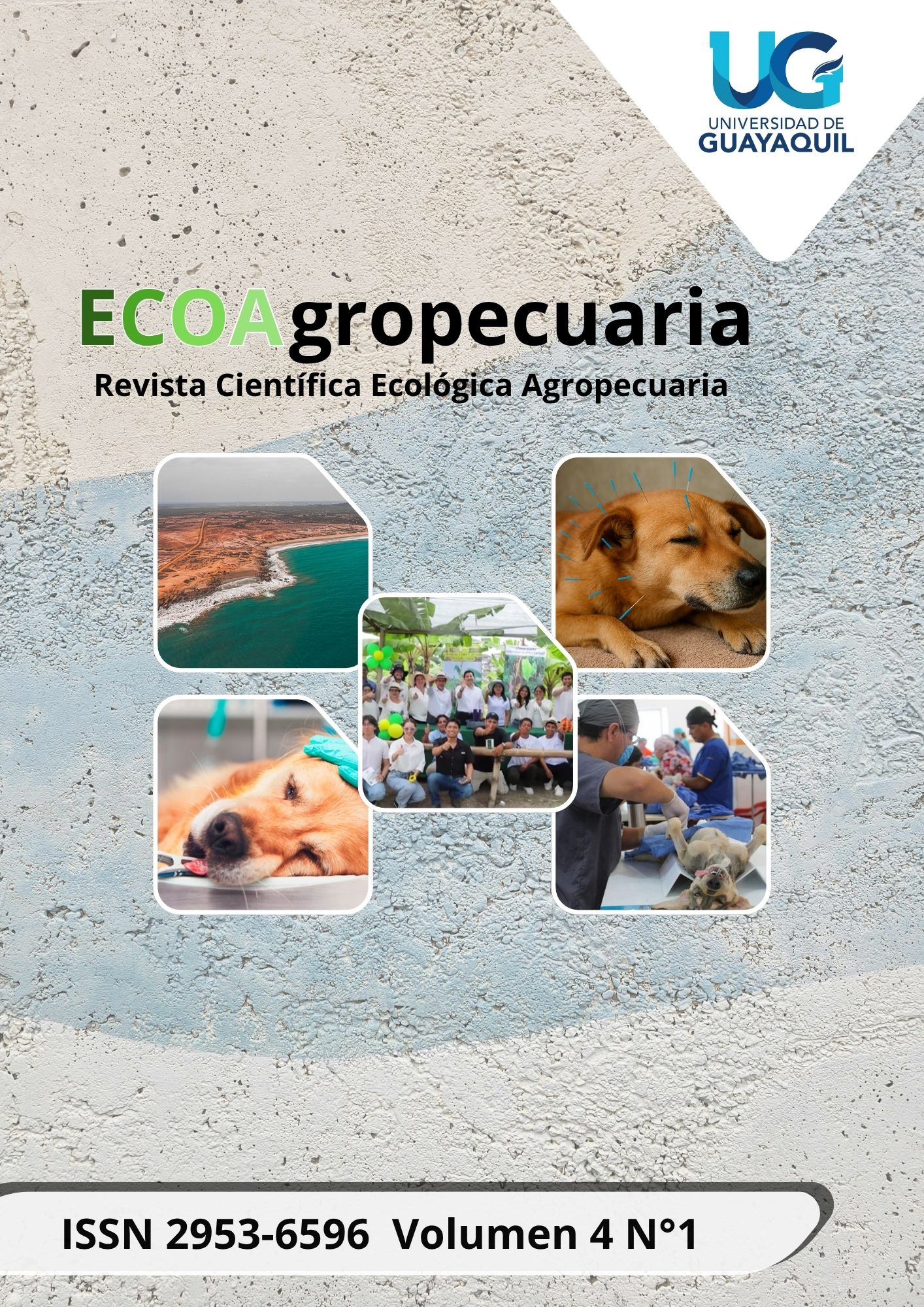
Main Article Content
Abstract
Sterilization is a key practice in veterinary medicine, used for population control, for animal welfare and in many cases it is used to solve behavioral problems such as aggression. This study analyzes the impact on physical, psychological and mainly behavioral aspects. The methodological approach included a literature review and the collection of tutors' perceptions through surveys, with a well-structured questionnaire with Likert scales whose validation was performed by means of Cronbach's Alpha Coefficient which gave a result of 0.87. The results indicated that 51.46% of the guardians perceive a positive impact on the health and welfare of their pets and 34.65% highlight improvements in behavior after sterilization. This work concludes that sterilization, responsibly applied, is an integral strategy to improve the quality of life of dogs and to favor coexistence with their guardians.
Downloads
Article Details
Section

This work is licensed under a Creative Commons Attribution-NonCommercial-NoDerivatives 4.0 International License.
Los nombres y las direcciones de correo electrónico introducidos en esta revista se usarán exclusivamente para los fines establecidos en ella y no se proporcionarán a terceros o para su uso con otros fines.