Jorge Iver Vicente Ycuñaa, Nestor Dennis Garcia Ocañaa, Luz de los Angeles Davalos Zeladaa, María Belen Morales Colquea, Rocio Noemi Choque Lópeza
aIndustrial Engineering Program, National Faculty of Engineering, Universidad Técnica de Oruro, Oruro-Bolivia
Corresponding author: jorge.vicente@doc.uto.edu.bo
Vol. 05, Issue 01 (2026): January-June
ISSN-e 2953-6634
ISSN Print: 3073-1526
Submitted: April 28, 2026
Revised: June 04, 2026
Accepted: June 23, 2026
Vicente, J., et al. (2026). Portable Non-Invasive Rapid-Response Optical Device for the Detection of Pesticide Residues in Quinoa Using Reflectance Spectrometry. EASI: Engineering and Applied Sciences in Industry, 5(1), 52-62. https://doi.org/10.53591/easi.V3i2.3280
Following the pandemic, healthy food has been increasingly recognized as a fundamental human right. However, regardless of its nutritional value, food becomes a health risk when contaminated. In this context, quinoa, produced in the Department of Oruro and marketed nationally and internationally, faces concerns regarding pesticide use to maximize production, as residues may adversely affect human health and contribute to cancer development. Given the lack of rapid and accessible detection methods, a portable handheld device was designed and developed to provide rapid, non-invasive detection at a relatively low manufacturing cost compared to specialized equipment and conventional laboratory methods. The experimental study analyzed 25 organic quinoa samples and 25 conventional samples. Using Principal Component Analysis (PCA) and threshold analysis, a weighted sum value of 1170 was established as the divergence threshold. The results validated the feasibility of the reflectance spectrometry-based device, promoting technological innovation in food safety.
Keywords: Food safety, Pesticide residues, Reflectance spectroscopy, Quinoa, Multivariate analysis.
Tras la pandemia, la población comprende que la alimentación saludable es un derecho humano; sin embargo, un alimento altamente nutritivo puede convertirse en un riesgo si está contaminado. En este contexto, la quinua, producida en el Departamento de Oruro y comercializada a nivel nacional e internacional, enfrenta una preocupación asociada al uso de pesticidas para maximizar la producción, cuyos residuos pueden provocar efectos adversos en la salud e incluso contribuir al desarrollo de cáncer. Ante la ausencia de métodos de detección rápidos y accesibles, se diseñó y desarrolló un dispositivo portátil de mano, de respuesta rápida, no invasivo y de bajo costo de fabricación en comparación con equipos especializados y métodos convencionales de laboratorio. En la fase experimental se analizaron 25 muestras de quinua orgánica y 25 de quinua convencional. Mediante análisis de componentes principales y análisis de umbrales, se estableció una suma ponderada de 1170 como umbral de divergencia, validando la viabilidad del dispositivo basado en espectrometría de reflectancia para la innovación en inocuidad alimentaria.
Palabras clave: Seguridad alimentaria, Residuos de plaguicidas, Espectroscopia de reflectancia, Quinua, Análisis multivariante.
In the aftermath of the pandemic, the general population has increasingly adopted the consumption of healthy foods as part of daily life, with the aim of strengthening individual health and ensuring access to safe foods that do not pose risks to consumers. Ensuring food safety throughout the supply chain, from primary production to the final consumer, is a fundamental responsibility shared by all stakeholders. In this context, quinoa is one of the most important healthy foods. It is considered a pseudocereal belonging to the Amaranthaceae family and is distinguished from cereals such as rice, maize, oats, barley, and wheat by its exceptional nutritional profile. It is characterized by a high protein content (16%) and contains eight essential amino acids for humans, including lysine and methionine. In addition, quinoa provides high-quality unsaturated fatty acids, including omega-9, omega-6, and omega-3, which help prevent cholesterol accumulation. Furthermore, it is an excellent source of energy and dietary fiber (7%) and contains significant amounts of minerals such as iron (35%), phosphorus (65%), magnesium (55%), zinc, and other trace elements (Quispe et al., 2022). These attributes make quinoa superfood, and it is noteworthy that it has even been consumed by astronauts during NASA space missions (Crespo, 2023).
Quinoa cultivation has endured over time due to its remarkable adaptation to diverse soil and climatic conditions, demonstrating agronomic resilience to frost, drought, and saline soils. This adaptability has enabled its expansion to more than 70 countries, with global production continuing to grow. However, quinoa production, particularly in high Andean regions, has experienced increased application of organophosphate, carbamate, and pyrethroid pesticides because of agricultural intensification and pest control requirements. In addition to public health concerns, pesticide use contributes to environmental contamination affecting water, soil, and other ecosystems, highlighting the need to promote sustainable agricultural practices and strengthen environmental sustainability. The global distribution of quinoa has changed significantly over the last century. From being cultivated in only six countries, it is now present in more than 120 countries worldwide. This expansion has been driven by growing consumer interest, market development, research, and promotional initiatives (Alandia et al., 2020).
From an international regulatory perspective, both the European Union’s Rapid Alert System for Food and Feed (RASFF) and the United States Food and Drug Administration (FDA) Product Recall System have reported notifications involving the withdrawal of quinoa products contaminated with pesticide residues exceeding permissible limits. Such situations may require exporters to make costly decisions, including product incineration, disposal at sea, or the return of contaminated shipments to the country of origin. Conventional methods for detecting pesticide residues and metabolites primarily include gas chromatography (GC), high-performance liquid chromatography (HPLC), and chromatography–mass spectrometry (MS). These analytical techniques provide high sensitivity, accuracy, precision, and reliability. However, their limitations include complex sample preparation and pretreatment procedures, high operational costs, the need for specialized personnel, and lengthy analysis times. Consequently, they do not adequately satisfy industrial requirements for rapid, real-time, and low-cost detection. Therefore, the development of technologies for the rapid detection of pesticide residues has become increasingly necessary (Lingyuan et al., 2022).
From a toxicological and environmental perspective, pesticide classification influences environmental persistence, leaching potential, and bioaccumulation risk. Pesticides are categorized as contact, translaminar, or systemic. Contact pesticides present lower risks of systemic contamination but greater volatility, whereas systemic pesticides, despite their effectiveness, involve higher ecological and toxicological risks due to their mobility and metabolic stability. Understanding pesticide modes of action is therefore essential for both agronomic practices and the design of optical detection devices, which must consider electromagnetic radiation penetration and residue location within plant tissues (Tomlin, 2022). In addition, colorimetric sensors have become valuable tools for in situ detection and quantification of analytes through color changes. Their simplicity, cost-effectiveness, and visual readouts make them suitable for food safety applications. Effective signal interpretation relies on color models such as CIELAB, RGB, and HSV, which are widely used in portable colorimetric sensing systems (Mazur et al., 2024).
Likewise, Naresuan University, Thailand, developed a portable near-infrared (NIR) spectrometer capable of detecting reflected residue intensity within the 410–940 nm wavelength range using the AS7265x chipset. The system also collects and analyzes normalized spectral signals through the ESP32-WROVER-B microprocessor to identify four pesticide residues: carbendazim, cypermethrin, diazinon, and imidacloprid. Experimental results obtained from forty residue samples collected from basil leaves and chili peppers in local markets of Phitsanulok Province demonstrated that the NIR spectrometer correctly identified the analyzed pesticide residues and exhibited greater stability, consistency, and accuracy than the thin-layer chromatography method used by the central laboratory (Yaemsuk & Yammen, 2024). Similarly, near-infrared reflectance spectroscopy (NIRS) was considered due to its rapid and non-destructive nature and its widespread application in food quality assessment, providing valuable information for evaluating food product quality attributes (Haiyan & Yong, 2007).
At the national level, preliminary studies conducted by the Agrecol Andes Foundation have confirmed the presence of pesticide residues in staple food products at the third stage of the food supply chain. According to the report, governmental measures within the framework of international trade have not been sufficiently effective, as a 0% tariff rate facilitates the importation of highly hazardous pesticides. The first assessment revealed that 48% of the samples analyzed contained residues such as cypermethrin, chlorfenapyr, and clothianidin in wheat, maize, lettuce, tomato, and potato. The second assessment identified pesticide residues in 39% of the samples, including cypermethrin, difenoconazole, and tebuconazole, in celery, tomato, wheat, lettuce, maize, and potato. In both assessments, the detected pesticides were classified as carcinogenic. These findings remain unpublished and are currently under review by the Foundation. In this context, the study addresses how food safety in quinoa consumption can be ensured despite the limitations of current pesticide detection methods. Therefore, the objective is to design and develop a portable, non-invasive, rapid-response optical device for detecting pesticide residues in quinoa using reflectance spectrometry, contributing to technological innovation in food safety and public health protection.
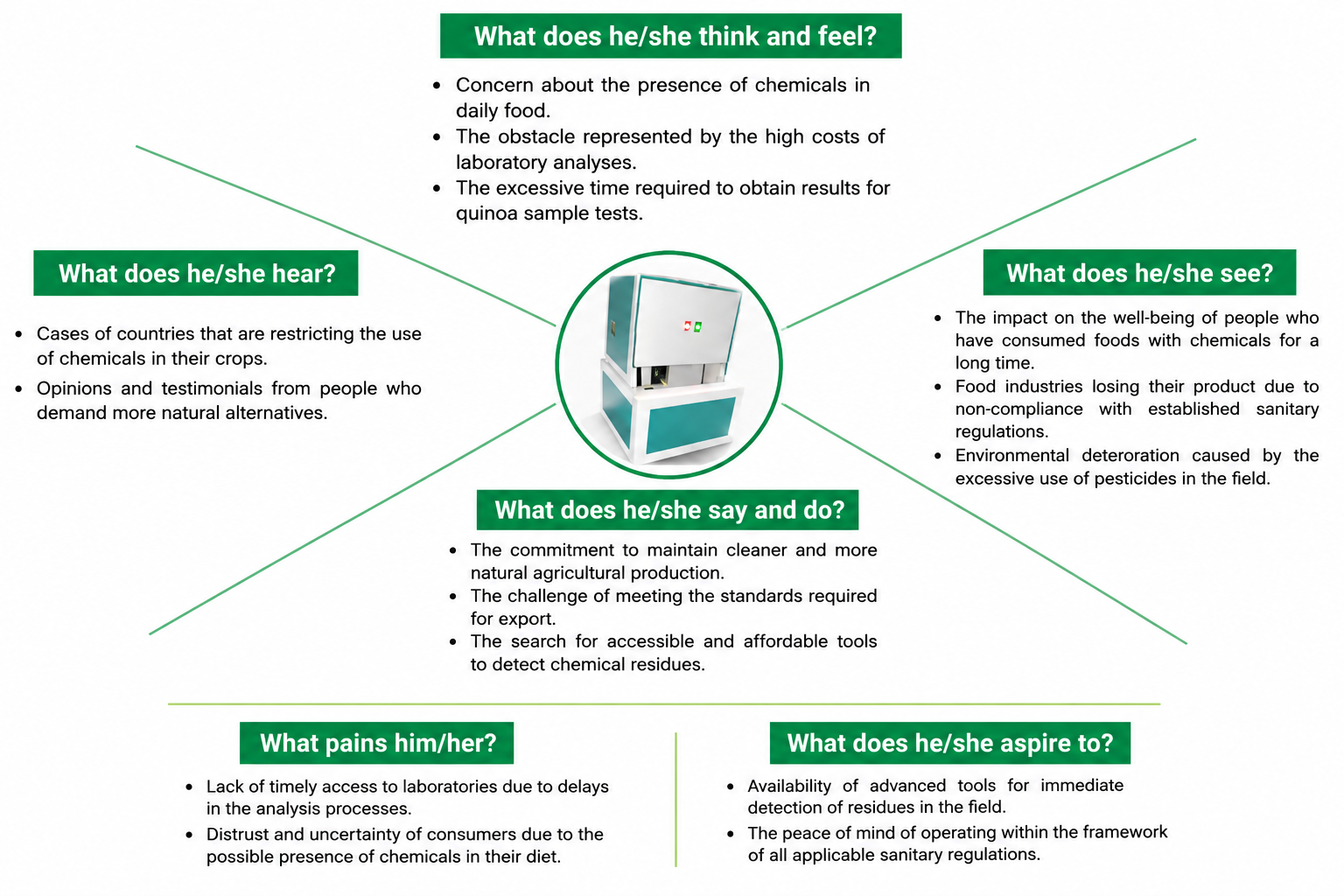
To define the product concept, a roundtable discussion was conducted with 25 quinoa producers, during which topics related to pesticide use and the need for a rapid pesticide detection device were discussed. The discussion revealed a critical gap between the quality control requirements imposed by international markets and the technological capabilities currently available in field conditions. Figure 1 presents the empathy map, which integrates the convergence of the participants’ perspectives regarding the context described above.
The present study was conducted experimentally using 25 samples of organic quinoa certified by CERESCERT S.R.L., an entity registered with SENASAG in accordance with National Law 325/06 of the Ministry of Rural Development and Lands, and 25 samples of conventional quinoa. Both sample groups corresponded to the white ecotype cultivated in the Intersalar region of Ladislao Cabrera Province, Salinas de Garci Mendoza Municipality, and were obtained from the 2025 harvest. As an essential characteristic, the conventional quinoa samples were treated with cypermethrin as the active ingredient, which is classified according to its mode of application as a translaminar pesticide and was applied in the field at a concentration ratio of 1:10. The materials used in this study are described in Table 1.:
Table 1. Core constructs of the conceptual model for intelligent urban traffic management
| Materials |
Specifications |
|---|---|
| Arduino Uno Microcontroller |
Frequency: 16 MHz; Flash memory: 32 KB; SRAM: 2 KB; Operating voltage: 5 V DC; Interface: I²C (100 kHz) |
| TCS34725 Optical Sensor |
Colorimetric photodetector; Channels: R (λ≈615 nm), G (λ≈525 nm), B (λ≈465 nm), C (380–700 nm); Dynamic range: 3,800,000:1 |
| Breadboard |
400 tie points; white color; ABS plastic material; Maximum voltage: 36 V; Maximum current capacity: 3 A; Self-adhesive |
| Red LED Indicator |
Voltage: 1.7–3.2 V; Current: 20 mA; Current-limiting resistor: 220 Ω; Diameter: 5 mm |
| Green LED Indicator |
Voltage: 1.7–3.2 V; Current: 20 mA; Current-limiting resistor: 220 Ω; Diameter: 5 mm |
| 2 × 220 Ω Resistors |
Tolerance: 5% |
Source: Own elaboration, (2025)
The operating principle is based on measuring the intensity of light reflected or absorbed by each red, green, and blue color channel, as well as the clear channel, which measures incident or transmitted light. In addition, the sensor incorporates an infrared-blocking filter that improves measurement accuracy by reducing light interference, following the principle of reflectance spectrometry.
Prior to experimentation, the experimental design was structured around independent variables, including the type of quinoa sample (organic and conventional) and the ecotype represented by white, red, and black quinoa. In contrast, the dependent variables corresponded to the values obtained from the R (Red), G (Green), B (Blue), and C (Clear) channels. Furthermore, cross-validation was performed using a 70% training set and a 30% validation set to support the reliability of the results obtained by the device. To strengthen the experimental analysis, statistical significance between organic and conventional samples was assessed using Student’s t-test, yielding a value of −10.6, which indicates a highly significant difference between the sample groups and supports effective discrimination through spectral signatures.
For data acquisition, a 1 kg bulk quinoa sample was homogenized and quartered to obtain a representative 50 g sample. The sample was then introduced into the device, allowing the optical sensor to measure the reflected light captured by the photodiodes in the three-color channels and the clear channel. Since contact and translaminar pesticide residues alter the surface color of the grain, they generate differences in reflectance, enabling comparison between organic and conventional quinoa samples.
The structure of the portable non-invasive rapid-response optical device for detecting pesticide residues in quinoa is based on the TCS34725 optical sensor. This digital color sensor is used in conjunction with an Arduino microcontroller to obtain RGB color measurements from an object or light source. The sensor incorporates an infrared filter, which enhances measurement accuracy by reducing environmental noise interference. Both the integration time and gain can be adjusted through software. In addition, the sensor offers high sensitivity and a wide dynamic range of 3,800,000:1, enabling operation even through dark glass surfaces (Llamas, 2021).
When the sensor acquires the RGB values of a quinoa sample, these values are transmitted to the device, which determines whether the sample is contaminated. If the threshold exceeds the weighted average sum of the four readings, equivalent to 1170, the sample is classified as contaminated. The device can also be connected directly to a power supply or to a computer, allowing detailed observation of the wavelength response of the red, green, and blue channels, as well as the clear channel, which measures incident or transmitted light that is reflected or absorbed.
Figure 2 illustrates the general scheme of the portable non-invasive rapid-response optical device for the detection of pesticide residues in quinoa.
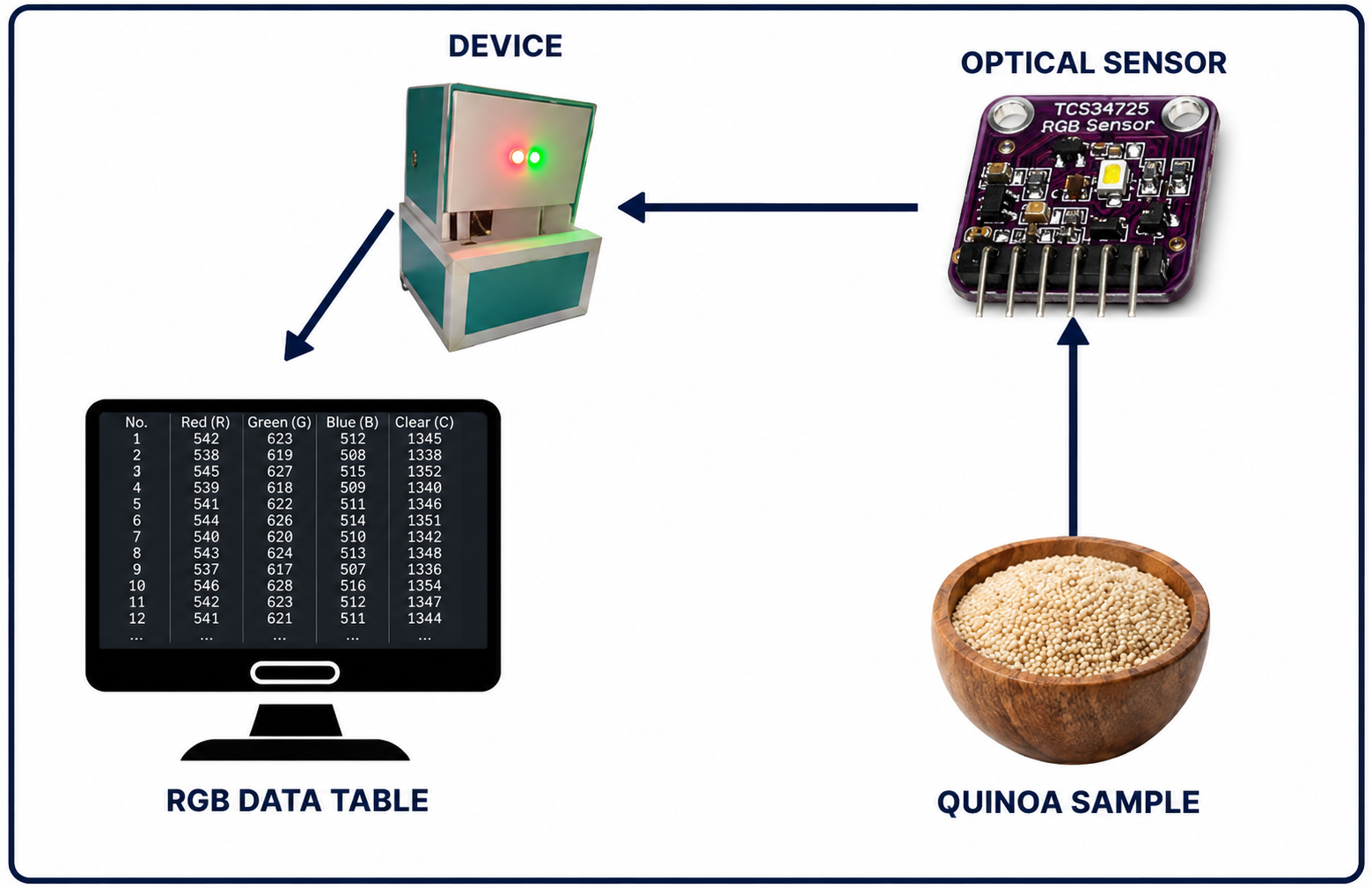
Figure 2 presents the functional architecture of the portable optical device designed for the rapid and non-invasive detection of pesticide residues in quinoa samples. The system consists of three main components: the quinoa sample, the device integrated with the optical sensor, and the data processing and storage unit. The theoretical foundation of the device is based on the interaction between electromagnetic radiation and the surface of the quinoa grain, where the presence of pesticide residues alters the spectral patterns. These spectral variations generate characteristic values that enable the identification of contaminated food products.
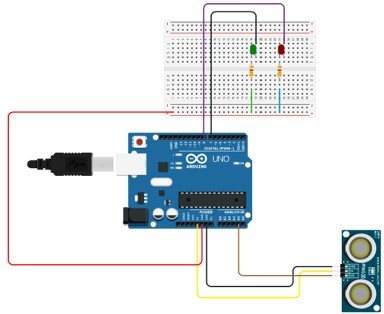
With reference to the internal architecture composed of electronic elements systematically organized to obtain a reliable optical reading, it can be seen in figure 3:
Prior to operation, the procedure for using the device is described as follows:
a.- Initially, connect the device’s USB cable to a power source compatible with a 220 V AC supply.
b.- Prepare the quinoa sample and place it through the opening of the sample chamber into the inlet or intermediate cavity designated for measurement.
c.- After correctly positioning the quinoa sample in the sensing area, ensure that the sample is in full contact with the sensor surface and verify that the sample chamber is properly closed.
d.- Once verification is completed, proceed with the optical measurement. Based on the threshold analysis, a green indicator light signifies the absence of pesticide residues, whereas a red indicator light indicates the presence of pesticides. Simultaneously, color-channel values are displayed when the device is connected to a computer.
e.- After the measurement is completed, carefully remove the sample from the sensor to prevent cross-contamination, and subsequently perform internal cleaning of both the sensor and the device.
The results obtained from the experimental test of 25 organic samples using Minitab software for principal component analysis and threshold analysis are visualized in Figure 4:
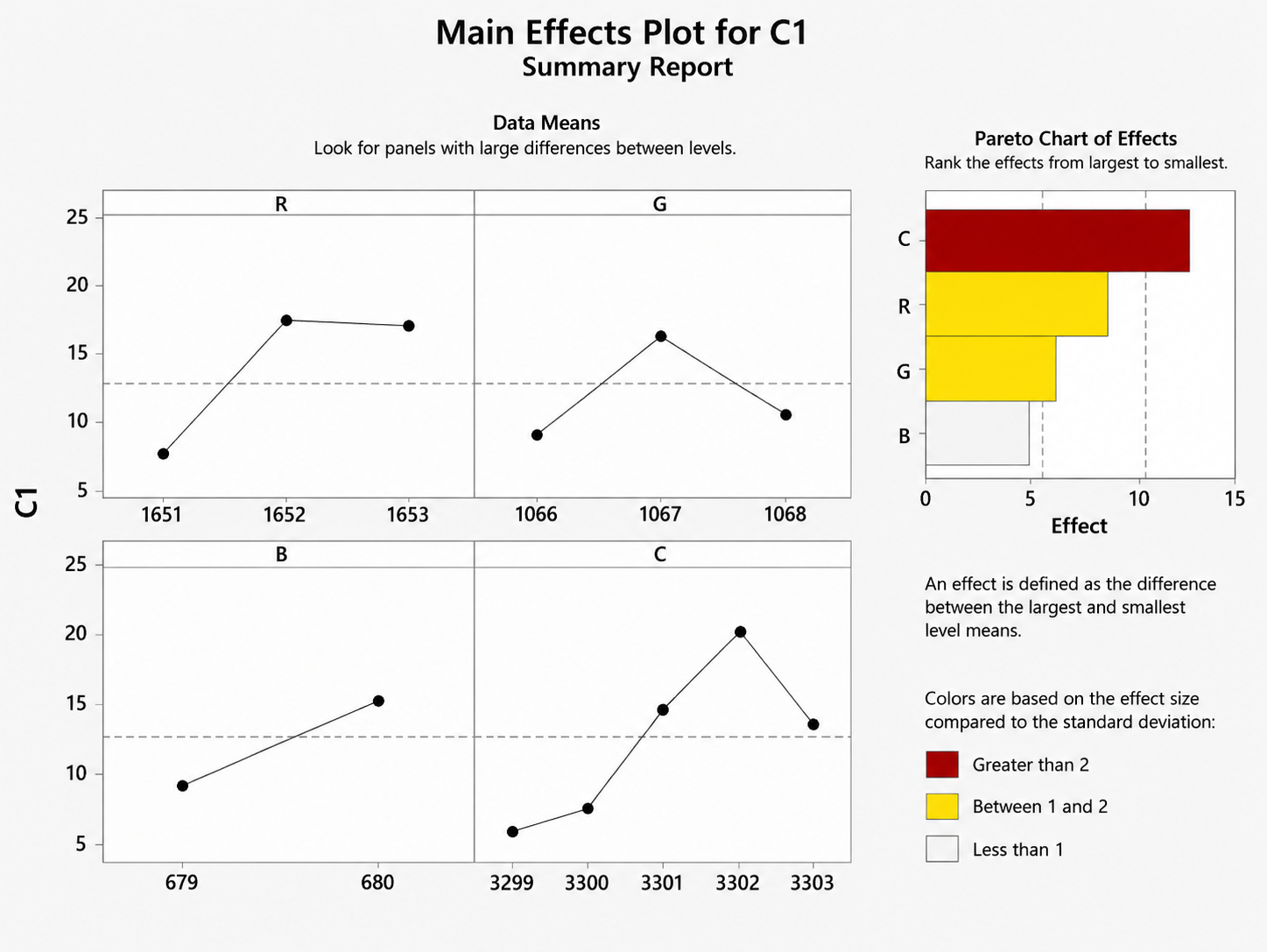
Regarding the main effects analysis, the plots indicate that factor C (Clear) exerts the greatest influence on organic quinoa samples. In contrast, factors R (Red), G (Green), and B (Blue) show lower levels of influence. Similarly, the Pareto chart reveals that factor C is the most statistically significant variable among the evaluated factors. On the other hand, the 25 conventional quinoa samples were analyzed, and the results obtained are presented in Figure 5.
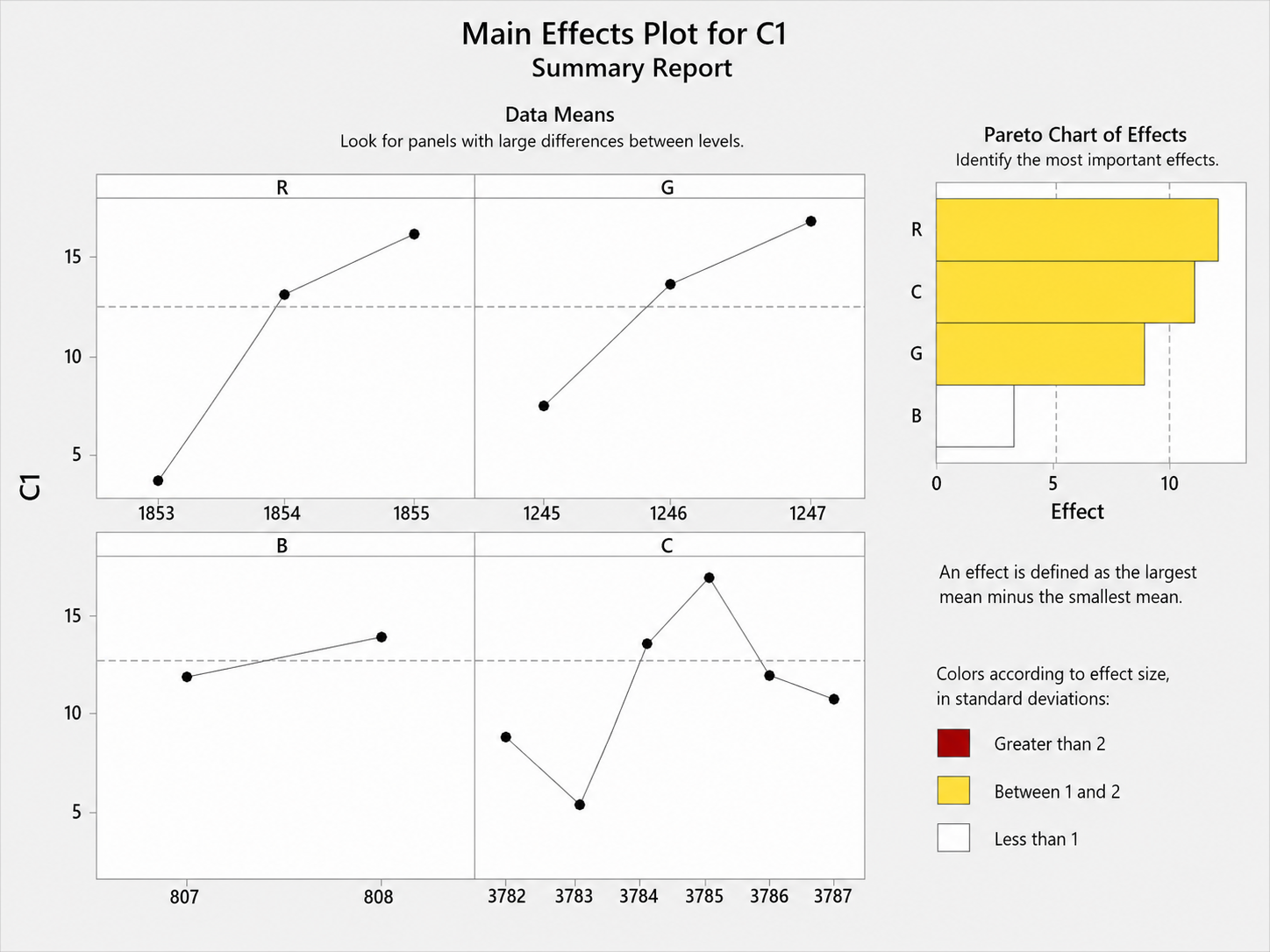
Based on the plots obtained through the main effects analysis of the conventional quinoa samples, it was confirmed that factor R (Red) exerted the greatest influence on the experimental results. Nevertheless, the remaining factors also contributed to the determination of the values generated by the device. The Pareto chart further revealed the significant participation of factors R (Red), C (Clear), and G (Green). Accordingly, the results demonstrate that the reflectance spectrometry-based device exhibits a divergent discrimination capability between organic and conventional quinoa samples, supported by 99.70% of the explained variance in the principal component analysis and the establishment of a threshold value of 1170. These findings indicate a coherent and scientifically grounded approach to optical detection. From the perspective of colorimetric sensors, the obtained results are consistent with those reported by Meng et al. (2015), who demonstrated the quantification of organophosphorus pesticides through detectable variations in optical signal intensity within a colorimetric system. This supports the validation of the observed changes in the sensor channels resulting from physicochemical alterations caused by pesticide residues. Such changes are based on the interaction between electromagnetic radiation and pesticide residues, generating measurable modifications in surface spectral characteristics.
Complementarily, Li et al. (2024) reported that modern colorimetric sensors combined with chemometric techniques can establish behavioral patterns associated with specific pesticides. In this context, Principal Component Analysis (PCA) constitutes a statistical tool capable of analyzing and evaluating data, identifying significant variability, and establishing a consistent spectral signature. However, despite the depth of the analysis performed, threshold determination represented the most appropriate functional approach, while also revealing opportunities for the future application of more advanced statistical models. Consistent with the findings of Soltani Nazarloo et al. (2021), the integration of VIS/NIR spectroscopy with multivariate analysis facilitates the detection of pesticide residues in food products. Their study demonstrated that organophosphorus residues modify the optical properties of plant tissues, generating divergent spectral patterns. Similarly, the results of the present study revealed a dominant difference in the clear channel for organic samples, whereas the red channel exhibited the greatest influence in conventional samples.
It is important to emphasize the relevance of the environmental and economic impacts associated with pesticide use. Pimentel and Burgess (2014) argue that the recurrent application of pesticides generates adverse effects ranging from environmental degradation and economic losses to risks to public health. In this context, the developed device enables pesticide detection as part of a preventive risk management strategy within the food supply chain, optimizing resources such as time, cost, and distance while enhancing quality control in both national and international markets. Based on the scientific literature discussed above, the proposed device can be considered a viable technological alternative to conventional methods. Furthermore, it offers the potential for integration with advanced chemometric models capable of identifying, classifying, and quantifying pesticide types with greater accuracy.
The Principal Component Analysis (PCA) revealed that the first principal component accounted for 99.70% of the total variation, demonstrating its dominant contribution compared with the remaining components in the experimental analysis. The threshold value, defined as the experimental reference means, was established through threshold analysis using a divergent sample within a repeatability and reproducibility assessment framework. Following the statistical guidelines of ISO 5725, the coefficient of variation was calculated at 4.4%, indicating satisfactory instrumental stability and consistency throughout the experimental process. Based on these results, a threshold value of 1170 was established as the weighted sum of the four sensor readings, enabling discrimination between contaminated and organic samples. The validity of the results is supported by the certified organic status of the organic quinoa samples. Certification was granted by CERESCERT S.R.L., an independent international certification body registered with SENASAG under National Law 325/06 of the Ministry of Rural Development and Lands. This certification ensures compliance with good agricultural practices and guarantees organic production throughout all activities associated with the first stage of the food supply chain.
Currently, the detection of contaminated food products is costly and typically requires specialized equipment. Therefore, the technological alternative presented in this study is suitable for use by producers, consumers, and laboratories alike, enabling the identification of contaminated samples and supporting the development of advanced mathematical models. Nevertheless, regulatory guidelines must be established to control these parameters and ensure food safety, thereby protecting public health. In regions such as the United States and Europe, preventive approaches based on risk assessment and management of contaminated foods are already implemented, while several Latin American countries continue to harmonize monitoring protocols with international standards. Finally, this research contributes directly to the United Nations Sustainable Development Goals (SDGs), particularly SDG 2: Zero Hunger, including Target 2.1, which seeks to end hunger and ensure access to safe, nutritious, and sufficient food for all people, and Target 2.4, which promotes sustainable food production systems and resilient agricultural practices that increase productivity while preserving ecosystems. It also supports SDG 3: Good Health and Well-Being, specifically Target 3.9, which aims to substantially reduce illnesses and deaths caused by hazardous chemicals and environmental pollution. Furthermore, the study aligns with SDG 12: Responsible Consumption and Production, particularly Target 12.4, which promotes the environmentally sound management of chemicals and waste throughout their life cycle and seeks to significantly reduce their release into air, water, and soil to minimize adverse impacts on human health and the environment.
The conclusions obtained from the present study are as follows:
• A portable, non-invasive, rapid-response optical device was designed and developed for the detection of pesticide residues in quinoa. The device is characterized by its portability for handheld use, rapid response, and non-invasive operation, as it does not require destruction of the analyzed sample. In addition, its manufacturing cost is relatively low compared with specialized equipment and conventional laboratory methods. The validity of the results obtained was demonstrated through Principal Component Analysis and threshold analysis.
• Given its social implications, reducing the consumption of quinoa contaminated with pesticide residues is crucial, as such contamination may generate adverse effects on human health. Therefore, guidelines and directives should be established to ensure appropriate pest management practices using resources and inputs that do not pose risks to public health while contributing to environmental preservation.
• Within the framework of emerging technologies, it is imperative to define practices that establish appropriate pesticide modes of action and application concentrations to implement food monitoring systems for national and international markets. Such measures would contribute to strengthening public health, protecting the environment, and generating a significant contribution toward achieving the Sustainable Development Goals established by the United Nations.
For future research, it is recommended to further explore the following aspects:
• Based on the data obtained from each color channel, supervised learning techniques combined with mathematical models could be employed to develop predictive models capable of determining the influence of the red, green, blue, and clear channels for specific pesticide types. Such models could support the development of pesticide degradation curves over time or facilitate the implementation of strategies aimed at reducing pesticide residues to acceptable levels.
• Future studies are encouraged to evaluate the use of non-chemical alternatives for crop fumigation, replacing conventional pesticides with natural or biodegradable products, provided that their effectiveness against recurrent agricultural pests is verified. This approach could ensure the expected production yields required by food producers while reducing environmental and health impacts.
• It is essential to design and implement sustainable good agricultural practices to ensure food safety throughout the entire food supply chain. Subsequently, a social sustainability certification framework should be established to guarantee fair compliance with labor rights, decent working conditions, and the proper management of chemical products across all stages of the product value chain.
First and foremost, we thank God, our beloved families, our fellow faculty members, and the students of the Industrial Engineering Program at the National Faculty of Engineering of the Technical University of Oruro for their support and motivation throughout the research process and for fostering integration with the business sector.
The authors declare that there are no potential conflicts of interest regarding the research, authorship, and/or publication of this article.
Alandia, G., Rodriguez, J. P., Jacobsen, S. E., Bazile, D., & Condori, B. (2020). Global expansion of quinoa and challenges for the Andean region. Global Food Security. https://doi.org/10.1016/j.gfs.2020.100429
Anisa, W., Sari, M. B., Yohandri, & Asrizal. (2024). Systematic literature review of TCS34725 sensor applications in various fields. Journal of Experimental and Applied Physics. https://doi.org/10.24036/jeap.v2i3.83
Crespo, C., (2023). Cartilla revalizadora: Ecotipos de quinua de la comunidad de Soniquera. Departamento de Investigación Postgrado e Interacción Social, UMSA. https://dipgis.umsa.bo/wp-content/uploads/2023/06/CARTILLA-BIOCULTURAL-ECOTIPOS-DE-QUINUA.pdf
Haiyan, Cen, &Yong, He, (2007). Theory and application of near infrared reflectance spectroscopy in determination of food quality. Trends in Food Science & Technology. https://doi.org/10.1016/j.tifs.2006.09.003.
Li, X., Gong, S., Xu, J., Zhang, Y., Chen, Q., & Wang, J. (2024). Colorimetric sensors for detection of organophosphorus pesticides in food: From sensing strategies to chemometrics driven discrimination. Food Research International. https://doi.org/10.1016/j.tifs.2024.104683
Lingyuan, Xu, A. M. Abd El-Aty, J.-B. Eun, J.-H. Shim, J. Zhao, X. M. Lei, C. Gao, Y. Xin, F. Jin, J. Wang, M. J. Jin, & B. D. Hammock. (2022). Recent advances in rapid detection techniques for pesticide residue: A review. Journal of Agricultural and Food Chemistry. https://doi.org/10.1021/acs.jafc.2c05284
Llamas, L. (2021). Sensor de color TCS34725 con Arduino. Luis Llamas Ingeniería, informática y diseño. https://www.luisllamas.es/arduino-sensor-color-rgb-tcs34725/
Mazur, F., Han, Z., Tjandra, A. D., & Chandrawati, R. (2024). Digitalization of colorimetric sensor technologies for food safety. Advanced Materials. https://doi.org/10.1002/adma.202404274
Meng, X., Schultz, C. W., Cui, C., Li, X., & Yu, H. Z. (2015). On-site chip-based colorimetric quantitation of organophosphorus pesticides using an office scanner. Sensors and Actuators B: Chemical. https://doi.org/10.1016/j.snb.2015.04.015
Peñarrieta M. (2023). Asesoría técnica – científica para la interpretación de los resultados de análisis nutricional de macronutrientes, micronutrientes, aminoácidos y clasificación del tamaño de grano de muestras de quinua de distintas zonas de producción a nivel mundial. CABOLQUI y Swisscontact, Bolivia. (Informe técnico no publicado)
Pimentel, D., & Burgess, M. (2014). Environmental and Economic Costs of the Application of Pesticides Primarily in the United States. Integrated Pest Management . https://doi.org/10.1007/978-94-007-7796-5_2
Quispe E. D., Cahuana M. G., & Ormachea P. J. (2022). Quinua (Chenopodium quinoa): Composición nutricional y Componentes bioactivos del grano y la hoja, e impacto del tratamiento térmico y de la germinación. Scientia Agropecuaria. https://doi.org/10.17268/sci.agropecu.2022.019
Soltani Nazarloo, A., et al. (2021). Feasibility of using VIS/NIR spectroscopy and multivariate methods for the detection of pesticide residual (profenofos) in tomatoes. Processes. https://doi.org/10.3390/pr9020196
Tomlin, C. D. S. (2022). The Pesticide Manual: A World Compendium. British Crop Production Council.
Yaemsuk, N., & Yammen, S. (2024). Desarrollo de un espectrómetro NIR portátil para la detección de residuos de plaguicidas. Asian Health, Science and Technology Report. https://doi.org/10.69650/ahstr.2024.1083