Franklin Cesar Ramírez-Baquerizoa, Oscar Carrasco-Agracesa,b, Freddy Pincay-Bohórquezb, Luis Pilacuan-Boneteb
aUniversidad Estatal Península de Santa Elena, Ecuador, 240207
bUniversidad de Guayaquil. Guayaquil, Ecuador, Ecuador, 090112
Corresponding author: oscar.carrascoa@ug.edu.ec
Vol. 04, Issue 03 (2025): July-December
ISSN-e 2953-6634
ISSN Print: 3073-1526
Submitted: June 26, 2025
Revised: December 12, 2025
Accepted:December 30, 2025
Ramírez-Baquerizo, F. C., et al. (2025). Conceptual development and simulation of a PLC-based greenhouse climate regulation system using synthetic data. EASI: Engineering and Applied Sciences in Industry, 4(3), 40–53. https://doi.org/10.53591/easi.V3i2.2446
This paper presents the conceptual design and simulation of an automated greenhouse climate control system aimed at melon cultivation in the coastal region of Ecuador. The proposal is based on the use of programmable logic controllers (PLC) and a human–machine interface (HMI), developed entirely within a simulation environment using synthetic data and predefined engineering assumptions. The system is designed to regulate critical environmental variables such as air temperature, relative humidity, and soil moisture through a structured and modular control logic implemented in Ladder language. The adopted methodology prioritizes logical and functional validation of the system without relying on physical sensors or field testing, allowing the evaluation of operational coherence under different simulated environmental scenarios. The results demonstrate stable and consistent system behavior, with appropriate automatic responses to conditions of thermal and water stress. Additionally, the proposed control strategy shows potential improvements in water use efficiency and greenhouse microclimate stability. This study represents a preliminary, non-experimental contribution that provides a structured foundation for future stages involving physical implementation, field validation, and the integration of advanced technologies in agro-industrial greenhouse automation systems.
Keywords: Greenhouse automation, Climate control, Programmable logic controller (PLC), Human–machine interface (HMI), System simulation.
Controlled environment agriculture has gained relevance as a response to challenges such as climate variability, water scarcity, and the need to improve efficiency in food production systems. Greenhouse cultivation allows partial isolation from external conditions, enabling better regulation of internal variables that directly influence crop growth, yield stability, and product quality. However, in many agricultural contexts, greenhouse management continues to rely on manual practices based on empirical knowledge, often leading to inefficient use of water and energy, delayed responses to environmental changes, and inconsistent operational results (Venkataramanan et al., 2025).
In Ecuador, the coastal region extending from Esmeraldas to El Oro represents one of the country’s most productive agricultural areas and offers favorable conditions for short cycle crops such as melon (Cucumis melo). Despite this potential, the adoption of automated greenhouse control systems remains limited due to economic constraints, restricted access to technology, and the lack of technical models adapted to local production conditions. Melon cultivation is highly sensitive to variations in temperature, relative humidity, and soil moisture, and the absence of systematic monitoring and control can negatively affect productivity and crop quality.(Ardiansah et al., 2023).
From an engineering perspective, the conceptual design of greenhouse climate control systems based on programmable logic controllers and human machine interfaces provides a structured framework for evaluating automation strategies prior to physical implementation. Simulation tools allow the analysis of control logic behavior and system interaction without relying on field measurements. Within this context, the use of synthetic data represents a practical alternative during early development stages. Accordingly, this study presents the conceptual design and simulation of a PLC based greenhouse climate control system using synthetic data as a preliminary reference for future agroindustrial applications (Alsayaydeh et al., 2023).
The development of the proposed greenhouse climate control system followed a conceptual and technological design methodology focused on simulation and logical validation under industrial automation criteria. The study emphasized the functional behavior of the control strategy rather than experimental measurement or physical implementation, and all stages were developed using synthetic data and predefined engineering assumptions (Jaliyagoda et al., 2023). The methodological process included the definition of system requirements, the conceptual selection of a programmable logic controller and a human machine interface compatible with industrial applications, and the structured design of control logic routines. These routines were implemented and evaluated within simulation environments compatible with Delta PLC programming platforms. No real sensors, field measurements, or on site testing were performed, clearly establishing the preliminary nature of the study (Huynh et al., 2023). The control strategy was based on a set of critical environmental variables defined using general agronomic criteria and representative parameter ranges commonly applied in protected agriculture. Internal air temperature, relative humidity, and soil moisture were selected as the main variables due to their direct influence on crop development. Simulated operating ranges were established to evaluate system response under controlled conditions. Additionally, a day and night operating condition was included to differentiate control cycles and optimize simulated energy use (Ardiansah et al., 2024).
For the simulation, industrial automation components compatible with a PLC based architecture were conceptually selected. The PLC was defined as the central processing unit, supported by analog input modules and a human machine interface for supervision and manual interaction. Environmental variables were modeled using synthetic input signals, while actuators such as irrigation and ventilation systems were represented as logical outputs activated according to predefined control conditions. Table 1 summarizes the main components and their functional role within the simulated architecture (Ardiansah et al., 2024) (Mishra et al., 2025).
Table 1 Main components used in the simulation of the automated greenhouse system
| Component |
Technical Description |
System Function |
|---|---|---|
| Delta PLC DVP-14SS2 |
8 digital inputs, 6 digital outputs, 24 VDC supply |
Central unit for logic processing and system control |
| Analog Module DVP04AD |
4 analog inputs (0–10 V) |
Acquisition and reading of sensor signals |
| HMI Delta DOP-B07S411 |
7-inch touchscreen display |
Real-time monitoring and manual system control |
| Temperature Sensor Pt100 |
Range: -50 to 200 °C, accuracy ±0.5 °C |
Accurate measurement of internal ambient temperature |
| Soil Moisture Sensor |
Capacitive type, 0–10 VDC / 4–20 mA output |
Monitoring of substrate moisture level |
| Relative Humidity Sensor |
Range: 0–100%, 0–10 VDC / 4–20 mA output |
Measurement of ambient humidity in the greenhouse |
| Frequency Converter |
Rated for 5 HP, input voltage 220 VAC |
Speed regulation for the water pump motor |
| Water Pump (5 HP) |
220 VAC, flow rate: 400 L/min, pressure: 50 Psi |
Automated irrigation system activation |
| Axial Fan 220 VAC |
Airflow: 500 m³/h |
Ventilation system for temperature control |
All components were configured within the programming and monitoring software to emulate system behavior under varying simulated environmental conditions. This configuration allowed the evaluation of logical consistency, response sequencing, and operational stability within a fully simulated environment (Carrasco Agraces, 2024; Săcăleanu et al., 2024).
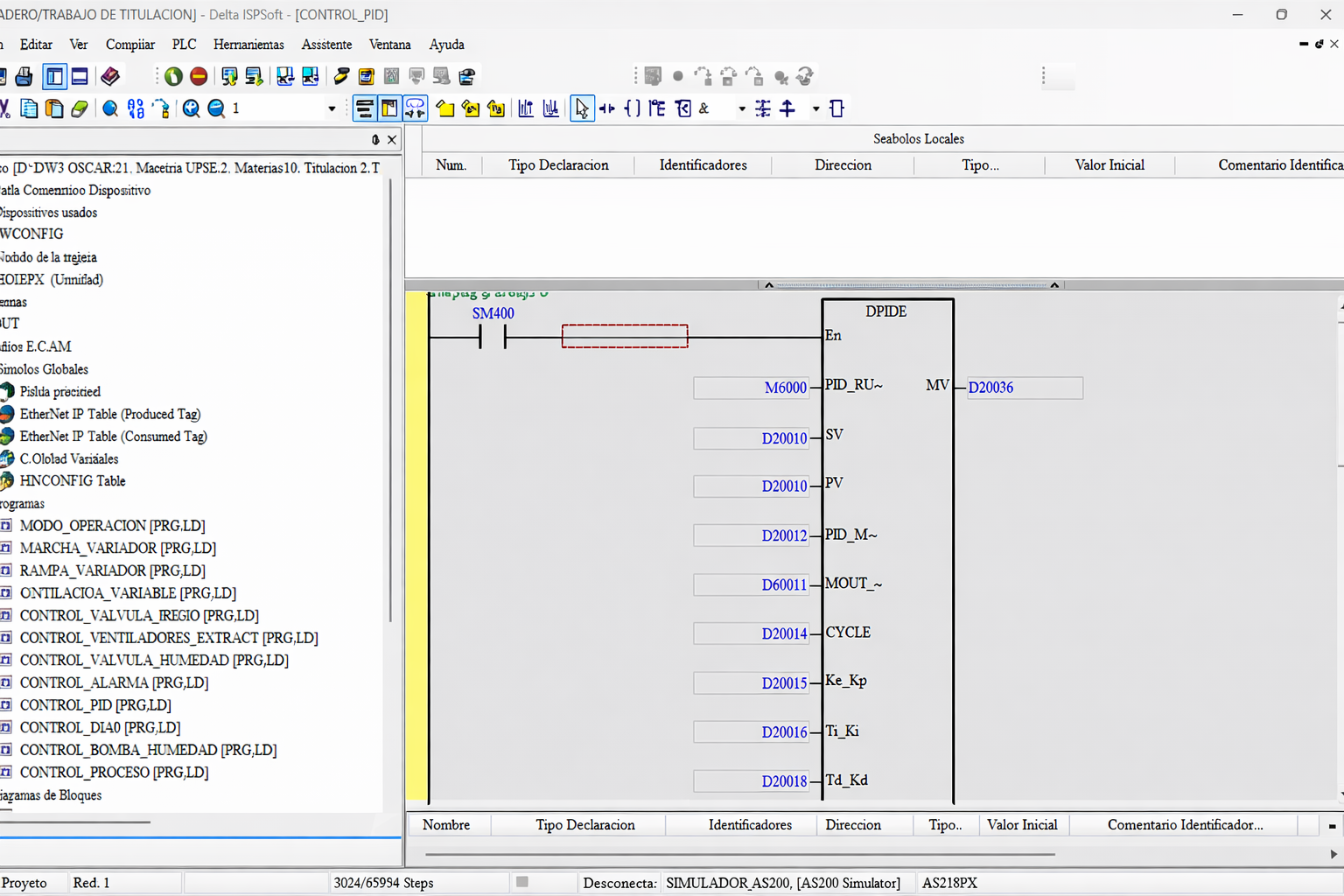
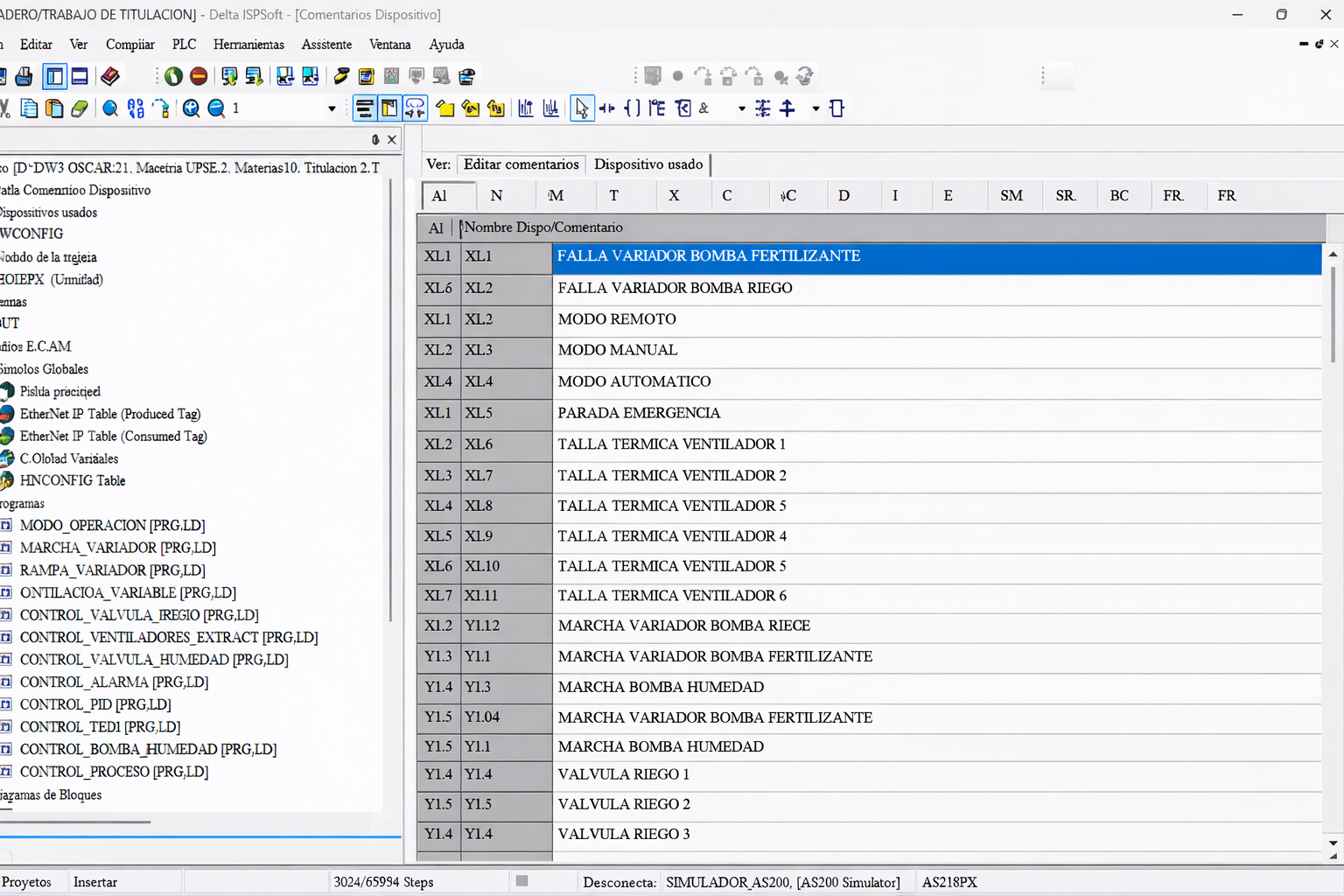
To enhance process safety and system reliability, the PLC program includes a dedicated alarm and fault management module. Figure 2 presents the alarm structure implemented in the PLC, which monitors abnormal conditions related to irrigation and fertilization pumps, ventilation units, extractors, and emergency stop events. When a fault is detected, the system activates the corresponding alarm and places the process in a safe state, allowing operator intervention (Carrasco Agraces, 2024; Traiphat et al., 2025).
Program validation was carried out entirely within the simulation environment using online monitoring tools. Logical transitions, actuator activation sequences, and timing conditions were verified under different simulated scenarios, confirming consistent and coherent system behavior. The modular programming approach adopted simplifies maintenance tasks and supports the integration of additional subsystems in future development stages (Attia et al., 2025).
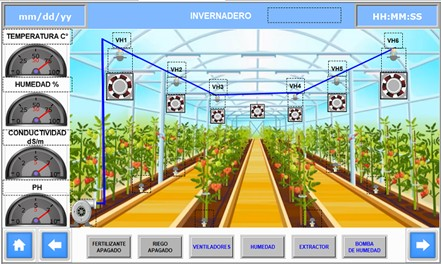
The human–machine interface was designed to provide centralized supervision and intuitive interaction with the automated system. Figure 3 presents the main HMI screen of the greenhouse, where real time values of key environmental variables and the operational status of the main actuators are displayed. This screen enables global monitoring of the process and provides direct navigation to specific control and configuration subsystems (Dudnyk et al., 2025).
In addition to supervision, the HMI includes a dedicated configuration screen that allows dynamic adjustment of upper and lower control limits for process variables such as temperature, relative humidity, electrical conductivity, and pH. As shown in Figure 4, this interface enables the operator to modify setpoints directly from the HMI without altering the PLC program, providing flexibility and adaptability to different operating conditions or crop requirements.
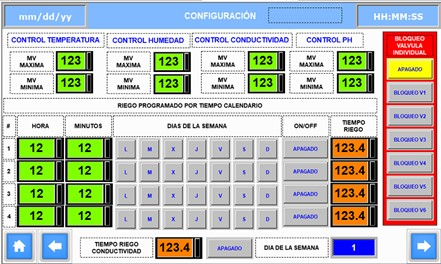
Based on the simulated inputs and configured parameters, the PLC generated output signals that activated or deactivated actuators represented within the HMI interface, including irrigation systems, ventilation equipment, and humidification devices. Figure 5 illustrates the irrigation control screen, which allows the selection between manual and automatic operation modes. The interface supports two irrigation strategies: a scheduled irrigation method based on daily calendars and weekly frequency, and an automatic method driven by soil conductivity measurements.
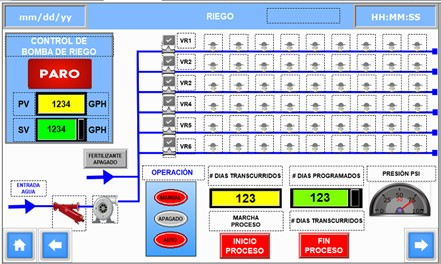
Several operating scenarios were defined to simulate contrasting environmental conditions, such as high daytime temperatures, increased nighttime humidity, and soil water deficit. The system response observed through the HMI under these scenarios confirmed the logical coherence, operational stability, and adaptive capability of the automated control strategy within a fully simulated environment (Ezurike et al., 2025).
Table 2. Defined Operating Scenarios with Environmental Conditions and System Responses
| Scenario |
Environmental Conditions |
Expected System Response |
|---|---|---|
| 1 |
High temperature (>35 °C), normal humidity, dry soil |
Activation of ventilation and irrigation to reduce temperature and moisten dry soil |
| 2 |
Optimal temperature (~25 °C), low humidity (<50%), high soil moisture |
Activation of the misting system to increase relative humidity without activating irrigation |
| 3 |
Low temperature (<20 °C), other variables normal |
System remains inactive to avoid unnecessary resource consumption |
Source: own authorship (2025).
The simulation results demonstrated that the automated greenhouse control system responded consistently and reliably under all evaluated scenarios, without logical conflicts or programming errors. When simulated environmental variables exceeded or returned to predefined thresholds, the control routines operated as intended, confirming correct interaction between synthetic inputs, PLC logic, and simulated actuators. In scenarios combining high temperature and low soil moisture, ventilation and irrigation functions were activated simultaneously, verifying proper coordination between multiple control blocks (Rodríguez-Nieto et al., 2025). The human–machine interface proved effective for system supervision and interaction, enabling real time visualization of process variables and actuator states, as well as controlled manual intervention when required. The simulated alarm system correctly identified abnormal conditions and registered events. Overall, the simulation confirmed the logical coherence and operational feasibility of the proposed control system, establishing a solid preliminary basis for future physical implementation and field validation (Benique et al., 2025).
Table 3. Comparison between manual and automated control in melon greenhouses
| Evaluated Criterion |
Manual Control |
Automated Control (PLC + HMI) |
Estimated Improvement |
|---|---|---|---|
| Irrigation frequency |
Once per day (fixed) |
Sensor-based activation (moisture <35%) |
30–35% water reduction |
| Temperature control accuracy |
Visual estimation |
DHT22 sensor ±0.5 °C |
Higher thermal precision |
| Relative humidity control |
Not managed |
Automatic control (misting system) |
Microclimate stabilization |
| Water resource usage |
High (no prior diagnosis) |
Low (demand-based) |
Water-saving |
| Human intervention |
High (constant operator presence) |
Low (HMI-based monitoring) |
Labor reduction |
| Response capacity |
Slow (operator-dependent) |
Immediate (programmed response) |
Operational efficiency |
Source: own authorship (2025).
Table 4. System behavior under different simulated environmental scenarios
| Simulated Scenario |
Critical Variable |
Simulated Value |
System Response |
Activation Time |
|---|---|---|---|---|
| Hot and dry day |
Temp. > 35 °C, humidity <35% |
37 °C / 30% |
Fan and irrigation pump activated |
< 2 seconds |
| Humid night |
Temp. 22 °C, humidity >85% |
22 °C / 90% |
All actuators turned off |
— |
| Low humidity, optimal temp. |
RH <50%, temperature 25–30 °C |
45% / 28 °C |
Misting system activated |
< 3 seconds |
| Stable environment |
All variables in optimal range |
28 °C / 70% / 40% |
System on standby mode |
— |
Source: own authorship (2025).
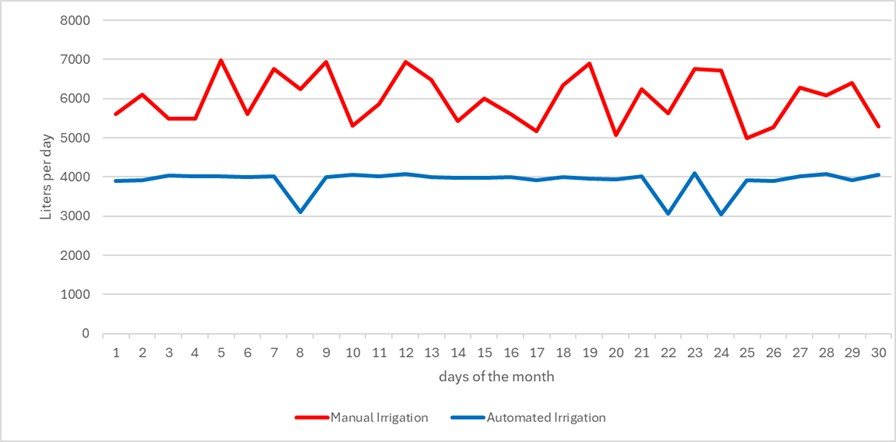
This reduction is primarily attributed to the system’s ability to activate irrigation only when simulated soil moisture values fall below predefined thresholds, thereby preventing over irrigation and unnecessary water use. These projected savings not only contribute to the conservation of water resources, but also represent potential economic benefits for producers by reducing operating costs. In the context of increasing water scarcity and the need for sustainable agricultural practices, efficient irrigation management becomes a critical factor for long term production viability under greenhouse conditions. Precise irrigation control also has a direct influence on crop health and development. By avoiding excessive soil moisture, the automated system reduces the risk of root related diseases and nutrient leaching, which supports more stable plant growth. Additionally, demand-based irrigation aligns water application with the crop’s phenological requirements, supplying water according to simulated plant needs rather than fixed schedules. This approach promotes more consistent growing conditions and improves overall system efficiency. Figure 7 presents a comparison of internal greenhouse temperature variations over an equivalent simulated period, contrasting manual environmental control with automated regulation. Under manual control conditions, temperature values exhibited wider fluctuations, with oscillations of approximately plus or minus seven degrees Celsius. Such variations can generate thermal stress in plants, potentially affecting key physiological processes such as photosynthesis, transpiration, and flowering. In contrast, the automated system-maintained temperature within a narrower operating range, demonstrating improved stability under simulated conditions.
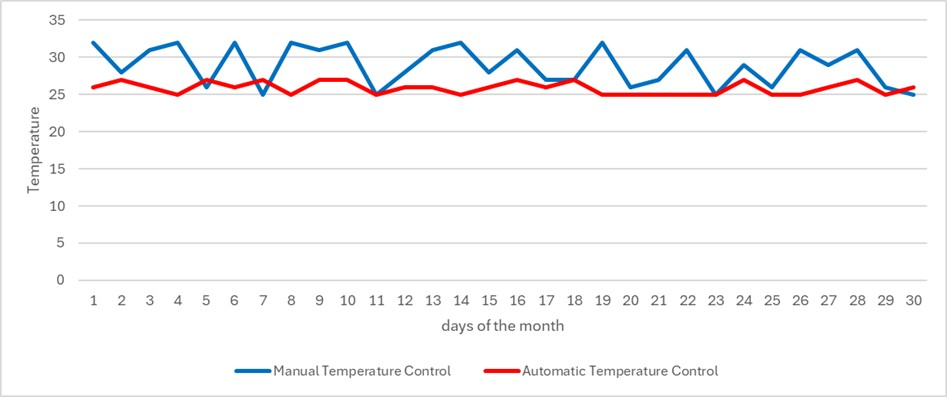
Figure 7 shows the simulated Ni concentration rising slowly from about 0 ppm to L=300"ppm". The threshold-crossing time averaged 1880 h, matching the measured accumulation rate of +0.16 "ppm h" (-1). Trajectory dispersion is modest, confirming that MDU-06 contaminant infiltration is steady and predictable under present fuel and load conditions. The empirical threshold-crossing time distributions from simulations were fitted with the two-parameter Weibull model to yield: n_TBN = 1920h, β_TBN = 8.3; n_Ni = 1880h, β_Ni = 7.9
In contrast, the automated control system maintained the internal greenhouse temperature within a significantly narrower range of approximately plus or minus two degrees Celsius. This level of thermal stability was achieved through the integration of synthetic sensor inputs with the programmed activation of ventilation systems and shading mechanisms, all coordinated by the programmable logic controller. Maintaining a stable internal temperature helps protect crops from extreme thermal conditions, reduces plant stress, and supports more uniform growth, which may contribute to improvements in both yield quality and production consistency under simulated conditions. The improved environmental regulation demonstrates the system’s capacity to respond dynamically to changing external influences such as variations in ambient temperature, humidity, and simulated solar radiation. By continuously monitoring these variables and adjusting actuator operation accordingly, the automated system illustrates the advantages of real time feedback control compared to periodic manual intervention. From an agronomic perspective, this results in a more resilient growing environment that supports stable plant development despite external variability. Taken together, the graphical results emphasize the effectiveness of the proposed greenhouse automation system in optimizing resource use and maintaining favorable growth conditions. By ensuring controlled irrigation without excess and stabilizing internal temperature levels, the system supports sustainable agricultural practices with potential environmental and economic benefits. These findings confirm the technical viability of the proposed solution within a simulated framework and support its consideration for future implementation and evaluation in precision agriculture applications.
The conceptual development and simulation of an automated greenhouse climate control system for melon cultivation demonstrated the feasibility of applying industrial automation technologies to agricultural production systems in the coastal region of Ecuador. Using a programmable logic controller and a human machine interface, a structured control strategy was defined to regulate critical agroclimatic variables such as temperature, relative air humidity, and soil moisture, which directly influence crop performance and plant health. The simulation results confirmed the correct logical operation of the system under multiple predefined environmental scenarios. The automated control routines responded in a consistent and timely manner according to the programmed thresholds, validating the functional coherence of the control architecture within a simulated environment. Additionally, the analysis indicated improvements in operational efficiency, including an estimated reduction in water consumption of approximately 35 percent and a decrease in the level of required human intervention. These results suggest that greenhouse automation represents a technically viable and potentially cost-effective alternative for small and medium scale agricultural producers when evaluated under controlled assumptions. Compared to traditional manual management practices, the automated system exhibited advantages in terms of precision, stability of the internal microclimate, and reduction of operational variability. The modular design of the proposed solution allows scalability to larger greenhouse installations, adaptation to different crop types, and the incorporation of additional control functions as needed. Furthermore, the system architecture supports future integration with advanced technologies such as remote monitoring platforms and supervisory control systems. From an academic and training perspective, this work contributes to bridging theoretical concepts and applied engineering practice. The proposed system can be used as a reference model in educational environments to strengthen competencies in industrial automation, control systems, and agro-industrial applications.
In summary, the automation of greenhouse climate control using PLC and HMI technologies constitutes an effective and replicable approach with significant potential to support sustainable agricultural production. This study establishes a preliminary foundation for future implementation, field validation, and technological expansion aimed at addressing productivity, environmental, and resource management challenges in modern agriculture.Albuja-Illescas, L. M., Gómez-Cabezas, M., Jácome-Aguirre, G., Aragón-Suárez, J. P., Jiménez-Lao, R., Peña-Fernández, A., & Lao, M. T. (2025). Microclimate Characterization of a Low-Tech Greenhouse During a Tomato Crop (Solanum lycopersicum L.) Production Cycle in Chaltura, Imbabura. Plants, 14(23). https://doi.org/10.3390/plants14233702
Alsayaydeh, J. A. J., Yusof, M. F., Hern, C. K., Ahmad, M. R., Shkarupylo, V., & Herawan, S. G. (2023). Greenhouse horticulture automation with crops protection by using Arduino. International Journal of Advanced Computer Science and Applications, 14(10). https://doi.org/10.14569/IJACSA.2023.0141013
Ardiansah, I., Calibra, R. G., Bafdal, N., Bono, A., Suryadi, E., & Nurhasanah, S. (2022). An IoT-enabled design for real-time water quality monitoring and control of greenhouse irrigation systems. INMATEH – Agricultural Engineering, 68(3). https://doi.org/10.35633/inmateh-69-39
Ardiansah, I., Nusantara, E. V., Putri, S. H., & Permana, R. H. (2024). A study on microclimate monitoring and control inside greenhouse using fans automation. Indonesian Journal of Electrical Engineering and Computer Science, 33(1), 101–112. https://doi.org/10.11591/ijeecs.v33.i1.pp101-112
Attia, M., Belghar, N., Driss, Z., & Soltani, K. (2025). Automated Hydroponic System Measurement for Smart Greenhouses in Algeria. Solar Energy and Sustainable Development Journal, 14(1), 111–130. https://doi.org/10.51646/jsesd.v14i1.306
Belovski, I., Mihalev, T., Koleva, E., & Mandadzhiev, A. (2025). Arduino-Based Sensor System Prototype for Microclimate Monitoring of an Experimental Greenhouse. Engineering Proceedings, 104(1), 54. https://doi.org/10.3390/engproc2025104054
Benique, M. A. R., Falcon Teves, L. E., & Vasquez Ortiz, E. A. (2025). Smart irrigation system with internet of things for rose cultivation in a basic greenhouse in Canchis, Cusco. International Journal of Reconfigurable and Embedded Systems, 14(3), 754–765. https://doi.org/10.11591/ijres.v14.i3.pp754-765
Carrasco Agraces, O. O. (2024). Desarrollo de un sistema de automatización de un invernadero para cultivo de melones en el cantón Lomas de Sargentillo [Tesis de maestría, Universidad Estatal Península de Santa Elena]. Repositorio Institucional UPSE. https://repositorio.upse.edu.ec/items/a812136b-e621-47ac-8bf9-0da28be50d2a.
Maravić Čisar, S., Stanić Molcer, P., & Pinter, R. (2025). Design and implementation of an IoT-based smart irrigation system for sustainable agriculture. Acta Polytechnica Hungarica, 22(12), 1–14. https://acta.uni-obuda.hu/MaravicCisar_StanicMolcer_Pinter_164.pdf
Dudnyk, A., Pasichnyk, N., Yakymenko, I., Lendiel, T., Witaszek, K., Durczak, K., & Czekała, W. (2025). Smart Resource Management and Energy-Efficient Regimes for Greenhouse Vegetable Production. Energies, 18(17), 4690. https://doi.org/10.3390/en18174690
Edan, Y., Adamides, G., & Oberti, R. (2023). Agriculture Automation. Springer Handbooks of Automation: Vol. Part F674 (pp. 1055-1078). Springer Science and Business Media Deutschland GmbH. https://doi.org/10.1007/978-3-030-96729-1_49
Ezurike, B. O., Ajah, S. A., Ijeh, I. C., Nwawelu, U. N., Chuks, C., Nwokenkwo, U., & Okoronkwo, C. A. (2025). Numerical modeling and thermal analysis of an energy-efficient smart greenhouse. Energy Science & Engineering. Advance online publication. https://doi.org/10.1002/ese3.70248
García-Chica, A., Chica, R. M., Caparros-Mancera, J. J., Giménez-Fernández, A., & Torres-Moreno, J. L. (2025). Future of smart greenhouses in Almería: Farmers’ perspectives and fuzzy logic-based evaluation. Smart Agricultural Technology, 12, 101515. https://doi.org/10.1016/j.atech.2025.101515
Hooshmand, A. H. (2025). Smart modular greenhouse control via IoT, LabVIEW, and PSO-PID integration. Computers and Electrical Engineering, 128(Part B), 110713. https://doi.org/10.1016/j.compeleceng.2025.110713
Huynh, H. X., Tran, L. N., & Duong-Trung, N. (2023). Smart greenhouse construction and irrigation control system for optimal Brassica juncea development. PLOS ONE, 18(10), e0292971. https://doi.org/10.1371/journal.pone.0292971
Jaliyagoda, N., Lokuge, S., Gunathilake, P. M. P. C., Amaratunga, K. S. P., Weerakkody, W. A. P., Bandaranayake, P. C. G., & Bandaranayake, A. U. (2023). Internet of things (IoT) for smart agriculture: Assembling and assessment of a low-cost IoT system for polytunnels. PLOS ONE, 18(5), e0278440. https://doi.org/10.1371/journal.pone.0278440
Mishra, R. K., Dash, A. R., & Panda, A. K. (2025). IoT-enabled smart farming: A cloud-based approach for polyhouse automation. Expert Systems with Applications, 279, 127358. https://doi.org/10.1016/j.eswa.2025.127358
Naagarajan, R. A., & Streif, S. (2025). Enhancing greenhouse management with interpretable AI: A natural language interface for advanced and optimization-based control. Smart Agricultural Technology, 11, 101041. https://doi.org/10.1016/j.atech.2025.101041
Pizzileo, G., Colizzi, L., Guerriero, E., Adamo, T., & Chiriacò, M. V. (2025). Resource use efficiency and environmental sustainability in greenhouse agriculture through IoT-based irrigation and fertilization management. Smart Agricultural Technology, 12, 101180. https://doi.org/10.1016/j.atech.2025.101180
Rocamora-Osorio, C., Aragon-Rodriguez, F., Codes-Alcaraz, A. M., & Ferrández-Pastor, F.-J. (2025). Automated IoT-Based Monitoring of Industrial Hemp in Greenhouses Using Open-Source Systems and Computer Vision. AgriEngineering, 7(9), 272. https://doi.org/10.3390/agriengineering7090272
Rodríguez-Nieto, D., Navas, E., & Fernández, R. (2025). Automated seeding in hydroponic greenhouse with a dual-arm robotic system. IEEE Access, 13, 1–14. https://doi.org/10.1109/ACCESS.2025.3541954
Săcăleanu, D.-I., Matache, M.-G., Roșu, Ș.-G., Florea, B.-C., Manciu, I.-P., & Perișoară, L.-A. (2024). IoT-Enhanced Decision Support System for Real-Time Greenhouse Microclimate Monitoring and Control. Technologies, 12(11), 230. https://doi.org/10.3390/technologies12110230
Traiphat, W., Nramat, W., Sukruan, P., Utaprom, P., Piamboriboon, P., & Naramat, S. (2025). Experiments comparing the efficency between watering vegetable crops with traditional methods and automatic watering systems. EUREKA: Physics and Engineering, (1), 66-74. https://doi.org/10.21303/2461-4262.2025.003657
Venkataramanan, V., Pimpale, M., Kapure, V., Mishra, P., Rokade, A., Bhushan, T., & Singh, J. (2025). A Hybrid IoT and Machine Learning Framework for Smart Greenhouse Automation in Sustainable Agriculture. International Research Journal of Multidisciplinary Technovation, 7(4), 58-69. https://doi.org/10.54392/irjmt2545