La adaptabilidad de los Ostrácodos a todo tipo de clima desde el cámbrico hasta el reciente: ¿Indicadores del fin del mundo?
DOI:
https://doi.org/10.53591/cna.v11i2.267Palabras clave:
artrópodos, salobre, humus, carroñerosResumen
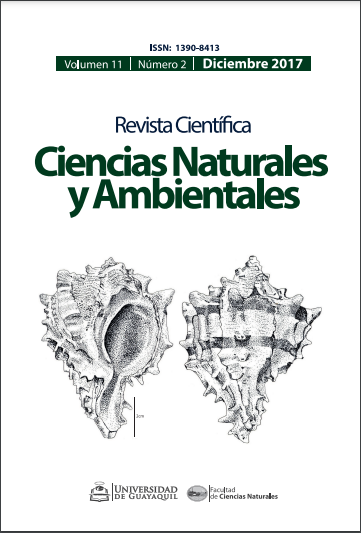
Los Ostrácodos son artrópodos crustáceos con una amplia distribución geográfica; ellos existen en el planeta desde el Periodo Cámbrico hace 542 Ma. Este crustáceo es abundante con 65.000 especies fósiles y 13.000 especies actuales. Se han adaptado a todas las condiciones climáticas, desde marino profundo, aguas dulces y salobres, hasta al humus continental. La distribución
y morfología de los Ostrácodos depende de varios factores ecológicos, pero la salinidad es su principal factor de distribución.
Los Ostrácodos se preservan muy bien en la columna geológica por su alta capacidad adaptativa para sobrevivir y evolucionar; y son importantes para la identificación de la paleoecología y el paleoclima. Los Ostrácodos son nadadores o bentónicos, filtradores, desparasitadores, carroñeros, detritívoros, herbívoros y depredadores. En Ecuador se han identificado Ostrácodos desde el Jurásico (174 Ma) en la Cuenca Oriente. En conclusión, los Ostrácodos han sobrevivido y evolucionado en los últimos 500 Ma, desde el Cámbrico hasta el Reciente, adaptándose a todo tipo de clima. En Ecuador, se los ha identificado en cuenca Oriente desde el Jurásico y también se adaptaron a todo clima.
Publicado
Número
Sección
Licencia
Esta obra está bajo una licencia Creative Commons: No comercial-Sin Derivadas- 4.0. Los autores mantienen los derechos sobre los artículos y por lo tanto son libres de compartir, copiar, distribuir, ejecutar y comunicar públicamente la obra.