The Role of Biophilic Design in Occupational Well-being
DOI:
https://doi.org/10.53591/artes.v3i7.2261Keywords:
Biophilic Design, Workplace Well-being, Productivity, Stress, CreativityAbstract
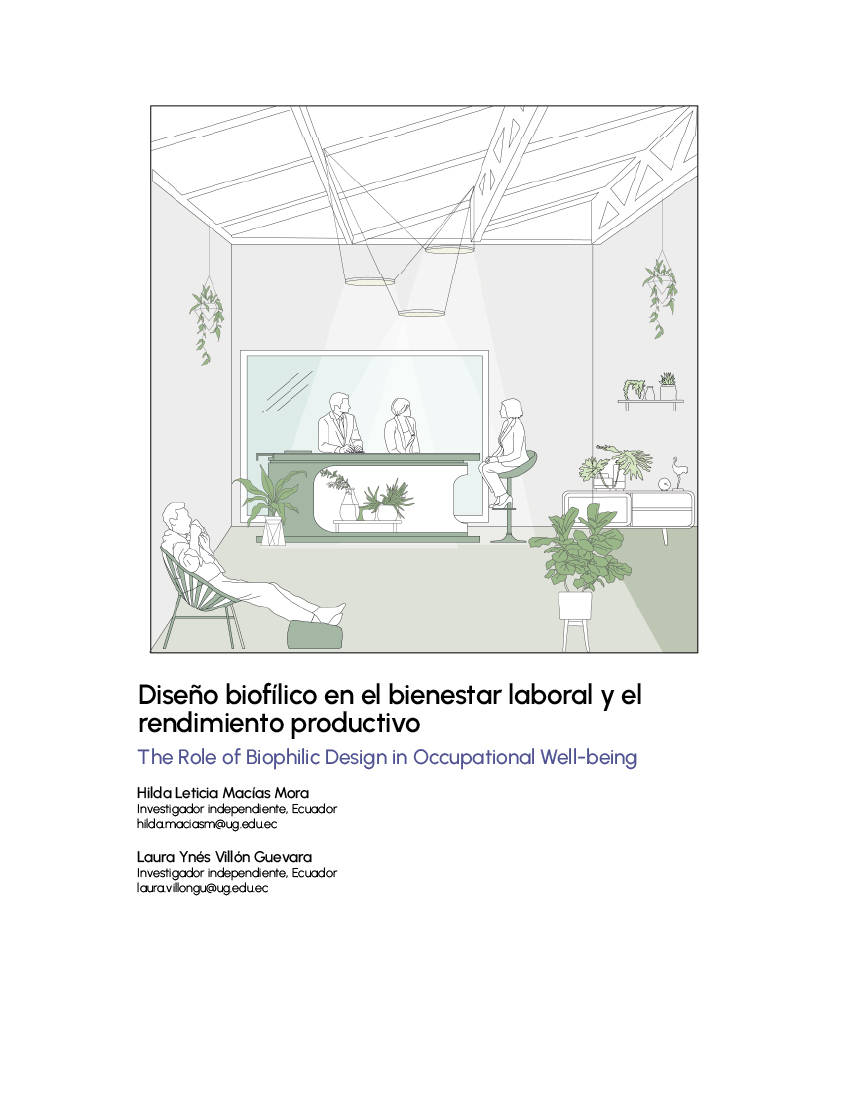
Biophilic design in workplaces incorporates natural elements, such as natural light, vegetation, and organic materials, to improve employee well-being. The reviewed research indicates that these elements significantly contribute to reducing stress and mental fatigue, increasing job satisfaction and productivity. The presence of nature in the workplace decreases anxiety levels by up to 30% and fosters concentration, which increases labor efficiency by 15%. Additionally, this type of design promotes creativity and fosters social cohesion, promoting a collaborative and healthy work environment. Although the implementation of biophilic strategies presents challenges such as initial costs and infrastructure adaptation, the long-term benefits, such as reduced absenteeism and increased efficiency, justify its adoption. In summary, biophilic design optimizes workplaces in general, improving employee well-being and performance.
Downloads
Published
Issue
Section
License
Copyright (c) 2024 Hilda Leticia Macías Mora, Laura Ynés Villón Guevara

This work is licensed under a Creative Commons Attribution-NonCommercial-NoDerivatives 4.0 International License.