1Fabian Felipe Taborda Torres
“Generaciones Palmiranas” Club
https://orcid.org/0009-0004-2291-4628
Colombia, Palmira - Valle del Cauca
2César Humberto Sánchez Patiño
“Generaciones Palmiranas” Club
https://orcid.org/0009-0000-2443-010X
Colombia, Palmira - Valle del Cauca
1Colombian sports and public management professional, with extensive academic training and over 25 years of experience. He was the coach of the Colombian Women’s National Team (2012–2016), achieving historic international milestones. He is currently a councilman in Palmira, where he promotes sports and social development.
2Coach of the Humberto Sánchez Patiño Football Club.
Date of receipt: 01-12-2025
Date of acceptance: 04-01-2026
Publication date: 14-01-2026

The works published in STAR are lincesed under CC BY-NC-ND 4.0
Abstract
Introduction: To identify and project talent in youth women’s soccer, it is necessary to have monitoring systems that incorporate evaluation, control, and evidence-based decision-making, especially in competitive situations at the national level.
Objective: To create a sports monitoring system for the 16-year-old players of Club Generaciones Palmiranas, with the aim of improving training management and strengthening preparation for the Colombian National Youth Tournament.
Methodology: A mixed-methods approach with a descriptive and propositive structure was employed. Statistical analyzes of performance indicators, semi-structured interviews with coaches, specific motor assessments, scientific observations of training sessions, and documentary reviews of specialized sources were conducted.
Results: The monitoring system incorporated technical, physical, tactical, and psychological aspects, which facilitated the characterization of individual and group performance. Performance trends, training gaps, and development profiles were identified, which are useful for planning, load management, and athlete selection.
Discussion: Comprehensive monitoring improves consistency between planning and evaluation, helps identify talent early, and reduces subjectivity in technical decisions.
Conclusions: The proposed system represents a relevant and usable tool for guiding talent identification and strengthening the club’s competitive drive, providing technical criteria for strategic decisions and establishing itself as a model to follow in promoting youth women’s soccer at the regional and institutional levels, with formative implications that can be replicated.
Keywords: Fútbol femenino, talento deportivo; preparación competitiva; seguimiento de rendimiento.
Resumen
Introducción: Para identificar y proyectar talentos en el fútbol femenino juvenil, es necesario contar con sistemas de monitoreo que incorporen evaluación, control y toma de decisiones fundamentadas en evidencia, sobre todo en situaciones competitivas a nivel nacional.
Objetivo: Crear un sistema de seguimiento deportivo para las jugadoras de 16 años del Club Generaciones Palmiranas, con el propósito de mejorar la administración del entrenamiento y reforzar la preparación para el Torneo Nacional Juvenil de Colombia.
Metodología: Se empleó un método mixto con una estructura descriptiva y propositiva. Se llevaron a cabo análisis estadísticos de indicadores de rendimiento, entrevistas semiestructuradas con entrenadores, exámenes motrices específicos, observaciones científicas de sesiones de entrenamiento y revisiones documentales de fuentes especializadas.
Resultados: El sistema de monitoreo incorporó aspectos técnicos, físicos, tácticos y psicológicos, lo que facilitó la caracterización del desempeño individual y grupal. Se detectaron tendencias de desempeño, brechas formativas y perfiles de desarrollo que son útiles para la planificación, el control de cargas y la selección deportiva.
Discusión: Un seguimiento exhaustivo mejora la consistencia entre la planificación y la evaluación, ayuda a identificar el talento de manera temprana y disminuye el carácter subjetivo en decisiones técnicas.
Conclusiones: El sistema sugerido representa una herramienta relevante y utilizable para guiar la detección de talentos y fortalecer el impulso competitivo del club, brindando criterios técnicos para las decisiones estratégicas y estableciéndose como un modelo a seguir en la promoción del fútbol femenino juvenil a escala regional e institucional, con repercusiones formativas que pueden ser replicadas.
Palabras clave: Women’s soccer, athletic talent; competitive preparation; performance monitoring.
Introduction
Women’s soccer has taken a leading role on the international sports agenda in recent decades. This phenomenon not only reflects an increase in women’s participation in sports, but also underscores the urgency of implementing policies, structures, and methodologies that ensure equity in their training and competitive development (FIFA, 2023; United Nations, 2023). The creation of professional leagues in Europe, North America, and Asia has demonstrated that success in sports is based on comprehensive processes of early talent identification, evaluation, and monitoring, all framed within strategies that consider physical, technical, tactical, and psychological aspects (Vaeyens et al., 2008; Bailey & Collins, 2013). However, this international reality contrasts with the situation in regions such as Latin America, where, despite the growing prominence of their national teams, there are still deficiencies in planning, resources, and standardized programs for monitoring performance.
In the Latin American context, several studies have shown that women’s soccer faces challenges such as a lack of investment, weak institutionalization of professional leagues, and limited application of scientific training models. Although countries such as Brazil and Argentina have made progress in designing federation-led talent identification programs, in places like Colombia fragmentation persists among clubs, educational institutions, and sports federations, complicating the establishment of stable athletic pathways for players (Côté & Hancock, 2016). In this context, it is essential to strengthen systems that enable comprehensive monitoring of young footballers’ development, with the aim of closing the gaps with countries that already apply standardized training methodologies.
At the national level, Colombian women’s soccer has experienced a notable increase in visibility, especially thanks to the national team’s achievements in international tournaments such as the 2011 and 2023 World Cups, as well as the 2022 Copa América (Federación Colombiana de Fútbol, 2022). However, it still faces challenges, such as the lack of continuity in the professional league, the limited financial support for youth development clubs, and the absence of standardized evaluation systems to facilitate sports decision-making (Ministry of Sport, 2023). National literature underscores that teams’ competitive success depends not only on individual talent but also on the implementation of structured monitoring systems that ensure continuity in training processes.
In this context, the Club Generaciones Palmiranas, founded in 2006 in Palmira, has become a benchmark in developing players who have reached departmental and national teams. However, despite its methodological advances and participation in national competitions, the club has faced the challenge of not having a standardized monitoring system that integrates physical, technical-tactical, psychological, and socio-affective aspects. Coaches’ empirical observations have been valuable for training, but they are insufficient to meet the demands of high-level tournaments such as the National Youth Championship, which serves as a showcase for projecting talent to national teams and professional soccer.
The literature review shows that structured training models, such as the one proposed by Seirul·lo, have proven effective in integrating various dimensions of athletic performance. This not only helps optimize training but also reduces the incidence of injuries in young soccer players (Tarragó et al., 2021). Additionally, load monitoring tools and standardized tests, such as the Yo-Yo intermittent recovery test (Bangsbo et al., 2008) and the countermovement jump (Balsalobre-Fernández et al., 2021), have become key indicators for physical monitoring. The contributions of sport psychology are also included, highlighting how motivation, group cohesion, and resilience impact the performance of young soccer players (Guillén & Feltz, 2011; González-García et al., 2020).
The reason behind this research was the need to provide Club Generaciones Palmiranas and the Colombian women’s soccer community with a scientific tool to help improve competitive preparation and project talent to higher levels. The lack of comprehensive monitoring systems in youth categories has limited the ability to plan evidence-based training, adequately manage workloads, and consider psychological and tactical aspects in performance evaluation (Impellizzeri et al., 2019; Gathercole et al., 2015). Addressing this gap is fundamental not only to enhance the competitiveness of the players but also to establish sustainable training processes aligned with national and international gender equity and sports development policies (Ministry of Sport, 2023; United Nations, 2023).
Therefore, the objective of the research was to design a comprehensive monitoring system proposal, based on Seirul·lo’s structured model, focused on identifying and projecting talent among 16-year-old players at Club Generaciones Palmiranas, in order to prepare them for participation in the Colombian National Youth Tournament, thereby contributing to the creation of higher-quality training processes and positioning the club as a benchmark in youth women’s soccer.
Method
Design
The design of this research is based on a sequential mixed-methods approach that combines explanatory quantitative and exploratory qualitative elements. The objective is to understand athletic performance and create a monitoring system tailored to Club Generaciones Palmiranas. In the quantitative phase, physical and technical-tactical tests were conducted, and standardized questionnaires were administered to objectively characterize the athletes’ performance. On the other hand, the qualitative phase included semi-structured interviews, systematic observations, and document review, which allowed for contextualizing and making sense of the quantitative findings. The study was designed as non-experimental and cross-sectional, since the variables were not intentionally manipulated but were observed in their natural training and competition environment. A pragmatic approach was adopted, recognizing that the sporting reality can be measured and also interpreted within its context, which facilitated the integration of both objective and subjective data for the development of the sports monitoring proposal (Guba & Lincoln, 2012).
Participants
Regarding the participants, the population consisted of 45 players from the Club Generaciones Palmiranas’ under-17 category, located in Palmira, Valle del Cauca (Colombia), with an average age of 16 years. All the soccer players were officially registered on the competitive roster for the 2025 National Women’s Youth Tournament. Purposive non-probability sampling was used, applying rigorous inclusion criteria: being part of the club’s under-17 category, being 16 years old, being officially registered, and being available to participate in all physical, technical-tactical, and psychological tests. This approach ensures that the sample is representative and relevant for achieving the objective of designing a tracking system that identifies and projects talent toward high performance (Vaeyens et al., 2008).
Procedures
Data collection was conducted in the club’s usual training and competition environment during the second half of 2025. The following stages were carried out:
Quantitative phase: Physical tests: aerobic endurance was assessed using the Yo-Yo Intermittent Recovery Test Level 1 (Bangsbo et al., 2008), speed in 20-m sprints, and explosive power via the countermovement jump (CMJ) (Balsalobre-Fernández et al., 2021). Technical-tactical tests: ball control, passing accuracy, finishing, and decision-making in simulated game situations were measured using standardized rubrics (Serra-Olivares et al., 2016). Psychological questionnaires: motivation, concentration, and perceived performance were assessed using instruments validated in the youth sports context (Weinberg & Gould, 2019).
Qualitative phase: Semi-structured interviews were conducted with coaches and players, using thematic guides on perceptions of performance, difficulties, and individual and group strengths (Flick, 2018). A systematic observation of training sessions and matches was conducted, recording technical-tactical behaviors, group interaction, and adherence to the training plan (Miles et al., 2019). A document review of training plans and records of participation in previous tournaments was conducted to understand the competitive history and institutional planning.
Instruments
Both custom-designed and standardized instruments were used to conduct the evaluation. This included physical record sheets that measured endurance, speed, and strength, allowing us to calculate averages, maximums, minimums, and standard deviations for each player. Technical-tactical rubrics were also used to evaluate accuracy, effectiveness, and correct decision-making during play, correlating performance in practices and matches. Additionally, psychological questionnaires were administered to assess motivation, self-confidence, and anxiety management in a competitive context. The interview and observation guides helped systematize coaches’ and players’ perceptions, identifying contextual and motivational factors. All of these instruments were previously validated by experts in youth sports training and women’s soccer, thereby ensuring their reliability and validity.
Data Analysis
The results of the physical and technical-tactical tests were processed using descriptive statistics with Microsoft Excel and SPSS. This allowed us to characterize the level of performance both individually and as a group, as well as to identify strengths and areas for improvement (Thomas, Nelson & Silverman, 2015). In the qualitative analysis, data obtained from interviews and observations were coded and organized thematically using specialized software, following inductive analysis guidelines (Saldaña, 2021).
Methodological triangulation was carried out, comparing and contrasting the quantitative and qualitative results. This integrated perceptions, physical performance, and technical-tactical performance, which allowed for the generation of solid conclusions and provided a basis for the sports monitoring proposal (Flick, 2018).
Ethical aspects
The study was conducted in accordance with the Declaration of Helsinki and Colombian regulations for research in sports and social sciences. The participants, along with their guardians, signed an informed consent form that ensured voluntariness, confidentiality, and the right to withdraw at any time. In addition, measures were taken to ensure physical and emotional safety during the tests and interviews, respecting the integrity of the soccer players and fostering an ethical research environment (Hernández-Sampieri et al., 2021).
Proposal Design
This study presented a comprehensive sports monitoring system designed to improve the identification and projection of talent in 16-year-old youth soccer players in the Club Generaciones Palmiranas’ U-17 category. The proposal was based on Seirul·lo’s structured model, which encompasses physical, technical-tactical, psychological, and socio-affective dimensions, enabling a holistic approach to the players’ performance and development. This method ensured that the evaluation was not limited to physical aspects alone, but also included cognitive skills, decision-making, and social interaction in the competitive context of youth women’s soccer.
The system was organized into three levels of monitoring: initial assessment, periodic monitoring, and personalized feedback. During the initial assessment, standardized tests were conducted to evaluate aerobic endurance (Yo-Yo Intermittent Test), speed (30-m sprints), explosive power (CMJ and medicine ball throws), technical precision (passing and shooting at goal), tactical understanding (small-sided games and decision-making analysis), and emotional control (self-perception and resilience questionnaires). This assessment enabled the creation of a detailed profile for each player, identifying their strengths and areas for improvement, which facilitated the planning of personalized interventions and the prioritization of resources.
Regular monitoring was organized into 24-week macrocycles, which were broken down into 6- to 8-week mesocycles and weekly microcycles. The training load was adapted to each player’s initial capacity, varying intensity (60–85% of maximum heart rate for aerobic training, 70–90% of 1RM for strength training) and volume (progressive repetitions and sets).
Physical-conditional dimension:
· Intermittent and progressive runs (such as the Yo-Yo test and fartlek) to improve aerobic endurance.
· 10- to 30-meter sprints and cone drills to work on speed and agility.
· Explosive strength circuits that include vertical jumps (CMJ), medicine ball throws, squats, and progressively weighted lunges.
· Muscle endurance exercises focused on the core and upper body using resistance bands.
Technical-tactical:
· Passes and receptions under pressure, varying the distance and speed of the ball.
· Shots on goal from different positions and angles, integrating quick decision-making.
· Small-sided 3v3 and 5v5 games to promote decision-making and positioning in both defense and offense.
· Specific tactical sequences (such as defense-to-attack transitions, high pressing, and lateral coverage) tailored to individual skill levels.
Psychological and socio-affective:
· Visualization routines before technical exercises.
· Group dynamics to strengthen cohesion and communication.
· Problem-solving and decision-making exercises under pressure (game scenarios with limited time).
· Feedback and discussion sessions on errors and successes, promoting self-confidence and resilience.
Personalized feedback was provided in weekly sessions, where players received detailed information about their performance and strategic advice to improve their teamwork. Physical-technical record sheets, observation protocols, and perception questionnaires were used, allowing for adjustments to the intensity, volume, and complexity of the exercises. This proposal was implemented continuously over 24 weeks, covering an entire macrocycle that ensured progressive adaptations in the players’ physical, technical-tactical, and psychological capacities, thereby strengthening their collective performance and competitive outlook.
Results
Table 1. Results of the Yo-Yo Intermittent Test
|
Level |
No. of Players |
Mean (m) |
Median (m) |
SD (±) |
Range (min – max) |
|
High |
8 |
1237.5 |
1220 |
118.8 |
1100 – 1500 |
|
Medium |
14 |
1022.9 |
990 |
155.7 |
860 – 1460 |
|
Low |
23 |
473 |
460 |
148.9 |
240 – 780 |
Elaborado por autores.
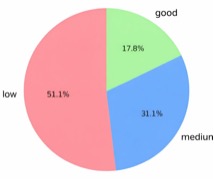
Figure 1. Results of the Yo-Yo Intermittent Test
Prepared by the authors.
The analysis of the results shows that the physical fitness of the Club Generaciones Palmiranas U-17 team is quite varied and exhibits deficiencies in aerobic endurance. In fact, 51% of the players were at a low level, with average distances of 473 m, which limits their ability to adapt to the intermittent high-intensity efforts that are so common in soccer. On the other hand, 31% reached a medium level, with distances close to 1,000 m, reflecting acceptable performance, although still insufficient for high-level competitions. Only 18% achieved a good level, exceeding 1,200 m. These findings are in line with the literature, which indicates that 16-year-old soccer players must cover more than 1,200 m in intermittent tests to be considered fit for high-performance competition (Impellizzeri et al., 2019). This highlights the need to implement a specific training system focused on improving basic aerobic endurance, increasing tolerance to high-intensity intermittent efforts, and closing the gap between low-performing players and those who reach competitive levels.
Table 2. Results of the endurance test
|
Level |
Time Range |
No. of Players |
|
Good |
≤ 5.50 s |
6 |
|
Medium |
5.51 – 6.30 s |
28 |
|
Low |
> 6.30 s |
11 |
Prepared by the authors.
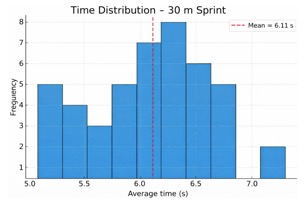
Figure 2. Distribution of times for the 30-meter sprint test
Prepared by the authors.
The data indicate that the majority of female soccer players (62%) are at an intermediate speed level, suggesting acceptable performance, although still below high-performance standards. Only 13% achieved times of 5.50 s or less, which are consistent with international competitive projection values. On the other hand, the remaining 25% recorded times above 6.30 s, reflecting limitations in their acceleration and starting technique. These findings underscore the need to implement training microcycles focused on explosive strength and the optimization of running mechanics, following Seirul·lo’s structured model (Tarragó et al., 2021). The highest-performing players can serve as role models to raise the team’s level, while those with slower times require personalized interventions to overcome their deficiencies and ensure their competitive potential (Vaeyens et al., 2008).
Table 3. CMJ test results (Countermovement Jump)
|
Level |
Description |
Percentage (%) |
|
Low |
Low performance |
51.1 |
|
Medium |
Moderate performance |
31.1 |
|
Good |
Good performance |
17.8 |
|
Total |
100.0 |
Prepared by the authors.
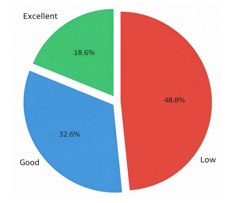
Figure 3. Distribution of players by level – CMJ
Prepared by the authors.
The CMJ results reveal a notable variability in the jumping ability of the Club Generaciones Palmiranas’ under-17 players. Almost half of the group is at low levels, while only a small percentage achieves excellent values close to 40 cm. This highlights that, although some female soccer players exhibit explosive performance typical of elite youth contexts, most need to significantly improve their lower-body explosive strength, which is fundamental for aerial duels, sprints, and changes of direction (Loturco et al., 2019; Balsalobre-Fernández et al., 2021). These findings underscore the importance of implementing a comprehensive training program that combines strength work with technical development and motor coordination, following Seirul·lo’s structured model (Tarragó et al., 2021). The goal is to optimize physical capacity, technical efficiency, and tactical anticipation, thereby enhancing the team’s collective performance and its readiness for high-level competitions.
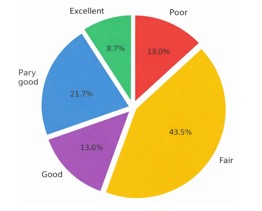
Figure 4. Proportion of players by level – pass accuracy test
Prepared by the authors.
The results of the passing accuracy test show that, although there is a small group of players who achieve excellent or very good levels, the majority fall into the regular or low ranges. This reveals some deficiencies in executing passes under controlled conditions, which in turn limits the effectiveness of the offensive game. This finding aligns with studies indicating that passing accuracy depends on technical skill as well as decision-making and anticipation in dynamic game situations, in addition to the team’s tactical cohesion. Therefore, it is essential to implement training programs that integrate technical practice, small-sided games, and decision-making exercises, encompassing coordinative, cognitive, and socio-affective aspects, with the aim of improving individual consistency and strengthening collective performance in competitive settings.
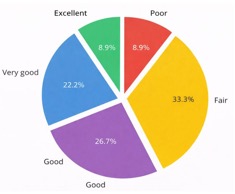
Figure 5. Player distribution – offensive tactical test
Prepared by the authors.
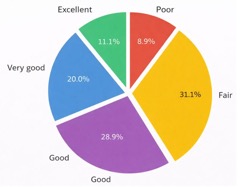
Figure 6. Player distribution – defensive tactical test
Prepared by the authors.
The results of the tactical tests, both offensive and defensive, show that most of the Club Generaciones Palmiranas’ under-17 players have average performance. This highlights some limitations in their decision-making and how they occupy spaces in attack, as well as in their coordination and in the application of more advanced defensive principles. Although there is a small group that stands out for its ability to lead offensive phases and maintain defensive order, the majority need to work on their tactical understanding, creativity, teamwork, and anticipation during the game. These findings indicate that it is essential to implement comprehensive training sessions that simulate real-game situations, foster communication, reinforce inter-line synchronization, and combine conditioning, technical, cognitive, and socio-affective aspects, as suggested by Seirul·lo’s structured model, to improve collective performance and the team’s competitiveness under pressure during matches.
Table 4. Psychological test results
|
Level |
No. of Players |
Mean (m) |
Median (m) |
SD (±) |
Range (min – max) |
|
Good |
8 |
1237.5 |
1220 |
118.8 |
1100 – 1500 |
|
Medium |
14 |
1022.9 |
990 |
155.7 |
860 – 1460 |
|
Low |
23 |
473 |
460 |
148.9 |
240 – 780 |
Prepared by the authors.
The psychological test showed that, although a small group of players stood out for their resilience, self-confidence, and mental strength, the majority scored at average or low levels. This revealed that they faced difficulties in emotional control, motivation, and frustration tolerance, especially under competitive pressure. Qualitative analyzes supported this diversity, indicating that anxiety and a lack of self-management directly impacted their in-game performance. These findings underscore the importance of implementing sport psychology interventions integrated into training, including concentration techniques, visualization, and stress management, and conducted in real-game situations. This would not only foster group cohesion but also improve decision-making in critical moments. Addressing this psychological dimension is fundamental to balancing the team’s performance and enhancing its competitive edge.
Qualitative Results
The results of the interviews, document review, and field observation revealed that, although Club Generaciones Palmiranas had a planning structure at the macro, meso, and micro levels, there were significant gaps in the individual monitoring of the under-17 players. The coaches mentioned that the physical, technical, and psychological diversity of the group complicated talent identification and performance projection, which limited the possibility of implementing personalized plans and addressing individual needs. Upon reviewing the plans, it was noted that the strategic objectives were clear, but precise indicators for monitoring each player’s progress were lacking. Furthermore, the organization of the sessions did not always take into account the group’s heterogeneity or include standardized records of physical, technical, or psychological performance. During practices, differences were observed in the intensity, precision, and adherence to exercises, as well as coordination problems and frequent errors in technical and tactical tasks, in addition to deficiencies in the emotional and motivational management of some players. Taken together, these findings highlight the need to create a comprehensive sports monitoring program that combines physical, technical, tactical, and psychological training, with individualized strategies, systematic records, and specific microcycles, to optimize talent development and team competitiveness.
Discussion
The Yo-Yo Intermittent Recovery Test revealed that more than half of the soccer players evaluated (51%) exhibited a low level of aerobic endurance, with an average of 473 m. Only 18% managed to exceed 1200 m, which is considered the competitive standard for high performance (Bangsbo et al., 2008). This variability highlights the individual differences within the group, which aligns with Impellizzeri et al. (2019), who emphasize that intermittent endurance is a key predictor of adaptation to competitive exertion, underscoring the importance of improving this capacity within the team.
In the 30-m sprint, the majority of players (62%) reached a medium level, and only 13% achieved elite times. These results are consistent with the study by Vaeyens et al. (2008), which emphasizes acceleration as a crucial factor in the development of youth talent. The dispersion of times, with 25% exceeding 6.30 s, indicates deficiencies in running mechanics. Therefore, it is suggested to implement microcycles focused on explosive strength, following the structured model proposed by Seirul·lo (Tarragó et al., 2021).
Regarding the CMJ jump, it was noted that nearly half of the players (48.8%) were at a low level, while only 18.6% achieved values close to 40 cm, which are considered excellent. Studies by Loturco et al. (2019) and Balsalobre-Fernández et al. (2021) support the notion that the CMJ is a reliable indicator of lower-body power and its relationship to sprint and change-of-direction performance. The high prevalence of low scores reinforces the need to implement neuromuscular strengthening programs, as suggested by Bailey and Collins (2013), who assert that talent development requires overcoming physical limitations thru long-term plans.
Regarding passing accuracy, only 9% reached an excellent level, while the majority fell into the fair and poor categories (57%). This supports Ford et al.’s (2020) argument, which highlights the importance of deliberate practice and constant exposure to real-game situations to improve technique. Additionally, Sarmento et al. (2021) point out that passing effectiveness is related to tactical cohesion and control of the offensive game. FIFA (2023) also emphasizes the relevance of individual technique as a key component in the development of women’s soccer.
The results of the offensive tactical test revealed that 60% of the players scored at the fair and good levels, while only 9% reached the excellent level. This aligns with what Memmert (2019) mentions, who argues that decision-making in attack depends on creativity, spatial awareness, and a solid technical foundation. In terms of defense, the regular level predominated at 31.1%, followed closely by the good level at 28.9%. According to Serra et al. (2016), this indicates that players rely heavily on individual efforts and face limitations in collective coordination. This finding aligns with the long-term development approach proposed by Balyi, Way, and Higgs (2013), which underscores the importance of a gradual progression in cognitive and socio-affective abilities.
In the psychological domain, 33% of the players were classified as good, 20% as fair, and 13% as excellent. These results are in line with those reported by Guillén and Feltz (2011), who highlight self-confidence as a key factor in youth performance, and by Weinberg and Gould (2019), who note that anxiety management and resilience directly impact competitive effectiveness. Additionally, González-García et al. (2020) suggest interventions focused on concentration and visualization, while Côté and Hancock (2016) emphasize the need to integrate sport psychology strategies into youth clubs to ensure the continuity of female talent.
In summary, the results showed that only a small group of players stood out in their performance, while the majority were at medium or low levels in terms of their physical, technical, tactical, and psychological abilities. This pattern aligns with what has been documented internationally, where the need for comprehensive, systematic, and multidimensional monitoring to identify and develop talent in youth women’s soccer is emphasized (FIFA, 2023). Therefore, the sports monitoring proposal of this study presents a methodological model that is tailored both to the demands of the Colombian National Youth Tournament and to the team’s training needs.
Conclusions
The research led to the creation of a comprehensive sports monitoring system that facilitates the identification and projection of talent in youth women’s soccer. This proposal encompasses physical, technical-tactical, psychological, and socio-affective dimensions, surpassing traditional approaches that focus solely on physical performance and offering a more comprehensive view of the players’ athletic development. This approach not only helps strengthen their technical and tactical skills but also focuses on their emotional well-being and group cohesion—aspects that are fundamental to strong competitive performance and long-term talent sustainability.
The initial assessment revealed the need to systematize the evaluation and monitoring of individual progress, which led to the development of tracking tools that ensure the precise identification of strengths and areas for improvement. The implementation of structured plans, periodic check-ups, and comprehensive evaluations is presented as an effective mechanism for preparing players for high-stakes competitions, optimizing their performance, and enhancing the club’s national and international profile.
Although the project was limited to the design phase and faced constraints such as population coverage and available resources, it represents a significant methodological contribution. It establishes a replicable model that can be adapted by other clubs or sports institutions with similar objectives, promoting the standardization of training processes in women’s soccer. Overall, the study demonstrates that a comprehensive and systematic monitoring approach is key to consolidating youth talent, balancing technical and physical development with psychological and socio-affective preparation, and charting a sustainable path for women’s sports training.
Bibliographic references
Bailey, R., & Collins, D. (2013). The standard model of talent development and its discontents. Kinesiology Review, 2(4), 248–259. https://doi.org/10.1123/krj.2.4.248
Balsalobre-Fernández, C., Romero-Franco, N., & Jiménez-Reyes, P. (2021). Monitoring neuromuscular performance in elite athletes: The counter movement jump test. Strength & Conditioning Journal, 43(2), 40–47. https://doi.org/10.1519/SSC.0000000000000597
Bangsbo, J., Iaia, F. M., & Krustrup, P. (2008). The Yo-Yo intermittent recovery test: A useful tool for evaluation of physical performance in intermittent sports. Sports Medicine, 38(1), 37–51. https://doi.org/10.2165/00007256-200838010-00004
Côté, J., & Hancock, D. J. (2016). Evidence-based policies for youth sport programmes. International Journal of Sport Policy and Politics, 8(1), 51–65. https://doi.org/10.1080/19406940.2014.919338
Federación Colombiana de Fútbol. (2022). Historia del fútbol femenino en Colombia. FCF. https://fcf.com.co
FIFA. (2023). Women’s football strategy. Fédération Internationale de Football Association. https://www.fifa.com
Flick, U. (2018). An introduction to qualitative research. Sage.
Ford, P. R., Ward, P., Hodges, N. J., & Williams, A. M. (2020). The role of deliberate practice and play in career progression in sport: The early engagement hypothesis. High Ability Studies, 31(2), 147–164. https://doi.org/10.1080/13598139.2019.1699780
Gathercole, R. J., Sporer, B. C., Stellingwerff, T., & Sleivert, G. G. (2015). Comparison of the capacity of different jump and sprint field tests to detect neuromuscular fatigue. Journal of Strength and Conditioning Research, 29(9), 2522–2531. https://doi.org/10.1519/JSC.0000000000000912
González-García, H., López-Gajardo, M. A., & Vives-Ribó, J. (2020). Psychological training in youth football: Effects on performance and anxiety. International Journal of Sport Psychology, 51(3), 215–229. https://doi.org/10.7352/IJSP.2020.51.215
Guba, E., & Lincoln, Y. (2012). Paradigmatic controversies, contradictions, and emerging confluences. En N. Denzin & Y. Lincoln (Eds.), The Sage handbook of qualitative research (pp. 97–128). SAGE.
Guillén, F., & Feltz, D. L. (2011). A conceptual model of cohesion in sports teams. International Review of Sport and Exercise Psychology, 4(1), 25–43. https://doi.org/10.1080/1750984X.2010.519400
Hernández-Sampieri, R., Mendoza, C., & Fernández-Collado, C. (2021). Metodología de la investigación (7.ª ed.). McGraw-Hill.
Impellizzeri, F. M., Marcora, S. M., & Coutts, A. J. (2019). Internal and external training load: 15 years on. International Journal of Sports Physiology and Performance, 14(2), 270–273. https://doi.org/10.1123/ijspp.2018-0935
Loturco, I., Pereira, L. A., Kobal, R., Kitamura, K., Ramírez-Campillo, R., Zanetti, V., … & Nakamura, F. Y. (2019). Improving sprint performance in soccer: Effectiveness of jump squat and Olympic push press exercises. PLOS ONE, 11(4), e0153958. https://doi.org/10.1371/journal.pone.0153958
Memmert, D. (2019). Creativity development in team sports: An integrative approach. Frontiers in Psychology, 10, 2090. https://doi.org/10.3389/fpsyg.2019.02090
Miles, M. B., Huberman, A. M., & Saldaña, J. (2019). Qualitative data analysis: A methods sourcebook. Sage.
Ministerio del Deporte. (2023). Lineamientos para la detección y formación de talento deportivo en Colombia. Mindeporte. https://www.mindeporte.gov.co/mindeporte/quienes-somos/dependencias/direccion-posicionamiento-y-liderazgo-deportivo/grupo-interno-de-trabajo-talento-y-reserva-deportiva
Ministerio del Deporte. (2023). Política nacional de fútbol femenino. Mindeporte. https://www.mindeporte.gov.co/sala-de-prensa/archivo-noticias/colombia-presento-candidatura-a-la-copa-mundial-femenina-2023
Naciones Unidas. (2023). Objetivos de Desarrollo Sostenible: Igualdad de género. ONU. https://www.un.org/sustainabledevelopment/es/gender-equality
Serra-Olivares, J., González-Víllora, S., & García-López, L. M. (2016). Systematic review of small-sided games in football: Tactical and technical aspects. Journal of Human Kinetics, 50, 233–248. https://doi.org/10.1515/hukin-2015-0191
Tarragó, R., Seirul·lo, F., & Reverter, F. (2021). Modelo estructurado de entrenamiento en fútbol. Editorial Inde.
Vaeyens, R., Lenoir, M., Williams, A. M., & Philippaerts, R. (2008). Talent identification and development programmes in sport. Sports Medicine, 38(9), 703–714. https://doi.org/10.2165/00007256-200838090-00005
Weinberg, R., & Gould, D. (2019). Foundations of sport and exercise psychology (7th ed.). Human Kinetics.
Conflict of interest
The authors declare that they have no conflict of interest.
Authors’ contributions
Author 1: conceptualization, research, project administration, writing.
Author 2: project management, review, validation, and editing.
How to cite this article:
Taborda, F. y Sánchez, C. (2026). Design of a sports tracking system to identify potential talents in 16-year-old Colombian female soccer players. Sport Science, Training and Research (STAR), 1(1), 62-74.